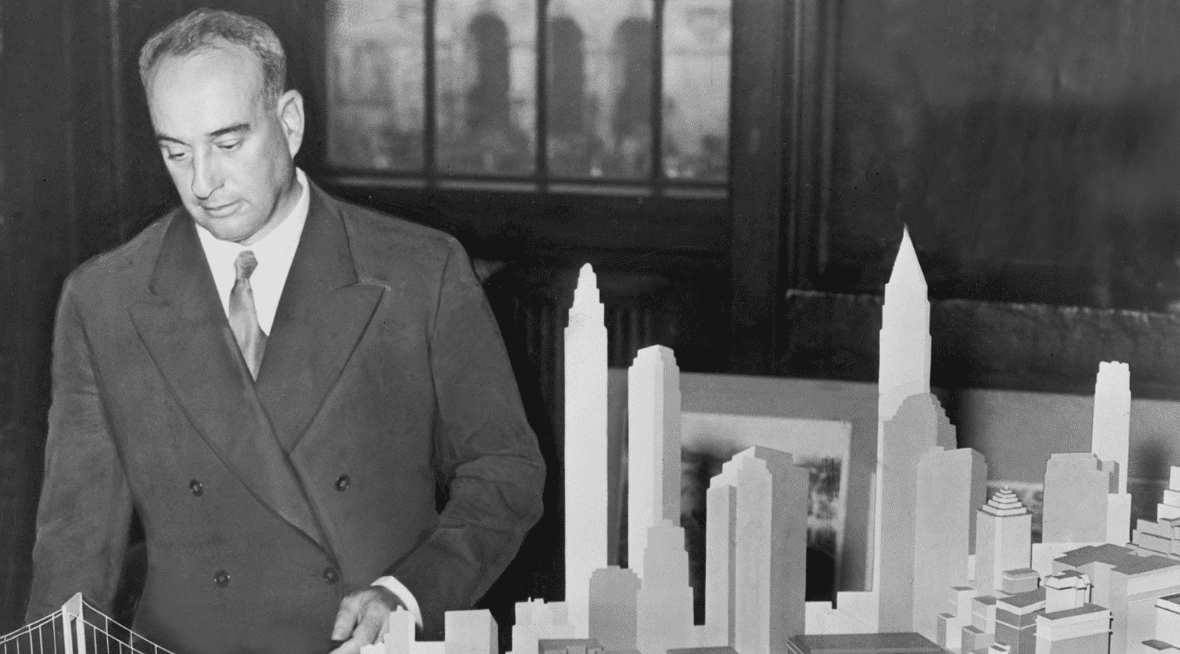

Robert Moses was quite a prominent figure in the development and formation of New York City in the mid-20th century. In addition, he was an influential official for over four decades. Moses held various positions in the New York government. He was the New York City Parks commissioner, the chairman of the Triborough Bridge Authority, the president of the New York World’s Fair and so on. Learn more at i-new-york.com.
The life path of Robert Moses
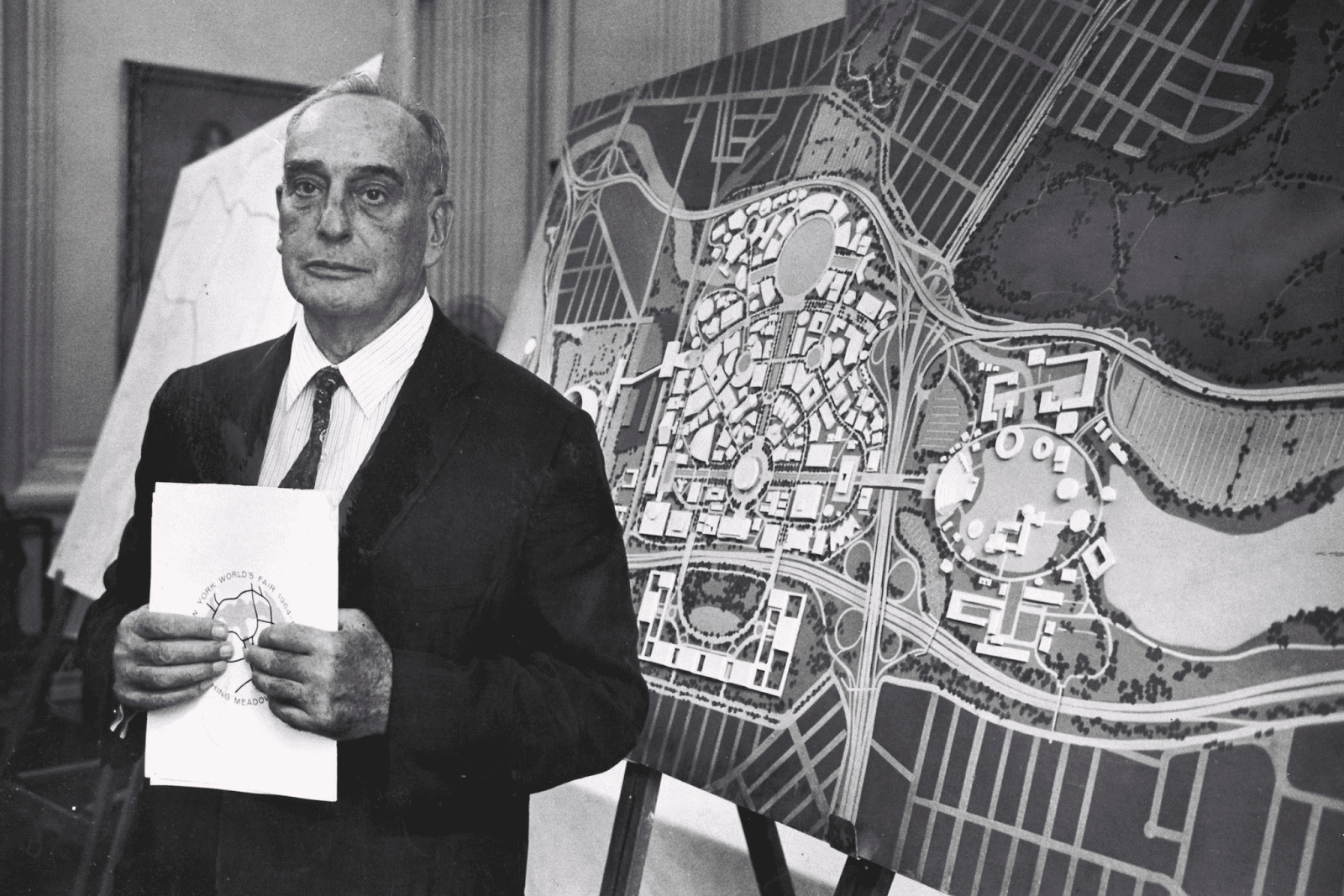
Moses was born and raised in New York. He attended about three schools there. He received a degree at Yale College and also at Wadham College in the field of jurisprudence. Moses also graduated from Columbia University and earned a doctorate in political science. He was a very educated person with a deep knowledge of all political processes. He was particularly fascinated by the reform process in the city of New York. He even developed several plans to rid New York of patronage practice. He was also one of the authors of a 1919 proposal to reorganize the New York state government. Unfortunately, none of his initiatives was implemented at that time. Moses did not give up and found a way to realize his ideas. For example, he attracted the attention of very powerful politicians and reformers with his ideas.
Later, he managed to get into mainstream politics. He began to actively introduce major public initiatives. In particular, he launched the creation of the brand-new Long Island State Park Commission and the State Council of Parks. Some time later, Moses was appointed by the State Governor to the position of chairman of this Council and president of the Commission. He received a set of tasks, which he performed at the highest level. Thus, he was involved in the development of Jones Beach Park. He became famous for his ability to elaborate clear, innovative and effective legislation.
However, Moses served the longest as the New York City Parks commissioner from 1934 to 1960. He did a lot for the development of the city, its architecture, infrastructure and much more.
Achievements of Moses and his criticism
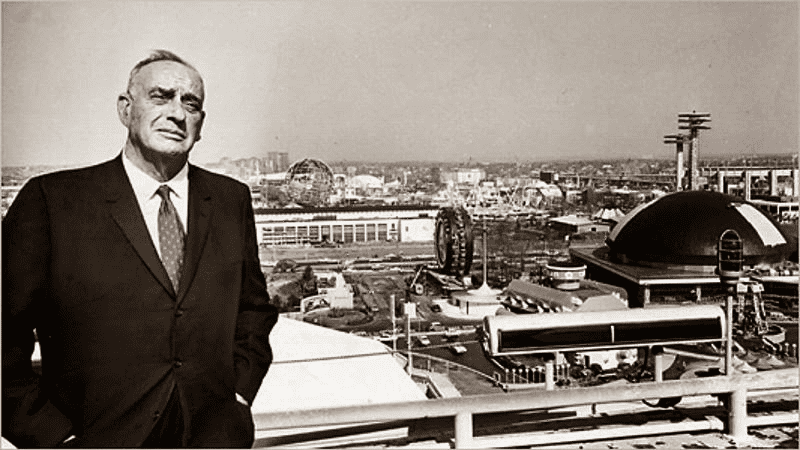
Moses played a significant role in the development of New York’s infrastructure. He served as an observer for the construction of numerous important city bridges, highways and other infrastructure facilities. But his name is better known for his active participation in the construction of the Triborough Bridge. It connected Manhattan, the Bronx and Queens and contributed to the growth of New York suburbs.
Moses was also responsible for the development of many public parks in the city. He believed that parks and recreational areas were essential to the well-being of New Yorkers. He worked tirelessly to expand and improve the urban park system.
Nevertheless, Moses’ legacy is quite controversial. His projects were often carried out at the expense of the city’s poorer social groups, particularly black people who lived in New York’s impoverished neighborhoods. He was accused of using his power to implement projects that resettled thousands of people and destroyed lively areas. Moses was criticized for the lack of transparency in his plans. The autocratic management style caused his name to be labeled as the master builder who pursued his own goals, regardless of public opinion or the democratic process.
Ultimately, Moses’ impact on New York was huge and his legacy continues to form the urban infrastructure and public space. While some consider him a far-sighted leader who transformed the city into a modern metropolis, others see him as a ruthless autocrat whose bequest was based on the destruction of entire urban communities and the relocation of thousands of people.