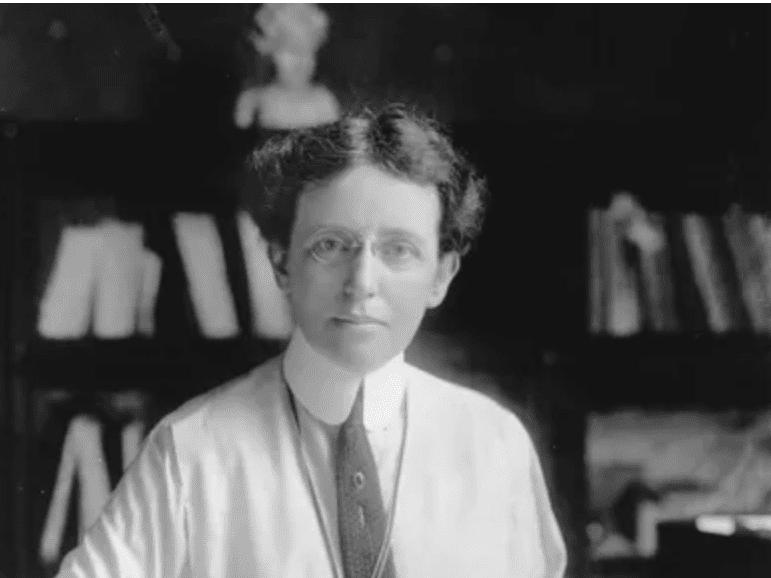

Dr. Sarah Josephine Baker is a well-known figure of the 19th and 20th centuries who worked in healthcare. Due to her aspiration, persistence and advanced knowledge of medicine, she became one of the most influential women in healthcare in the United States. Learn more at i-new-york.com.
The life path of Sarah
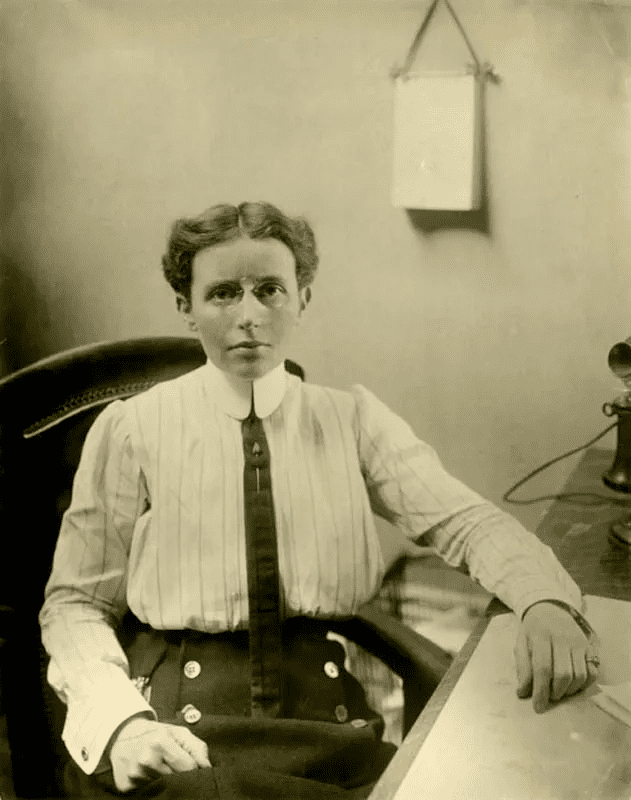
Sarah is a native of New York. She was born back in 1873. She grew up in a very large and poor family. Her parents had a modest fortune and it was barely enough to feed all the children. Despite her impoverished childhood and all the hardships she went through, Sarah managed to get rolling and reach heights in her life, especially in the medical career.
Her path to medicine began with obtaining a relevant education. Sarah first graduated from Hunter College, where she received a bachelor’s degree, and then she attended New York Medical College for women. She gained practical experience in the field of medicine after graduating from college. In particular, she interned at the New England Hospital for Women and Children.
Coming from a poor family, Sarah realized one important thing in college, poverty and health are inextricably linked. This understanding guided her throughout her life.
The first job of the doctor and first major career achievements
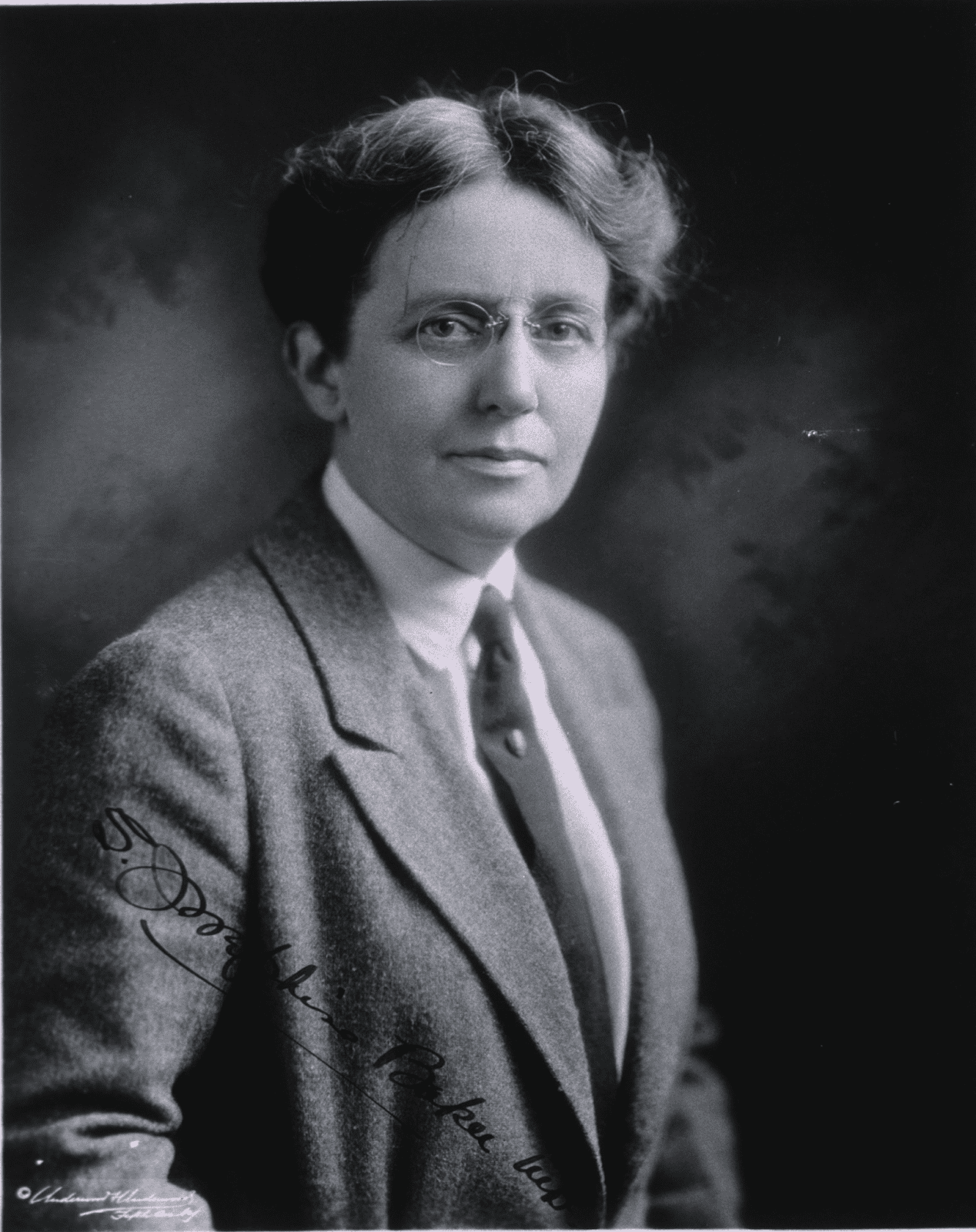
After successfully completing her residency, Sarah returned to her hometown of New York, where she opened her own medical practice. However, her income was minimal and sometimes she did not have enough for basic expenses. That is why she often took an extra job. In particular, Sarah worked part-time as a medical examiner for one of the local insurance companies and also as a city medical inspector. That was her first experience working in healthcare, which led to a collaboration with the New York City Department of Health. Since then, her medical career took off rapidly. Sarah had long held the position of assistant to the commissioner of health. She worked on many highly important healthcare issues, including the vaccination program of city residents against smallpox and other diseases. In addition, she actively studied hidden risks to human health. She also launched more advanced and extensive public health programs to improve hygiene standards for New Yorkers. Such progress of Sarah in medicine was due to her knowledge. In particular, as she understood the connection between illness and poverty. She knew that disease spread quickly because of poor living conditions. Sarah struggled to improve the health and living conditions of the most vulnerable population in New York.
Great achievements in the field of medicine, success and recognition among her colleagues led Sarah to the director position of the New York Bureau of Child Hygiene. The new appointment opened up new horizons for her. Sarah saw and knew how to change the lives of hundreds of children and families for the better. Thus, she presented a number of medical programs. She proposed to create school clinics, free milk stations and initiated the provision of maternity care services.
Owing to Sarah’s competent medical policy and modern approach to healthcare, in the early 20th century, in New York, infant mortality had been significantly reduced.
Sarah Baker contributed immensely to healthcare development in the United States. She devoted her whole life to medicine and its improvement. The heart of the prominent physician from New York stopped beating in 1945. She left a considerable mark on the world and her impact on public healthcare is felt even in the 21st century. Sarah was very forward-thinking, an exceptional leader and an advocate of the health and well-being of not only New Yorkers but all of America.