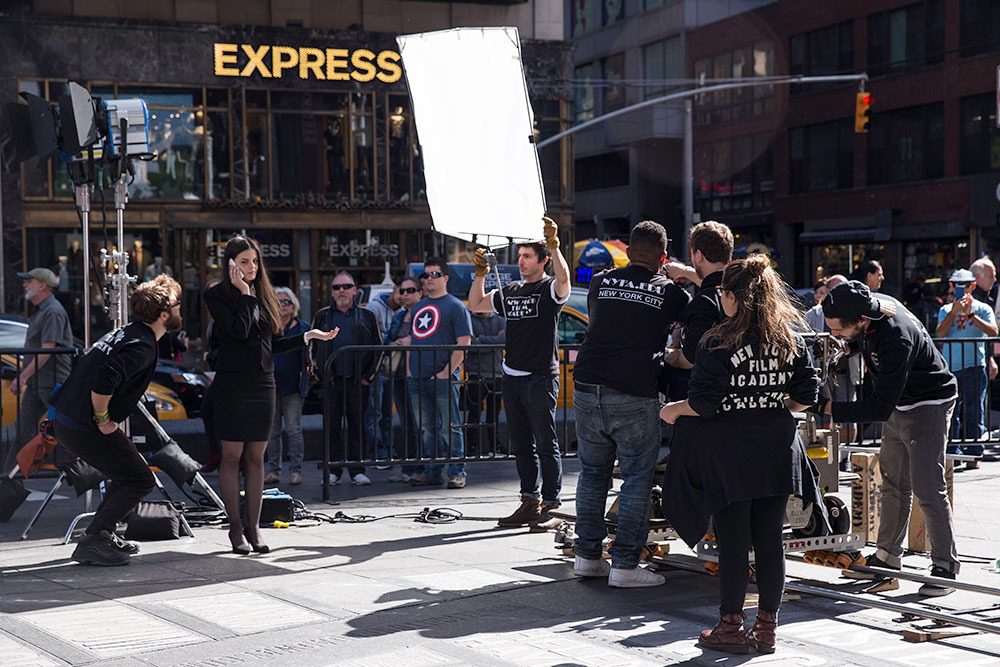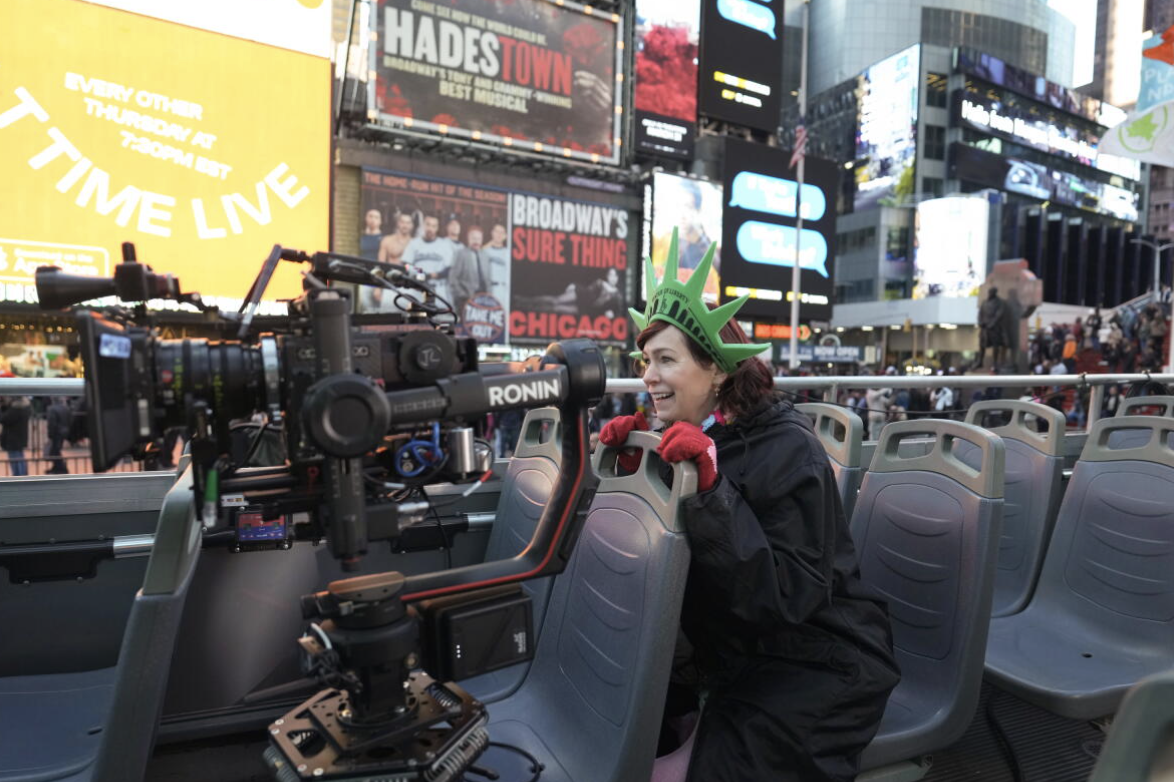

New York is a city that never sleeps, with life buzzing around the clock. It can be bright and gritty, dangerous and cozy, slow-paced and relentless. It is precisely this versatility, paired with a wealth of distinctive locations across its boroughs, that keeps drawing film crews back time and again. Iconic cinematic moments have unfolded on its streets, while its vibrant cultural scene has nurtured generations of actors, directors, and creatives. Over the decades, the metropolis has cultivated a singular atmosphere that leaps off the silver screen. In this article for i-new-york.com, we explore how New York’s legendary on-screen identity came to life.
From Early Motion Pictures to the Silver Screen: How New York Became the Cradle of the Film Industry
Despite the popular belief that American filmmaking has always revolved around Hollywood, New York was actually the true birthplace of the industry. For well over a century, the city has rivaled the West Coast, offering storytellers a uniquely creative energy. It all began in the late 19th century—the 1880s—when a team of inventors developed one of the earliest motion-picture cameras: the Kinetograph. Conceived by William Dickson and financed by Thomas Edison, the device marked the dawn of cinema in the United States. To put the invention into practice, Edison and Dickson built the nation’s first movie studio in 1893 on the grounds of their West Orange laboratory: the Black Maria. The tar-paper studio featured a retractable roof and a revolving base to track the sun. At first, the crew filmed short slices of daily life before turning their lens toward popular vaudeville acts.
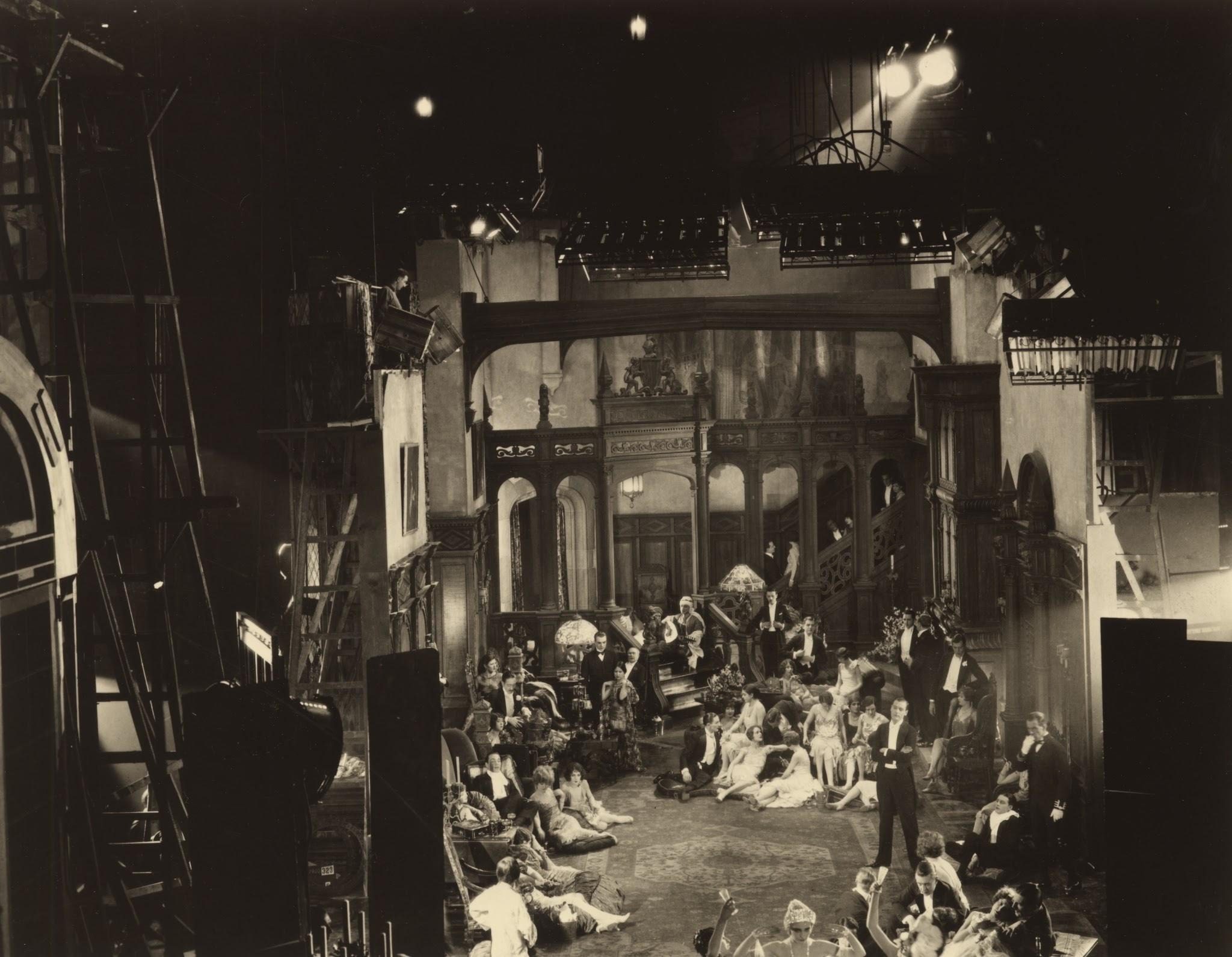
New York offered the perfect environment for the burgeoning medium, and studios soon began springing up across the city. Producers never had to worry about what to shoot or whom to cast: right in the heart of the metropolis thrived the Theater District. Film crews drew heavily from the directors, choreographers, and stage actors performing on Broadway. The early 20th century became a golden age for New York cinema, anchored by groundbreaking companies like the Biograph Company, Vitagraph Studios, and the Thanhouser Film Corporation. Some studios set up shop in the outer boroughs and suburbs to expand their facilities, while others stayed downtown, turning city sidewalks into open-air soundstages. It was during this era that filmmakers first fell in love with New York’s visual rhythm, combining raw urban authenticity with state-of-the-art production resources.
Everything changed in the late 1920s with the advent of synchronized sound. Most production shifted inside controlled soundstages, and many began to dismiss New York as too loud, gray, and chaotic. A fierce rivalry took shape between the East and West Coasts. While the industry’s commercial center of gravity moved to Hollywood, New York remained a haven for independent-minded artists drawn to its creative freedom and restless energy. During this era, the legendary Astoria Studios (now known as Kaufman Astoria Studios) opened its doors, sprawling across several city blocks in Queens under Paramount’s banner. At the time, however, shooting on location was bogged down by bureaucracy, requiring dozens of separate permits from various city departments. That bottleneck was finally broken in 1966 by Mayor John Lindsay, who replaced the red tape with a streamlined single-permit system. Lindsay recognized that welcoming film crews onto New York’s streets would ignite both economic and cultural growth—and his bet paid off, cementing the metropolis’s status as a premier film capital.
The Movies That Defined New York’s Cinematic Identity
New York became far more than a photogenic backdrop—it became an enduring muse. A powerful synergy formed between filmmakers and the city, yielding stories that mirrored each chapter of its complex history. While the 1960s reforms sparked a wave of on-location shooting, the economic crisis of the 1970s quickly steered the cinematic narrative toward urban decay and gritty street crime. Few films captured this turbulent era better than William Friedkin’s 1971 thriller The French Connection. The director didn’t need elaborate sets; the real city streets, the subway system, and the unvarnished grit of everyday life provided the perfect canvas. Rather than hiding the city’s muted, grimy tones, the film embraced them as a dramatic asset. And while The French Connection documented life on the edge, another masterpiece—The Godfather—pulled back the curtain on organized crime and dirty money. Together, they established a dark, magnetic vision of New York: intimidating in its decay, yet irresistible in its promise of high stakes and fast cash.
In time, New York emerged from its rough patch, and filmmakers began exploring brighter facets of the city. The late 1980s, and especially the 1990s and 2000s, reshaped the metropolis into the ultimate romantic playground. This era gave rise to the modern urban rom-com, where New York served as an indispensable third lead. Audiences found romance in ordinary moments: characters strolling through leafy brownstone neighborhoods, lingering in cozy coffee shops and historic libraries, bumping into each other on college campuses, or navigating everyday heartbreak. Classics like You’ve Got Mail, When Harry Met Sally…, How to Lose a Guy in 10 Days, and Autumn in New York painted a charming, inviting city where anyone could carve out a home and fall in love. On screen, New York became breathtaking in every season—a sentiment crowned by an entire subgenre of holiday classics that made audiences believe in holiday magic unfolding beneath the Manhattan snow.
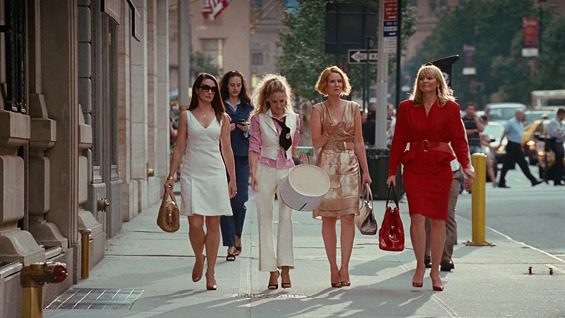
Year after year, New York continues to draw dreamers with its boundless ambition and aspirational lifestyle. Film and television played a defining role in cementing that allure, turning the city into a shorthand for career breakthroughs, refined taste, and fortunate twists of fate. Few shows embody this better than Sex and the City, which immersed viewers in a stylish chronicle of urban romance. As its protagonists drifted through trendy restaurants, luxury boutiques, and high-profile parties, the city acted as their most loyal companion through every triumph and heartbreak. Gossip Girl offered a similar glossy magnetism, seamlessly contrasting the lavish world of the Upper East Side with the bohemian vibe of Brooklyn. Meanwhile, films like The Devil Wears Prada and The Wolf of Wall Street became modern touchstones for corporate hustle and ruthless ambition. Yet New York refuses to be boxed into just crime, romance, or high fashion: across the cinematic spectrum, it serves equally well as a battleground for superheroes, a rich historic backdrop, or the epicenter of sci-fi catastrophes.
Streets as Soundstages: New York’s Most Iconic Film Locations
New York has rightfully earned its reputation as a living, breathing movie set: its avenues, skyline, and architectural landmarks are naturally cinematic. While Hollywood perfected the studio soundstage, New York provides filmmakers with genuine scale, grit, and spontaneous urban energy. Its landmarks are so ingrained in pop culture that other productions routinely reconstruct them on soundstages worldwide. Directors gravitate toward the city for its extraordinary versatility across genres, from nerve-shredding thrillers and horror films to lighthearted romantic comedies and superhero blockbusters. Quiet residential streets provide the perfect setting for neighborhood dramas, midtown thoroughfares capture the relentless hustle, and the nighttime skyline has long been the natural habitat of costumed vigilantes. Towering skyscrapers, sprawling parks, historic brownstones, and architectural treasures offer an infinite playground for visual storytelling.
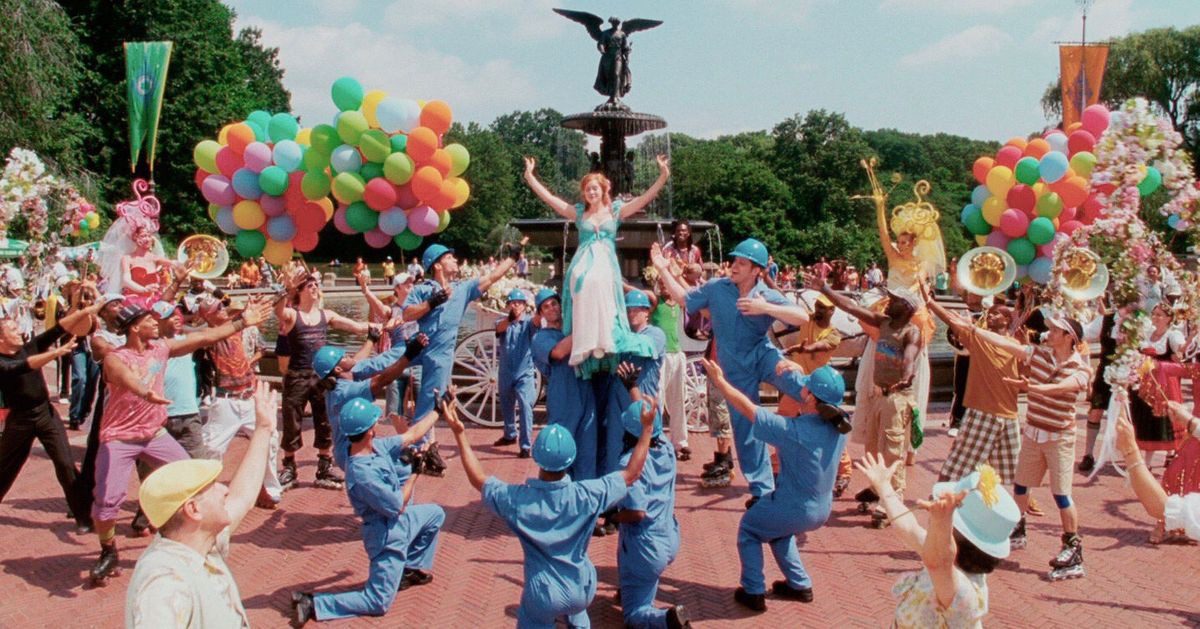
Central Park stands out as one of the most recognizable filming locations on Earth. It was here that Blair Waldorf fed the ducks in Gossip Girl, Nate Archibald went on morning runs with his father, Kevin McCallister met the pigeon lady in Home Alone 2: Lost in New York, and Peter Parker and Mary Jane faced a crossroads in Spider-Man 3. The park offers an endless array of visual moods. Wollman Rink has become a perennial fixture of holiday romances, the sprawling lawns set the scene for sunny leisure, and Bethesda Fountain serves as a majestic backdrop for everything from period pieces to musical numbers and action sequences. Meanwhile, Fifth Avenue captures the city’s dizzying momentum with its rushing stream of yellow cabs, bustling crowds, and legendary traffic jams. And then there is Times Square—the ultimate manifestation of the city that never sleeps. Cinema has also dared to reimagine it in startling ways, whether as an eerie, deserted void in Vanilla Sky or a weed-choked post-apocalyptic ruin in I Am Legend.
Beyond landmarks that serve as frequent backdrops, certain spots owe their worldwide fame directly to the stories filmed there. In the eyes of movie lovers, these addresses belong to the characters who walked them. The Plaza Hotel, where Kevin indulged in lavish room service, will forever evoke nostalgic holiday charm. At 66 Perry Street in Greenwich Village, admirers still stop to photograph the iconic stoop of Carrie Bradshaw’s apartment, while fans of Gossip Girl flock to the Lotte New York Palace Hotel, home to the Van der Woodsen family. Other pop-culture pilgrimage sites include Cafe Lalo on the Upper West Side from You’ve Got Mail, the St. James Theatre featured prominently in Birdman, and the Art Deco apartment tower at 55 Central Park West, famously dubbed “Spook Central” in Ghostbusters.
Beyond the Screen: How Film Shapes New York’s Culture and Economy
When Mayor John Lindsay opened New York’s doors to the film industry in the 1960s, he foresaw enormous potential—and the city is still reaping the rewards today. On-location productions remain a major engine of economic growth. Every time a film crew sets up in a neighborhood, it generates local jobs, supports neighborhood businesses, and shines an international spotlight on hidden gems. An unassuming café, a family-run bookstore, or a local museum can become an overnight sensation after appearing in a hit release. This dynamic has radically boosted the city’s tourism, drawing millions of travelers eager to step inside their favorite cinematic worlds. Alongside world-famous staples like Central Park and Times Square, lesser-known filming spots have become must-see destinations in their own right, turning location tours into one of New York’s most popular attractions.
While movies have undeniably molded the world’s perception of New York, the city’s influence on cinema is just as profound. The metropolis has long served as an incubator for world-class actors, screenwriters, directors, and production crews, giving local productions an unmistakable sense of authenticity. On screen, New York’s magic stems from a rare intersection of architectural grandeur, seasoned infrastructure, and raw creative ambition. Yet while audiences see these locations packaged into polished two-hour stories, New York continues to live its daily, chaotic reality: traffic jams, clamoring sidewalks, glowing neon storefronts, and striking neighborhood contrasts. It is precisely this unvarnished, pulsating vitality that keeps audiences worldwide hopelessly captivated.