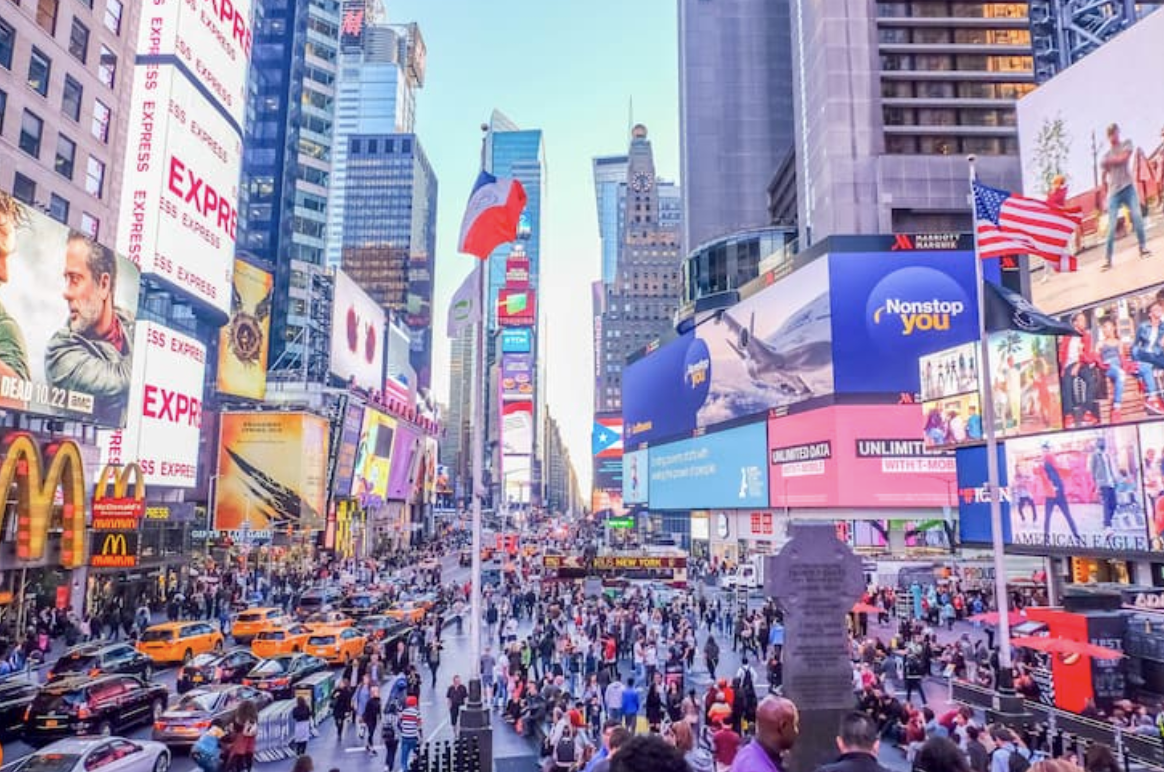

New York is one of the most culturally rich and diverse cities in the world. The development of its culture is an extremely interesting subject. It requires a deep immersion in its history and the study of many personalities who have evolved the city’s cultural environment over the years. Since the city’s inception as a Dutch colony to its global status as a modern metropolis, New York’s culture has been shaped by numerous factors, such as immigration influx, economic aspects, politics and art. Learn more at i-new-york.com.
Early New York City culture
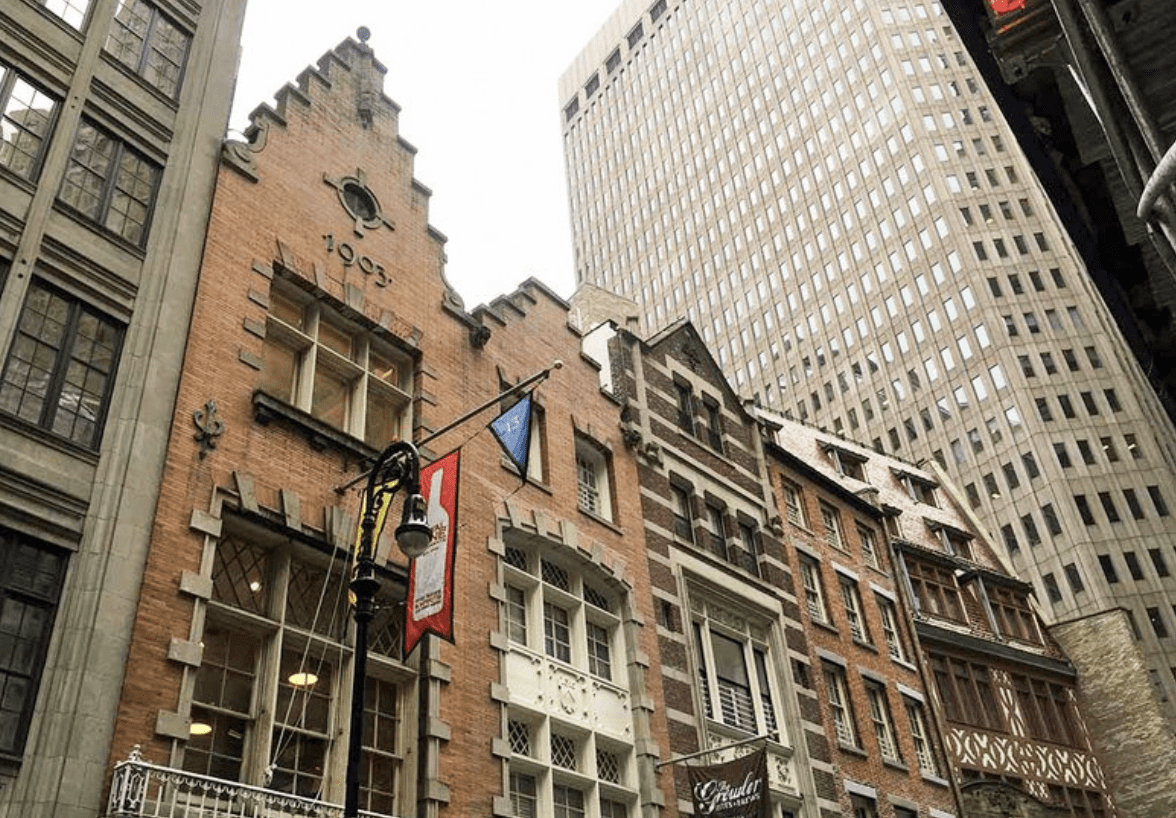
The origins of New York’s early culture trace back to the Dutch roots of the city. The Dutch founded New Amsterdam (the predecessor of New York) in 1626, which quite quickly became a thriving trading center. The Dutch brought all their customs and traditions, including their language, cuisine and architecture to the new settlement. Some of these earliest-period influences can even be seen in the city in the 21st century. In particular, elements of Dutch culture are traced in row houses in the Dutch style. You can find them in such places as Brooklyn, Harlem and the Bronx. In addition, even the names of neighborhoods and some streets are derived from Dutch words.
Formation of New York’s culture with the help of immigrants
However, New York’s culture itself began to develop only in the 19th century. Then the city became a real center of immigration. Millions of people from around the world traveled to New York in search of a better life. Together they brought their unique traditions and cultural characteristics to the city. The immigration of people to New York caused the creation of separate ethnic enclaves throughout the city, such as Little Italy, Chinatown and the Lower East Side.
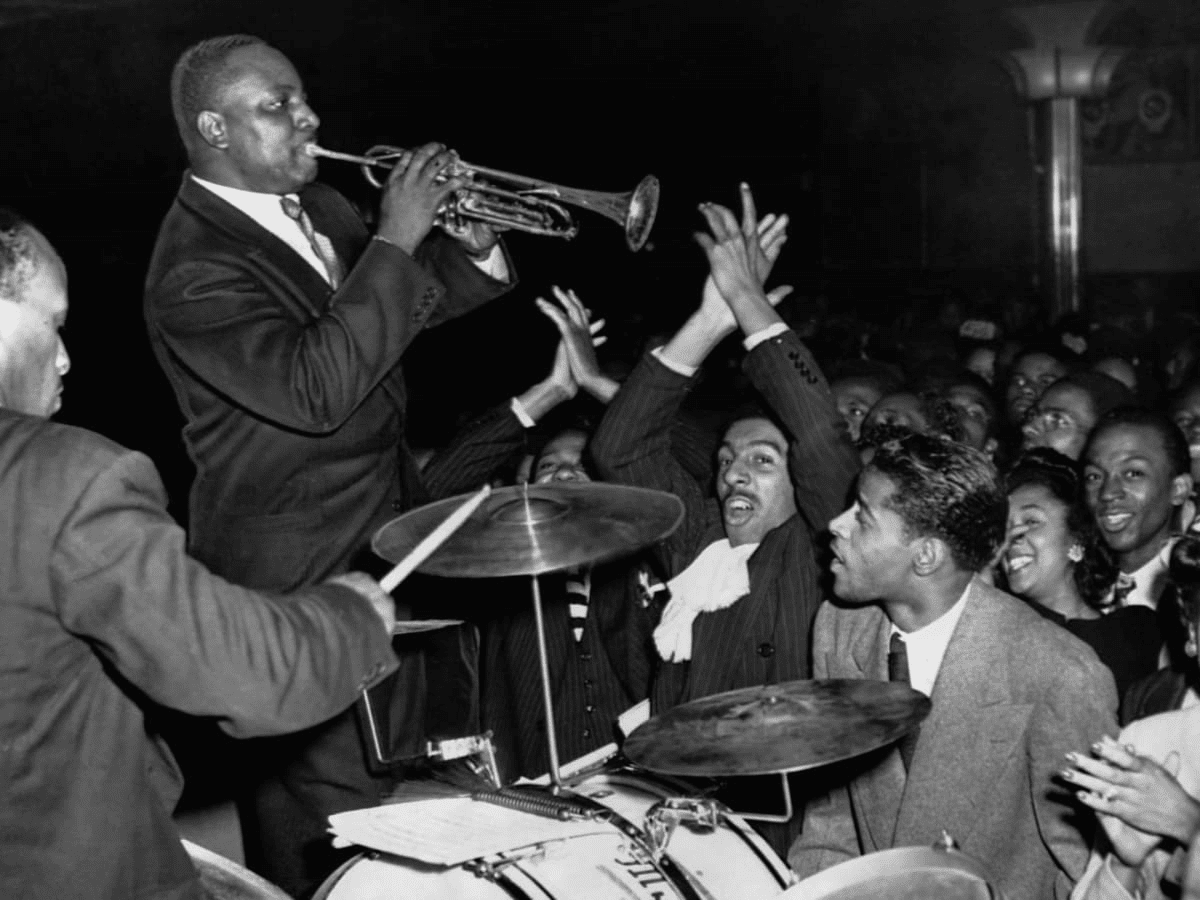
Whole immigrant communities in different areas of New York helped to create the city’s food, music, art and fashion over the years. For example, Italian immigrants brought pizza and pasta to New York, which quickly became a popular food in the whole city. Jewish immigrants imported bagels, salmon and pastrami, which are now staples of New York cuisine. The African-American and Latin-American communities have contributed greatly to the evolution of music and dance in New York. In particular, they added to New York culture their unique styles of music and dance, like jazz, salsa and hip-hop, which represent the city’s nightlife and entertainment.
Economic and political aspects of the evolution of New York culture
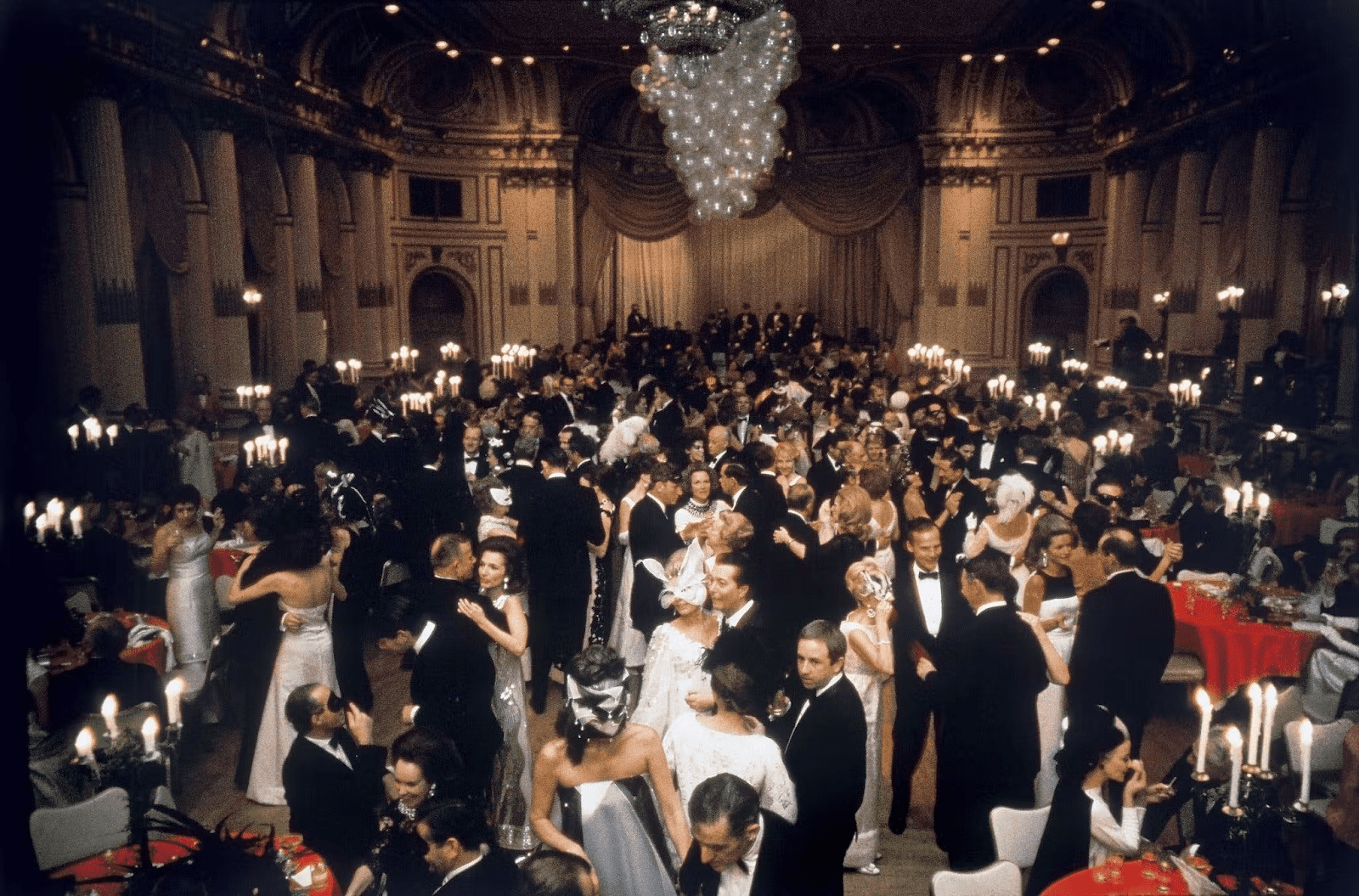
Economic and political aspects played an important role in shaping the city’s culture. New York City has always been a center of commerce and industry, its wealth and power have attracted the world’s most powerful people. This produced the development of a refined high society known for its opulent lifestyle and social events. There were also important moves relating to the civil rights battle. Such a movement has also left a substantial mark in the history of the development and formation of New York culture.
Still, the most crucial aspect that established New York culture is art. At different times, New York was the second home to most of the world’s influential artists, writers, musicians and actors. It was they who helped shape the city’s cultural identity, from the Harlem Renaissance of the 1920s to the Beat Generation of the 1950s and also punk and hip-hop of the 1970s and 1980s. New York has always been the heart of creativity.
The culture of New York was formed by several factors, including immigration, economics, politics and art. Its unique blend of cultures and traditions created a vibrant and diverse city that has left an unforgettable imprint on the world. From its Dutch origins to the modern status as a global metropolis, New York’s culture continues to evolve and inspire people from around the world.