
The Cold War, which lasted from 1947 to 1991, was quite a challenging time for residents of New York and other American cities. Many New Yorkers, in particular, lived under continual stress and expectation of nuclear war. As a result, numerous bunkers began to form around the city, where residents could shelter if the USSR launched an attack. One of the largest bunkers of the time was presented in 1964 at the Queens World’s Fair. Learn more at i-new-york.com.
A little bit of history. The arms race, or why did New York need bunkers?
In simple terms, the Cold War was not just an armed conflict, it was a struggle between two superpowers, also known as proxy wars. It was based on the ideological and geopolitical struggle for global influence between two countries, the USSR and the United States, following their temporary alliance and triumph over Nazi Germany in 1945. In particular, this conflict included an arms race, comprising the development of nuclear capabilities, propaganda campaigns, espionage, embargoes and severe hostility in sports and technology initiatives, such as the space industry.
When the struggle between the USSR and the United States escalated dramatically in the mid-20th century, the Cuban Missile Crisis erupted, and Americans were highly worried about the outbreak of nuclear war. As a result, there was a need to build shelters for residents of American cities, particularly citizens of New York.
The 1964 World’s Fair
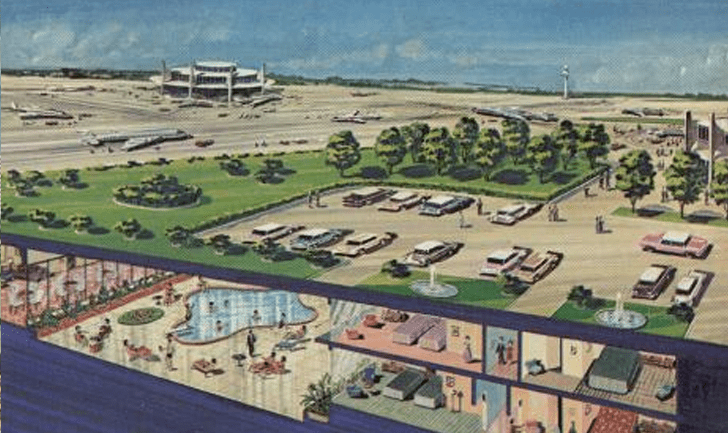
The 1964 World’s Fair, commonly known as The New York World’s Fair, was a great international exhibition that drew millions of people from all over the world. The event, hosted at Flushing Meadows-Corona Park in Queens, gave citizens of New York and other cities a chance to see the country’s technical breakthroughs and discoveries. During the challenging Cold War years, this event gave New Yorkers a glimpse of the future. After all, in the midst of ongoing tension between the USSR and the US, space exploration, technological achievements and scientific discoveries were continually at the center of public attention.
This display featured a technological marvel – a bunker capable of saving people from nuclear war. Against this global backdrop, the New York bunker has become a true architectural marvel, showcasing the cutting-edge technology of the 1960s.
The bunker in Queens, New York
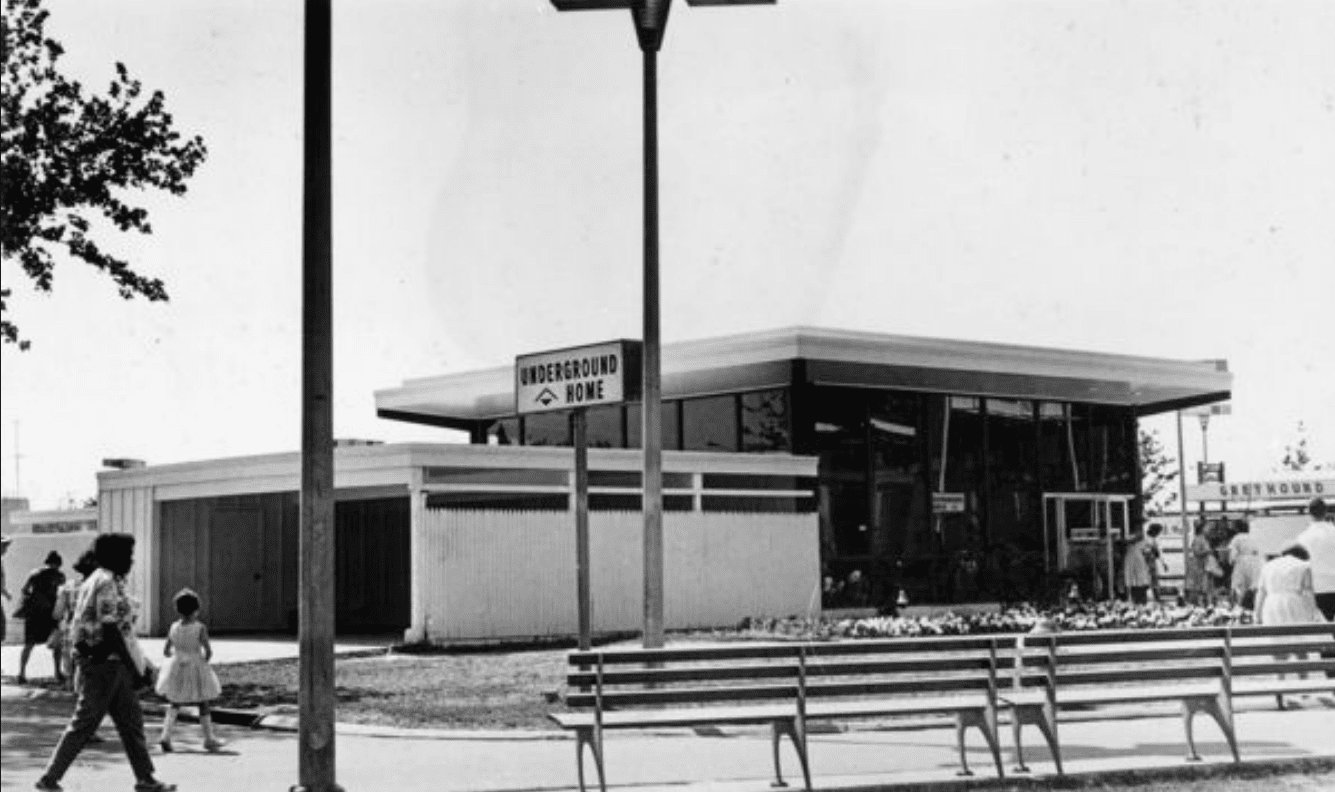
The Queen’s bunker was erected specifically for the World’s Fair in 1964 at the expense of New York businessman Girard B. Henderson and investor company Avon.
The bunker was designed by architect Jay Swayze, an enthusiast of the underground lifestyle. He personally resided in a bunker in Texas known as Atomitat. This bunker was rather luxurious, and it was designed to be a safe and secure place to live, not just during a nuclear attack.
This massive underground building was a true technological marvel because it could not only save from a nuclear attack but was also outfitted with cutting-edge technologies of the time. This bunker became a great representation of New Yorkers’ positive spirit at that point in time.
Сharacteristics of the bunker
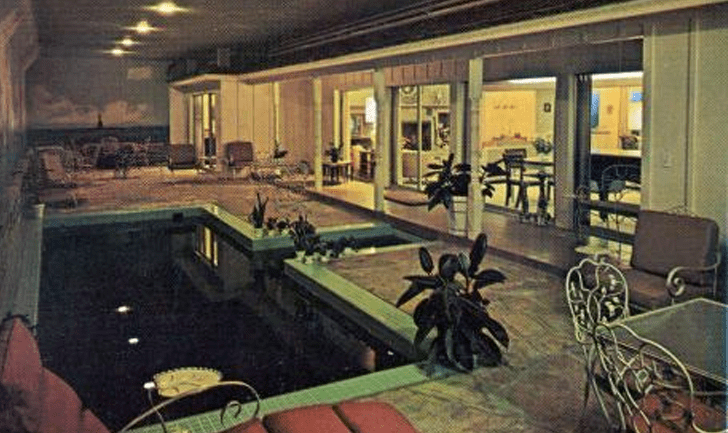
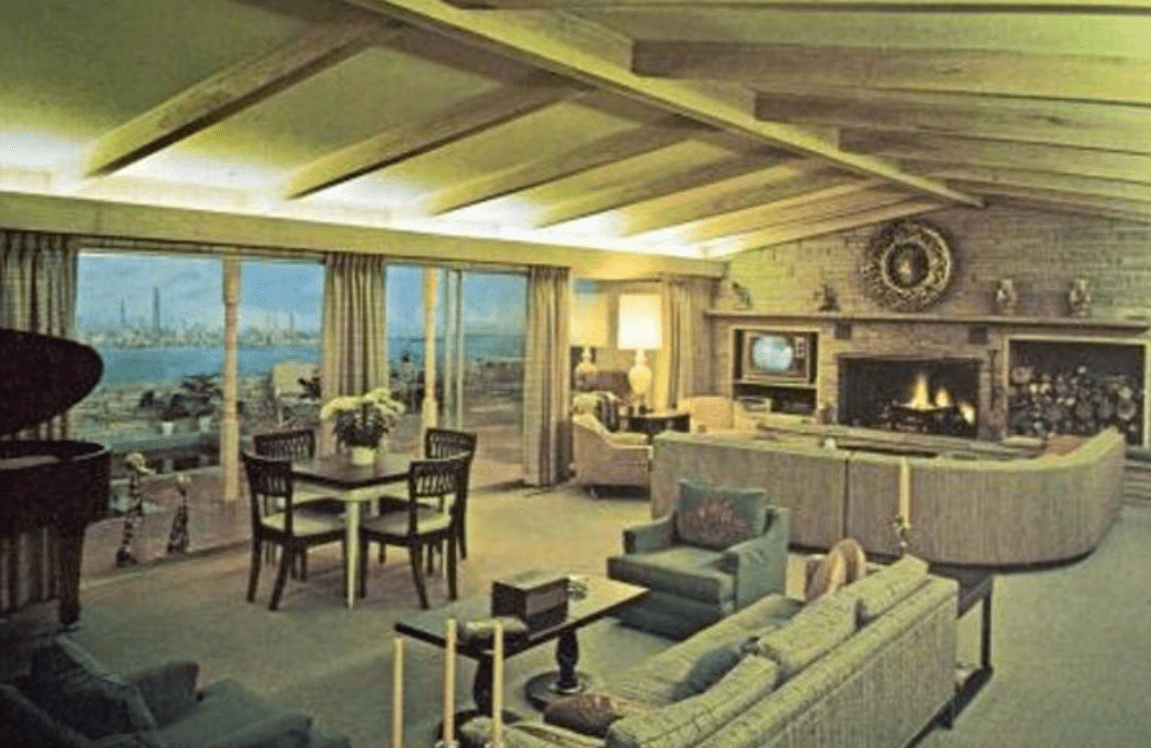
The bunker had a total area of 560 square meters. It featured ten rooms and was outfitted with cutting-edge technology for a long and comfortable stay in the case of a nuclear attack. The bunker, in particular, had air conditioning and backlit murals that gave an illusion of outdoor lighting. The underground dwelling also had ventilation, which provided fresh air. There was also no dust inside the bunker thanks to this system.
The bunker’s walls were 51 cm thick and built of steel and concrete. The underground house’s roof was supported by steel beams with diameters of 46 centimeters and was designed to withstand a load of 910,000 kg of soil.
In total, the bunker included three bedrooms, a lobby, a kitchen-dining area, a living room, an office, a gallery and a terrace that simulated an open space.
A utopian concept or a method of saving the population?
The enormous New York City bunker was a true underground utopia, an autonomous home of the future where people might live and not even come to the surface in the case of a nuclear attack. It was a daring concept that represented how people’s lives could be saved while also reflecting the fear of the era.
The building of the bunker for the fair cost more than a million dollars. After the end of the exhibition, due to the high cost of removing the house, it was simply buried underground.
The bunker, displayed at the 1964 World’s Fair in New York, was one of the largest in history. At that time, it was a symbol of hope, progress, innovation and security for residents of New York and other cities in the United States. Its design, integrated cutting-edge technologies and other innovations have affected the future of architecture and urban planning. The New York bunker displayed at the exhibition in 1964 was utopian, but it gave some city residents hope for salvation and safety in the case of a nuclear strike by the USSR.