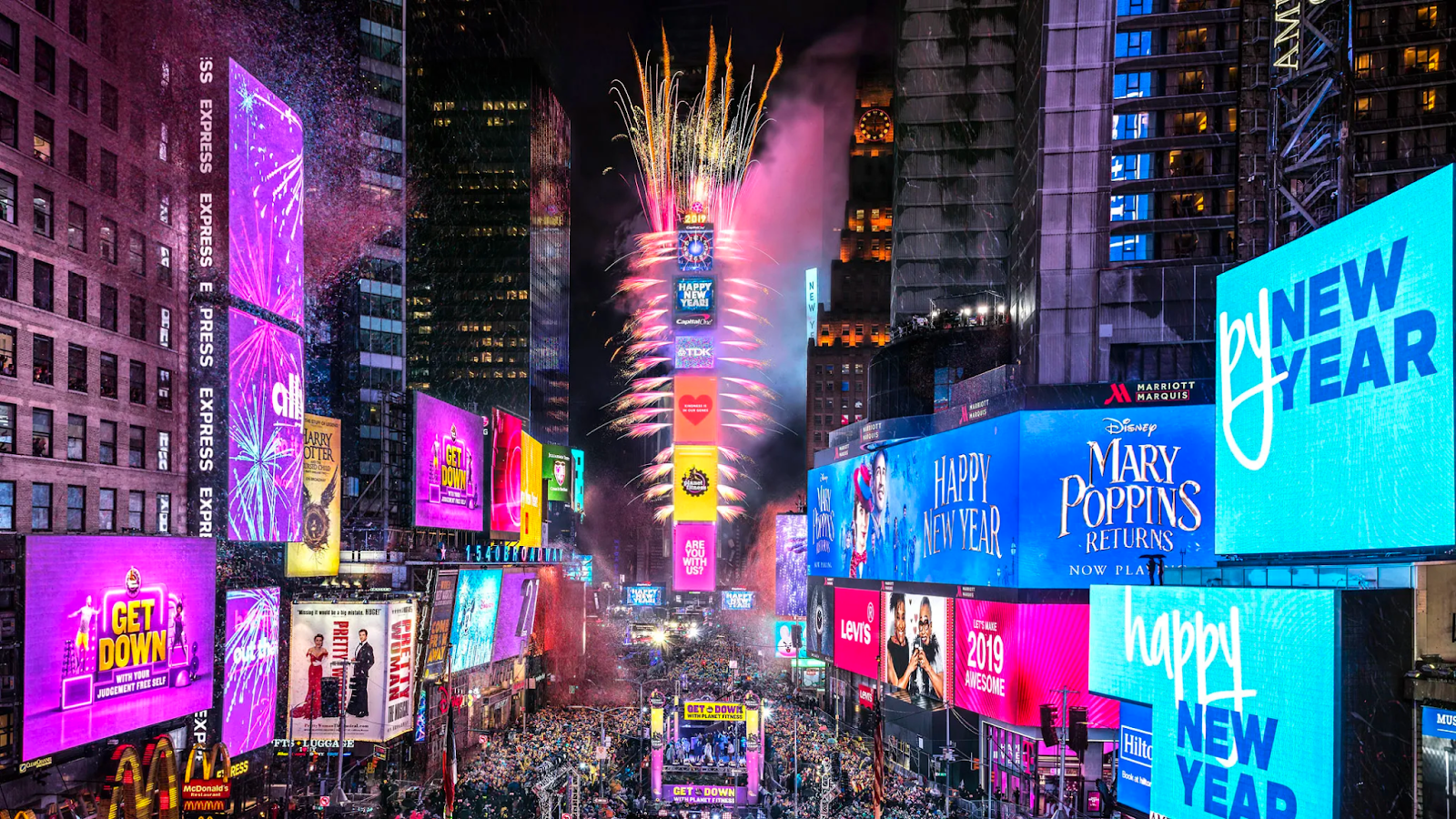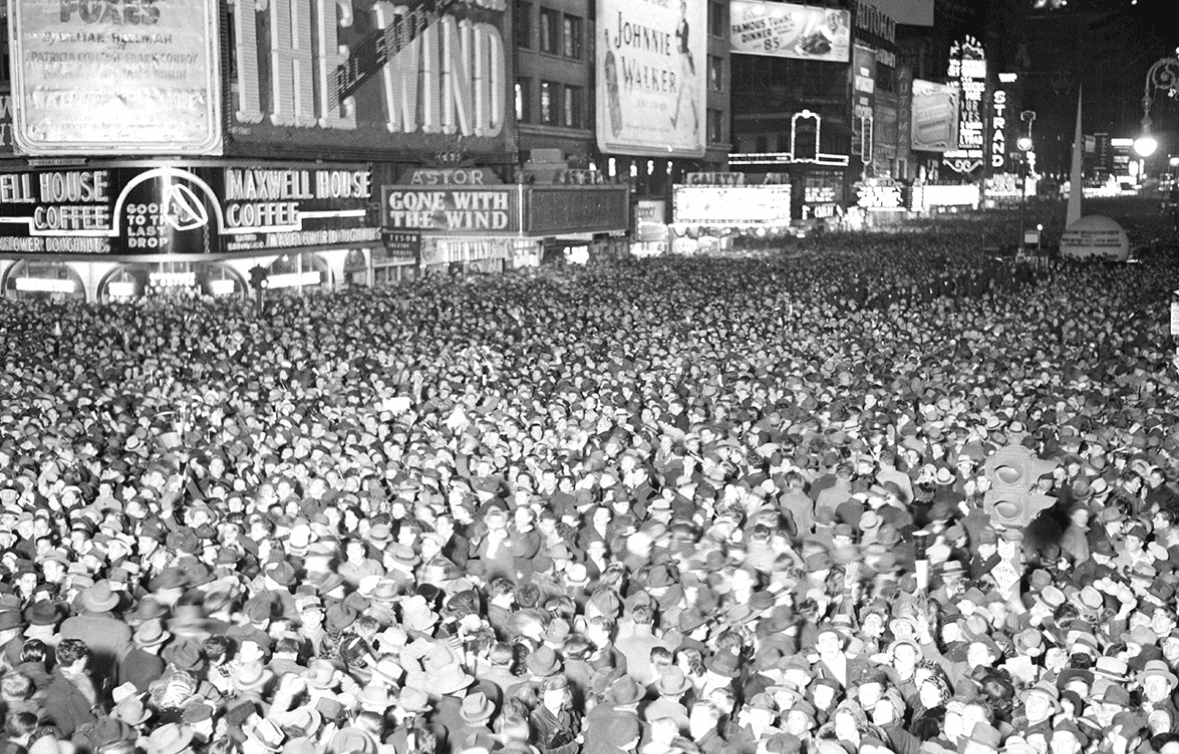

New Year is a holiday that has been celebrated by people around the world for centuries. In the twenty-first century, New Yorkers associate this event with the annual New Year’s Eve festival in Times Square, as well as the celebration near the Christmas tree at Rockefeller Center and other locations. But do you know how our ancestors celebrated the New Year, and what the customs of celebration were before? Find out at i-new-york.com.
New Amsterdam, the historical birthplace of New Year’s celebrations
The history of celebrating the New Year in New York dates back centuries, to the days when the city was known as New Amsterdam. In particular, when Dutch emigrants and other settlers arrived in New Amsterdam in the 17th century, they took their culture, traditions, customs and religion with them. Specifically, they introduced the tradition of celebrating the New Year.
The Dutch celebrated the holiday with family gatherings, festivities and visits to one another. They also believed that the first person to enter the house after midnight would bring good fortune in the coming year. This custom persisted in New York until the end of the nineteenth century. Residents of the city opened their doors wide. On this day, old friendships were rekindled and family quarrels were quietly resolved. Even strangers with unappealing appearances were warmly welcomed by New Yorkers.
However, it should be emphasized that the British made a significant contribution to the tradition of celebrating the new year throughout the 18th century. In particular, when New York was under British rule, New Year’s celebrations became more varied. Quiet and modest home gatherings turned into masquerade balls and lavish banquets. Such a way of celebrating New Year’s Eve was especially popular among the city’s elite. From then on, New York became known as a city of grandiose parties.
How has the culture of celebrating the New Year in New York changed?
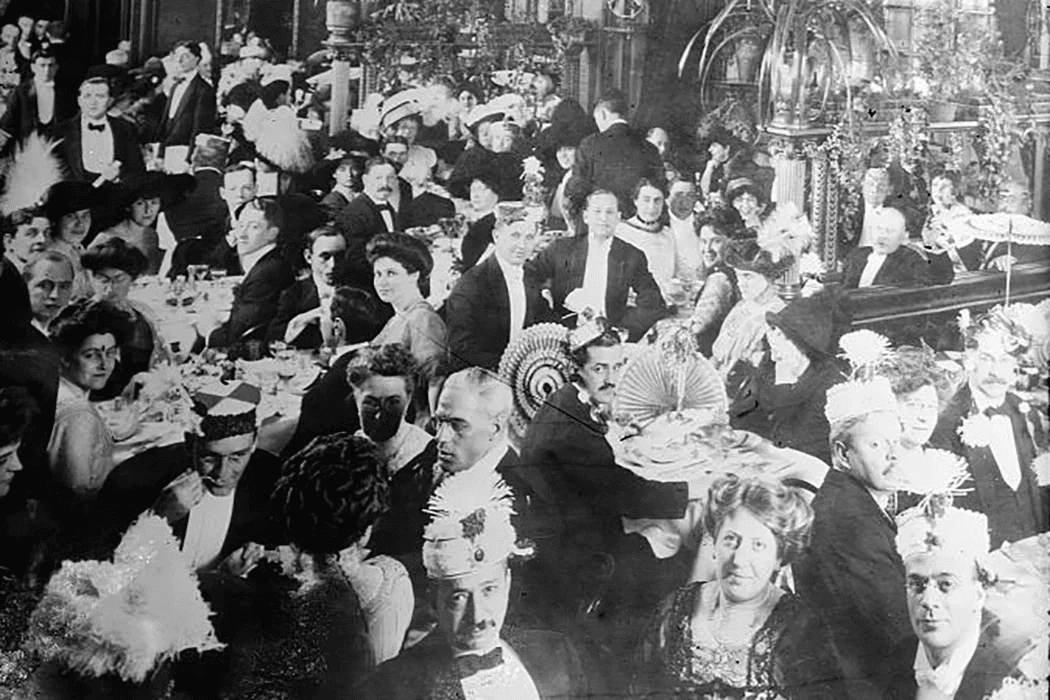
If the New Year in New York was celebrated both with loud parties and in a small family circle in the 17th and 18th centuries, the 19th century brought significant changes. Changes in the culture of New Year’s celebrations in New York, in particular, were prompted by a large inflow of immigrants to the city. Each ethnic community added its own values, culture and traditions to the New Year’s celebration.
However, in the early twentieth century, there was a huge shift in the culture of New Year’s celebrations in New York City. It was a true era of luxury and wealth, which was directly reflected in the grandeur of the New Year’s celebration. The most opulent metropolitan hotels began to host yearly New Year’s Eve celebrations. Among them was the Waldorf Astoria. Jazz music, various underground establishments and flapper culture all emerged during this time period, definitely contributing to New York’s culture of celebrating the beginning of a new year.
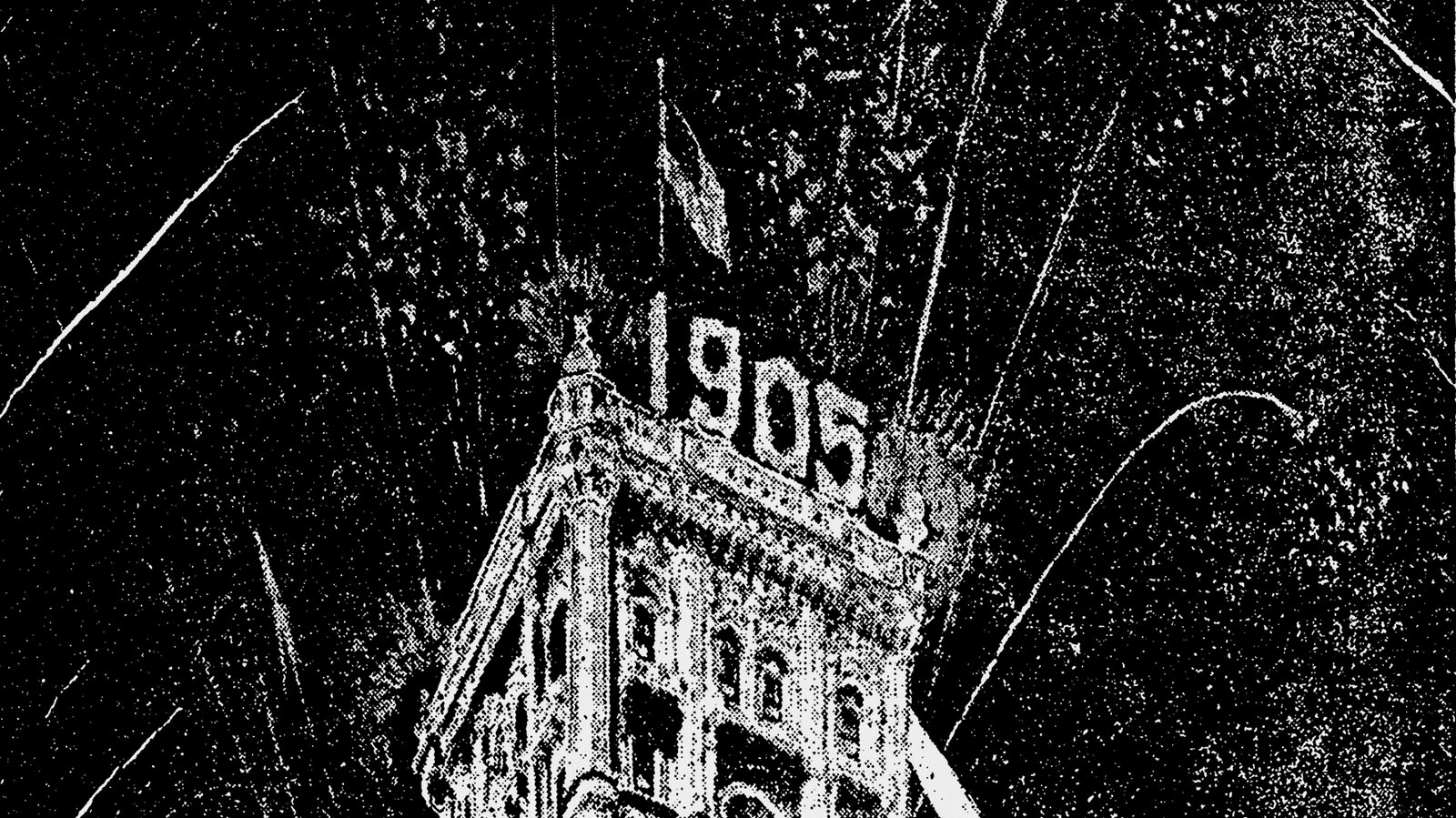
During this time, New York’s iconic Times Square became the epicenter of New Year’s Eve celebrations. In particular, since 1904, an epic festival known as the Times Square Ball has been held there. Around 200 thousand individuals attended the first New Year’s Eve festival. In the twenty-first century, the event is regarded as one of the most popular. Every New Year’s Eve, almost a million people visit Times Square.
Impact of the economic crisis and war on New Year’s Eve celebrations in New York
The culture of celebrating the New Year was also influenced by the Great Depression and World War II. Around this period, the era of noisy parties, extravagant balls and mass festivities began to decline. During the Great Depression and World War II, New Yorkers opted for a more modest celebration with their families, and during the war, the emphasis shifted to supporting soldiers and their families. The New Year became a day of reflection and hope for a better future, rather than just a holiday.
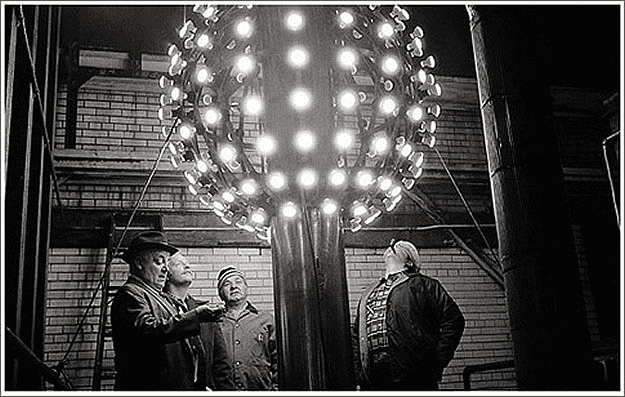
With the end of World War II, New York entered a period of unprecedented growth and prosperity. The New Year was once again celebrated in public. The Ball Drop in Times Square has become a hugely popular event. The appearance of television heightened the significance of the New Year’s celebration. It allowed millions of New Yorkers to witness the events taking place on the main street of the city from the comfort of their own homes.
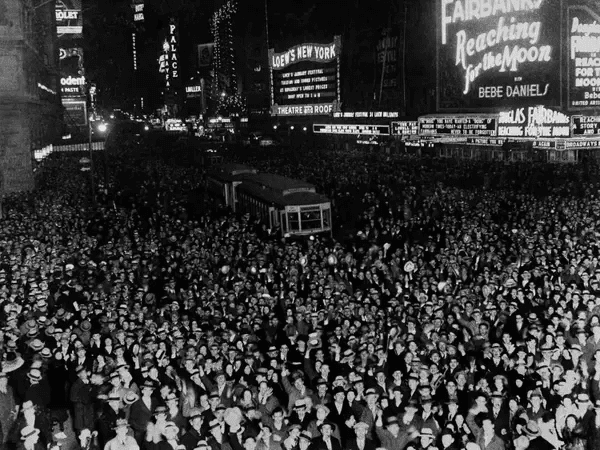
New Year’s Eve celebrations in New York City and the Times Square Ball Drop have become synonymous in the twenty-first century. Every year, thousands of people from all over the world gather in the heart of Manhattan. Despite the bitter cold, people flock to see the spectacular display. The event is the culmination of a multi-year planning process that involves complex lighting decorations, musical performances and a well-known countdown.
In addition to the Times Square Festival, New Yorkers celebrate the New Year in a variety of ways. Of course, there is a common tradition among the residents of celebrating the New Year at home in a private family circle, like the Dutch did. Some New Yorkers, on the other hand, prefer to spend New Year’s Eve at a rooftop party with city views, at special events in Central Park or watching fireworks over the Statue of Liberty.
Furthermore, we must remember that New York is a multicultural metropolis. Here, many New Year’s customs from different cultures have blended together. On New Year’s Eve, you can visit Chinatown to view traditional Chinese lion dances or Little India to see Diwali-style lights. On the eve of the New Year in the twenty-first century, all parts of the city come to life and display a diversity of New Year traditions from various peoples.