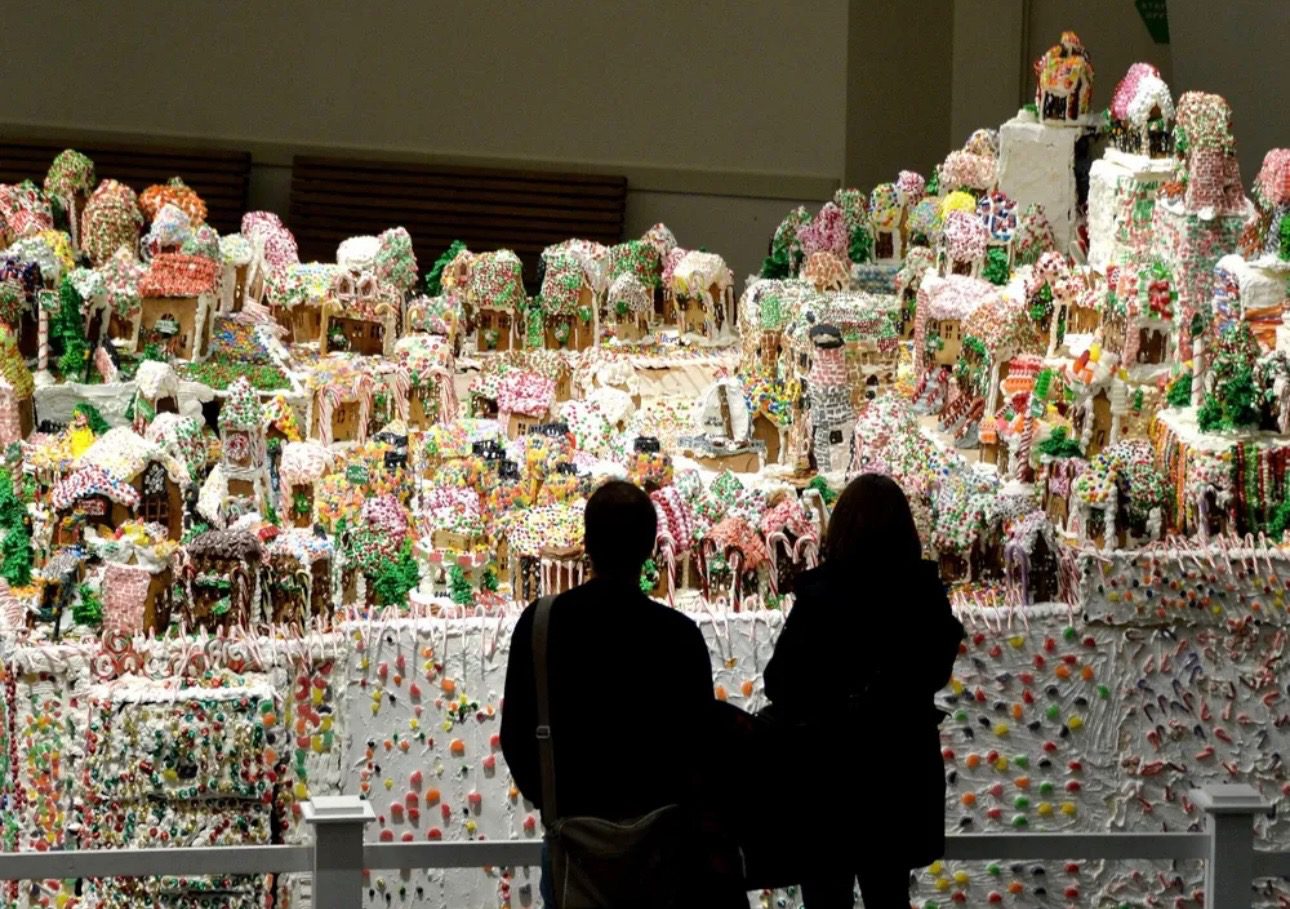

This American chef and pastry decorator from New York is famous as the creator of incredible gingerbread villages. Lovitch works on the sweet village year-round, personally baking, assembling, and decorating every element, striving to convey an atmosphere of celebration and unity. After the exhibition, he annually gives away pieces of the gingerbread city to visitors for free. John started baking as a teenager and calls his creation “a little world where it’s always Christmas.” Read on i-new-york.com for the continuation of this festive, sweet story.
A Childhood Fascination
The story of John Lovitch began with the aroma of cinnamon and ginger filling his parents’ kitchen in Kansas City during the winter of 1994. The boy came from a simple family—his father was a truck driver, and his mother was a saleswoman. As a teenager, he attempted to create his first gingerbread house. This process captivated him so much that within a few weeks, he had fourteen of them displayed in a local hotel window. When John saw people stop, smile, and take photos, his future passion was born: to create magic with his own hands.
Traveling across the country for his job as a chef—from Washington to Pittsburgh—Lovitch always found time for his sweet hobby. His GingerBread Lane grew bigger, more complex, and increasingly resembled a real town with each passing year. New York City eventually became his home and main stage. It is here that his exhibition transformed into an annual winter tradition that attracts thousands of visitors.

Lovitch graduated from the Culinary Institute of America and worked for over 25 years in prestigious restaurants, including the legendary Plaza and Algonquin in New York, as well as the Hay-Adams hotel across from the White House. But in 2015, he took a decisive step: he left the restaurant business to fully dedicate himself to his dream—creating fairy-tale figures out of dough, sugar, and love.
His own gingerbread land grew from a few dozen small houses into a colossal work of art. John proved that you can build your own sweet empire even from the most ordinary setting. And today, his gingerbread streets have become a place where Christmas never ends.

A Sweet Holiday Record
In 2013, a real Christmas miracle took place in the halls of the New York Hall of Science, transporting even the most serious adults back to childhood. Amidst the scent of cinnamon, sugar glaze, and the warm light of garlands, an incredible village emerged: GingerBread Lane, created by the hands of Chef John Lovitch.
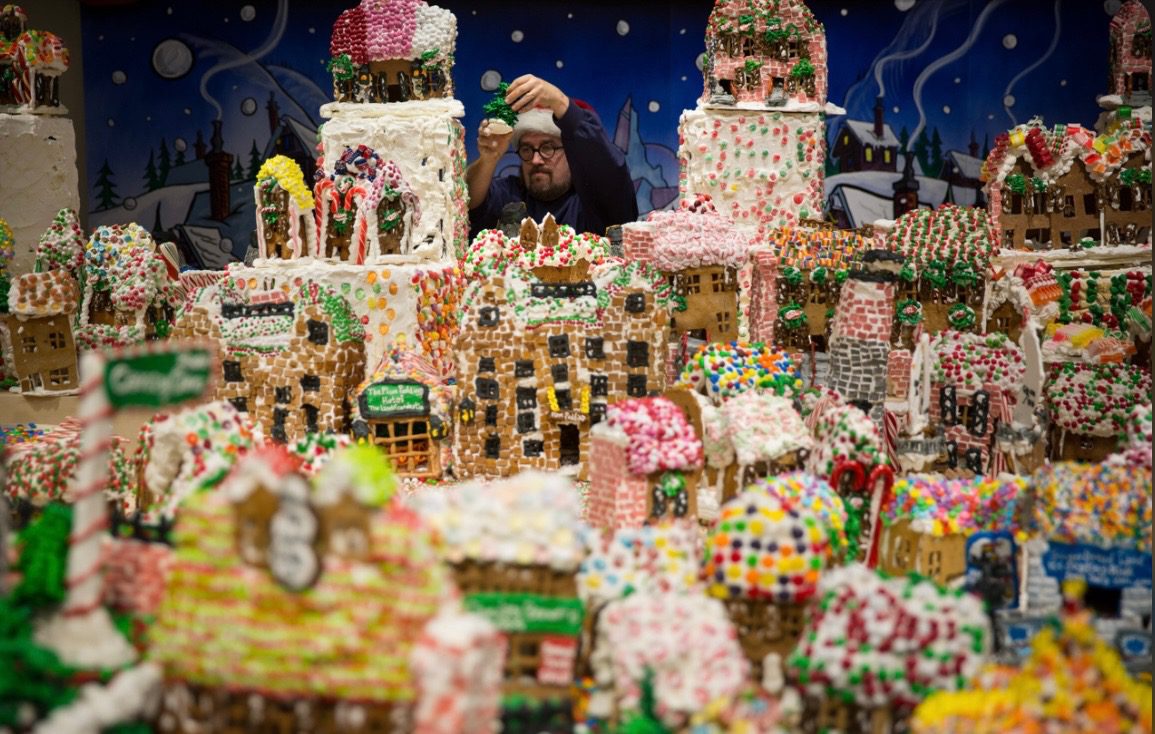
His creation weighed one and a half tons, spanned over 300 square feet, and consisted of 135 residential and 22 commercial buildings. The streets of this sweet city featured coffee shops, bakeries, workshops, trees, signs, and even five two-foot-tall nutcrackers, seemingly guarding its peace. Everything—from the roof to the smallest piece of candy—was handmade and exclusively from edible materials.
“I’m a chef and a food purist,” Lovitch explains. “I don’t use anything artificial. No glue, no Styrofoam, no cardboard. It would be easier, but then it would lose its soul.”
This uncompromising honesty toward his craft is what made GingerBread Lane unique. For Lovitch, it was not just art, but an expression of his philosophy: to create beauty that can not only be seen but tasted.
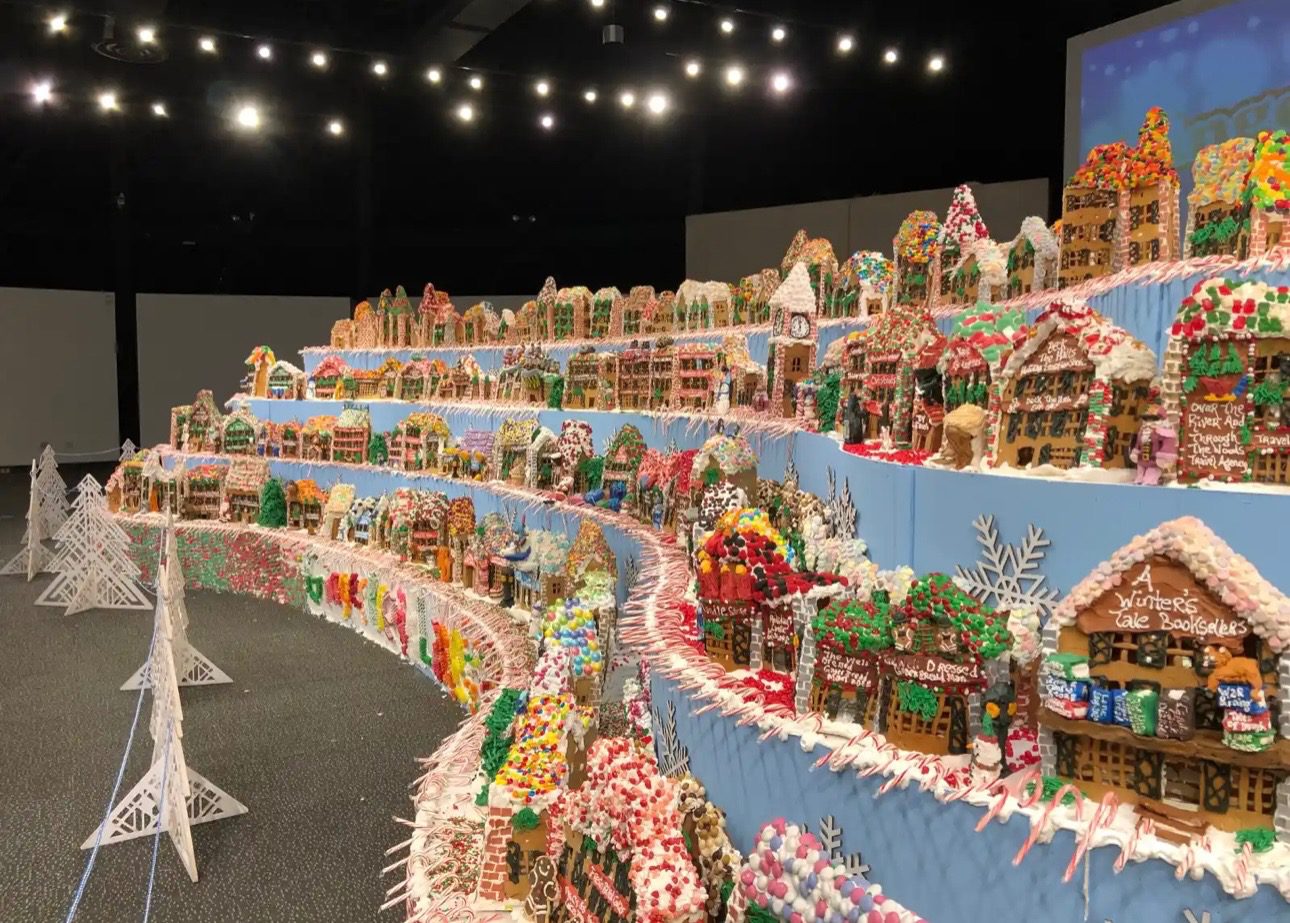
On November 22, 2013, his work received official recognition. The Guinness Book of World Recordsnamed GingerBread Lane the world’s largest gingerbread village. But for John, this was just the beginning. Every year, he returned to his oven, adding new blocks, streets, and details. Eventually, his sweet metropolis grew to 1,251 buildings, transforming into a true architecture of taste, patience, and festive belief in miracles.
GingerBread Lane is a living history, where every piece of dough has its own character, every roof its own aroma, and every street a piece of human warmth. And it’s all created by two hands, with endless love for art that smells of childhood and Christmas.
How John Lovitch Creates His World from Dough and Sugar
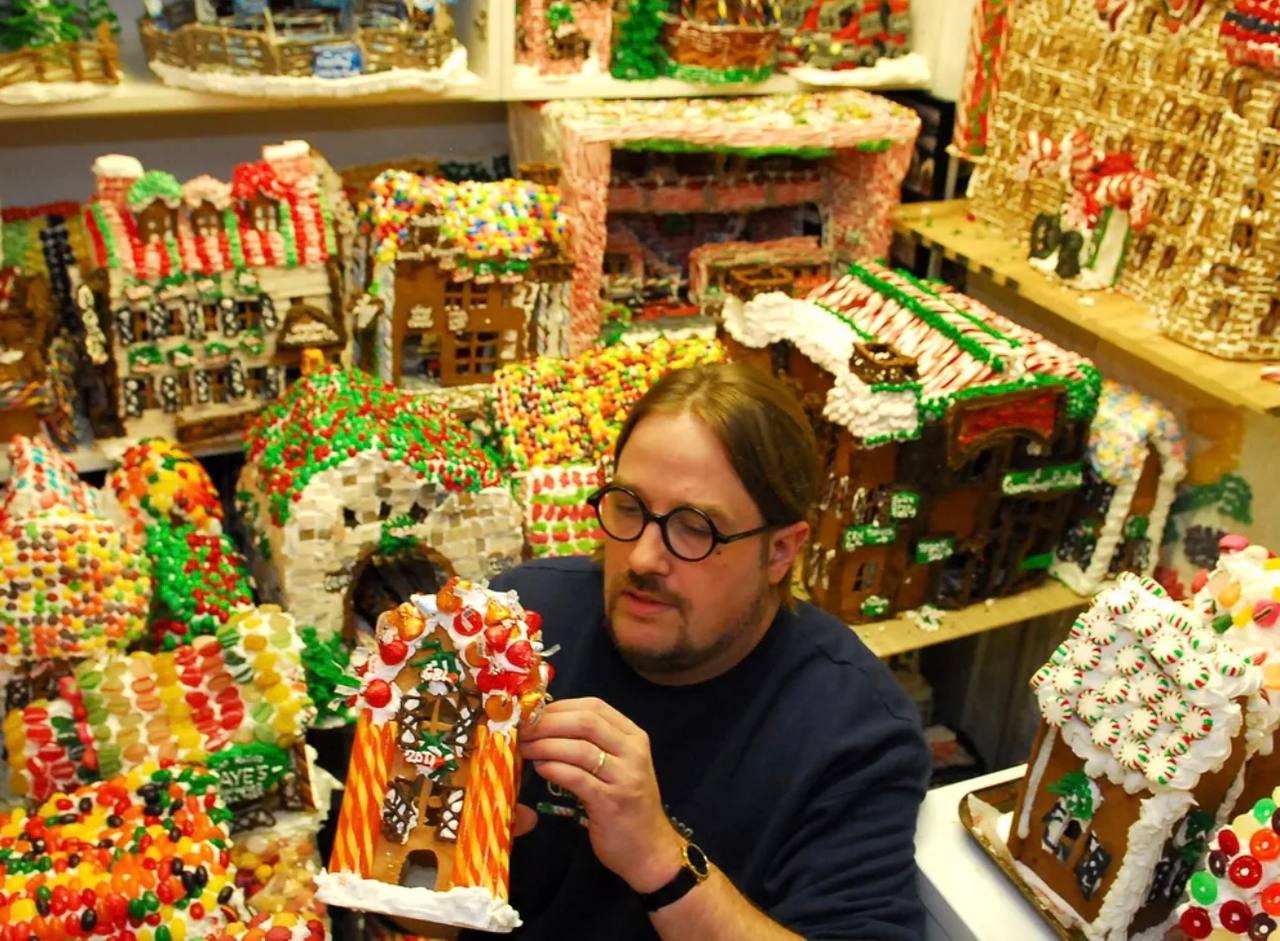
John Lovitch’s apartment smells like Christmas all year long. His basement studio in Queens resembles Santa’s workshop—walls and shelves are lined with gingerbread houses, jars of candy sit on the floor, and the air is thick with the scent of cinnamon, vanilla, and icing.
“I only work with three ingredients: gingerbread, icing, and candy,” Lovitch says. “And that is enough to create an entire world.”
His kitchen is now a laboratory of fantasy, where entire blocks of sweet architecture are born. Lovitch bakes hundreds of pounds of dough every year. He starts working on the new GingerBread Lane in the winter, immediately after dismantling the previous exhibition. In the summer, John bakes the foundation; in the fall, he decorates each house; and at the end of the year, he manually assembles the entire village at the exhibition site.
His working hours often reach up to 100 hours a week, especially before the exhibition opens. Lovitch meticulously attends to details: houses made with “bricks” of coffee chew candies from Japan, windows made of caramel, and roofs laid with jelly candies—every element looks realistic but remains edible.
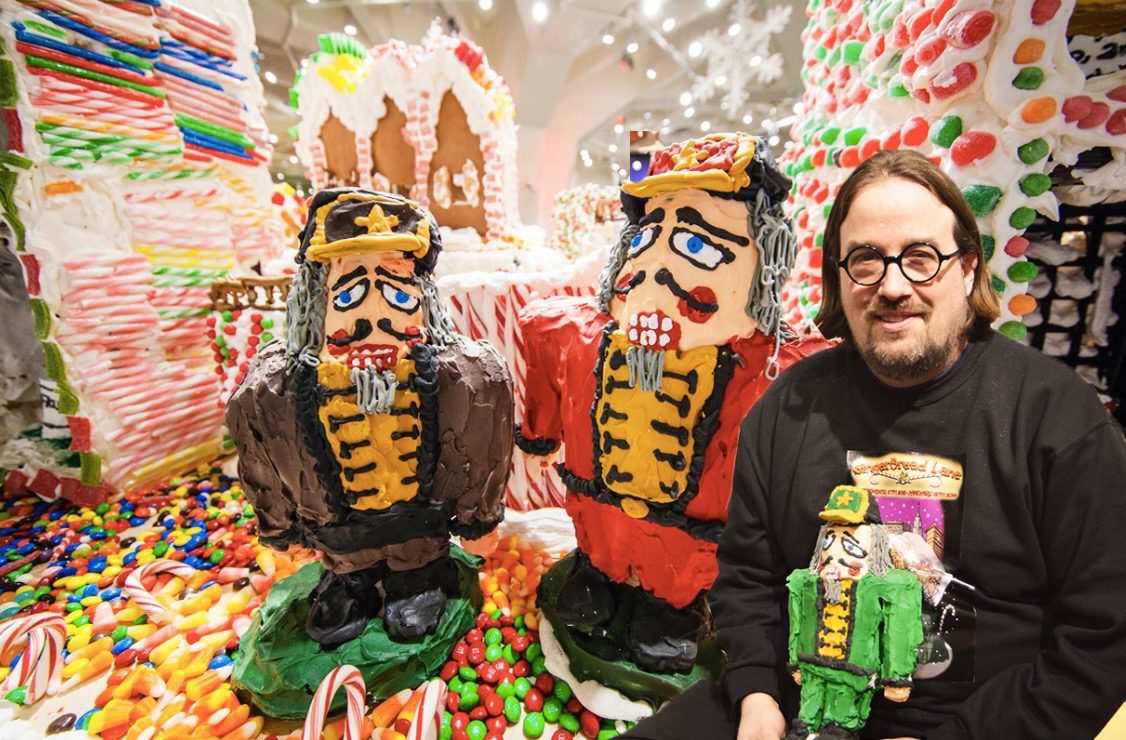
This whole world is filled with small New York details—a newsstand, a subway car, an ice rink hinting at Rockefeller Center, and even blocks resembling Forest Hills, where the confectioner lives.
To preserve the gingerbread structures, John keeps dehumidifiers in his home, and the icing is made from egg whites and sugar—serving as a kind of cement that strengthens over time. After every holiday, Lovitch buys up candy at sales—sometimes 300 bags of M&M’s at once.
His partner, Judy Zelcer, helps him with the project. Together, they search for the right sweets, plan new details, and prepare hundreds of pounds of materials.
“We gather ideas throughout the year,” Lovitch says. “Sometimes inspiration comes from a walk through New York: old gas lamps, signs, facades—all of that later becomes part of my gingerbread city.”
Despite the incredible labor, Lovitch is tireless. He creates his villages for people—for those who come every year to smell childhood, see the Christmas miracle, and believe in a fairy tale made of dough.
“Every time I see visitors smile,” he says, “I realize it’s worth every sleepless night.”
The John Lovitch Tradition
For John Lovitch, building GingerBread Lane is an annual ritual that lasts all year. As soon as the last holiday garland disappears, he starts planning a new village—sketching streets, inventing store names, and stocking up on hundreds of pounds of flour, sugar, and spices.
His sweet exhibitions travel across America—from New York to Boston, from Washington to Baltimore, Orlando, Kansas City, and even Rockefeller Center. Every year, Lovitch opens a new chapter of his gingerbread history, adding new themes, scents, and images.
Each season is an entirely new city. Alongside the familiar buildings—like the “Pumpkin Spice Latte Coffee Shop,” “Cecil’s Pie Bakery,” or the “Santa’s Sleigh Repair Company”—new streets, plazas, and characters appear. They are all born from John’s imagination, generously seasoned with warmth and nostalgia.
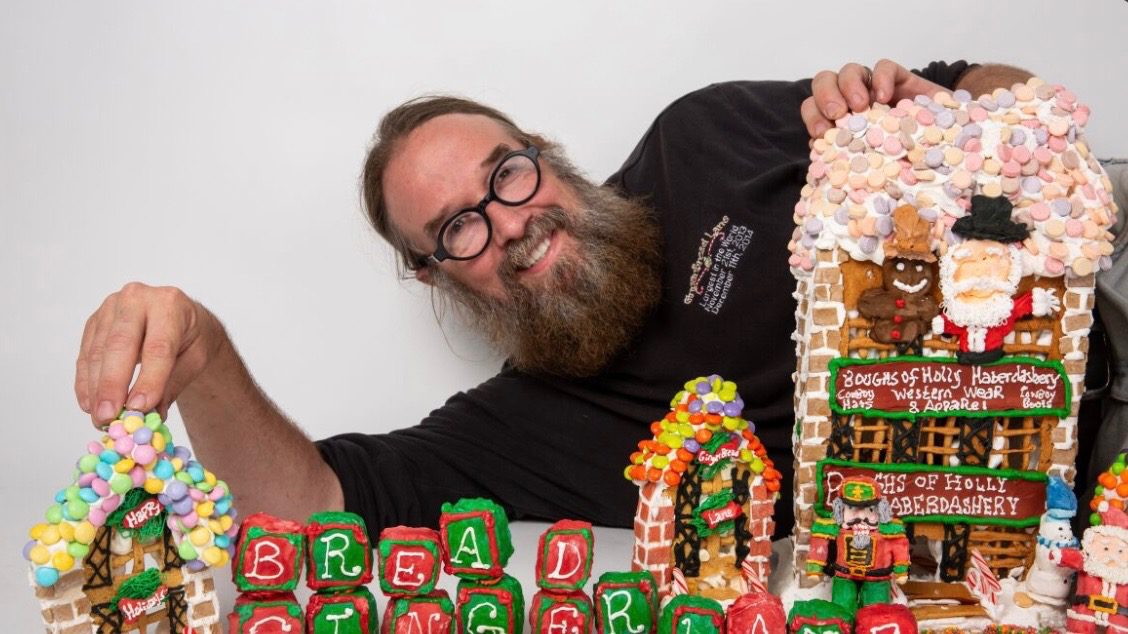
GingerBread Lane is not a commercial project. Tickets to the wonder are not sold in this city—it is simply given to the people.
But even the sweetest fairy tale has an end. Every year on January 10, John disassembles his city, and visitors can take a piece of the magic home—for free. For Lovitch, this day is always special—a little sad, but bright in its own way.
“When you give away every house, you realize you’ll never see it again,” he says. “But that is the magic of Christmas: a brief, fleeting moment of joy.”
Thus, GingerBread Lane is reborn every year—out of flour, sugar, and love. It vanishes in the sweet aroma of the holidays, only to return the following December—even bigger, warmer, and more magical.