

Pilgrim Psychiatric Center is a living monument to the evolution of American psychiatry. Since opening its doors in 1931, it has transformed from the world’s largest asylum for the mentally ill into a modern center for treatment and education. Its history is a complex web of grandiose ambitions, medical experiments, human tragedies, and, ultimately, a shift toward humane, evidence-based medicine. In this article on i-new-york.com, you’ll learn about the controversial treatments of the past, overgrown cemeteries marked by numbers, and the prestigious clinical psychology program that is training a new generation of specialists today.
A City Within a City: The Birth of a Giant
In the early 20th century, New York’s psychiatric hospitals were plagued by catastrophic overcrowding. In 1927, Governor Alfred E. Smith secured funding to build new facilities to relieve the strain on city asylums. Brentwood, a rural area on Long Island where land was significantly cheaper, was chosen as the site.

Named after Dr. Charles W. Pilgrim, a former New York State Commissioner of Mental Health, the hospital opened on October 1, 1931. The sheer scale of the facility was staggering. It was a true, fully self-sufficient city:
- Its own power plant and water supply system.
- Fire and police stations, a post office, courts, and a church.
- Its own working farm, greenhouses, and even a piggery.
- A dedicated Long Island Rail Road station for easy access.
Within just nine months of opening, the hospital housed over 2,000 patients. At its peak in 1954, Pilgrim reached a staggering 13,875 patients, making it the largest psychiatric hospital in the world.
The Dark Era: Lobotomies and Shock Therapy
Behind the facade of this massive and seemingly progressive institution lay the harsh reality of medicine at the time. Severe overcrowding and an acute lack of effective psychiatric drugs forced doctors to resort to radical methods to control patient behavior.
During the 1940s and 1950s, Pilgrim actively utilized the following procedures:
- Insulin shock therapy (introduced in 1936).
- Electroconvulsive therapy (ECT) (starting in 1940).
- Prefrontal lobotomies (beginning in 1946).
Lobotomies mark one of the darkest chapters in the center’s history. It is estimated that around 2,000 of these operations were performed here. Among the patients who underwent the procedure at Pilgrim in 1947 was Naomi Ginsberg, the mother of renowned American poet Allen Ginsberg. Her tragic fate inspired his famous poem, “Kaddish.”
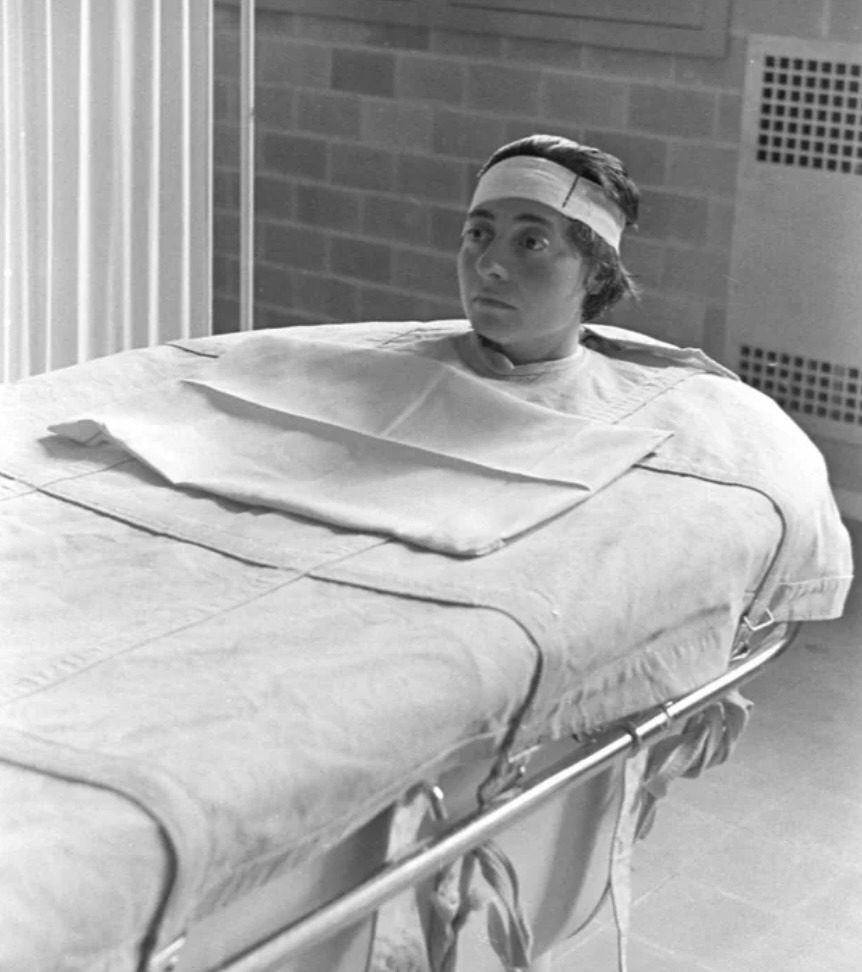
Lobotomies were performed by mechanically severing the connections in the brain’s frontal lobes. There were two main methods. Doctors either drilled holes into the skull to insert an instrument and destroy the nerve fibers, or in a simplified “transorbital” version an instrument was driven through the eye socket and swept side-to-side to sever the connections. The procedure was quick but highly imprecise, often resulting in severe and irreversible consequences.
Dr. Henry Brill, who later served as the hospital’s director from 1958 to 1976, personally supervised hundreds of lobotomies early in his career. He and his colleagues published reports noting that the operation made patients more manageable. However, he also admitted that in about a quarter of the cases, there was no improvement whatsoever.
The hospital’s cemetery serves as a grim reminder of those who never left. Former patients from Pilgrim, as well as the neighboring Kings Park and Central Islip psychiatric centers, are buried here.
For a long time, numbers were carved into the headstones instead of names. Many patients were entirely alone, while other families were simply ashamed of their relatives’ mental illnesses. Among those buried here are even Holocaust survivors—people who, tragically, were stripped of their names and reduced to a number twice in their lives. This dehumanizing practice was common across Long Island asylums, including Pilgrim.

Transformation: From Isolation to Integration
The true turning point in the treatment of mental illness came with the advent of modern pharmaceuticals. The very same Dr. Henry Brill played a pivotal role in bringing chlorpromazine (Thorazine) to the United States in the early 1950s. With the widespread adoption of antipsychotics in 1955, the patient population in New York state hospitals began to plummet.
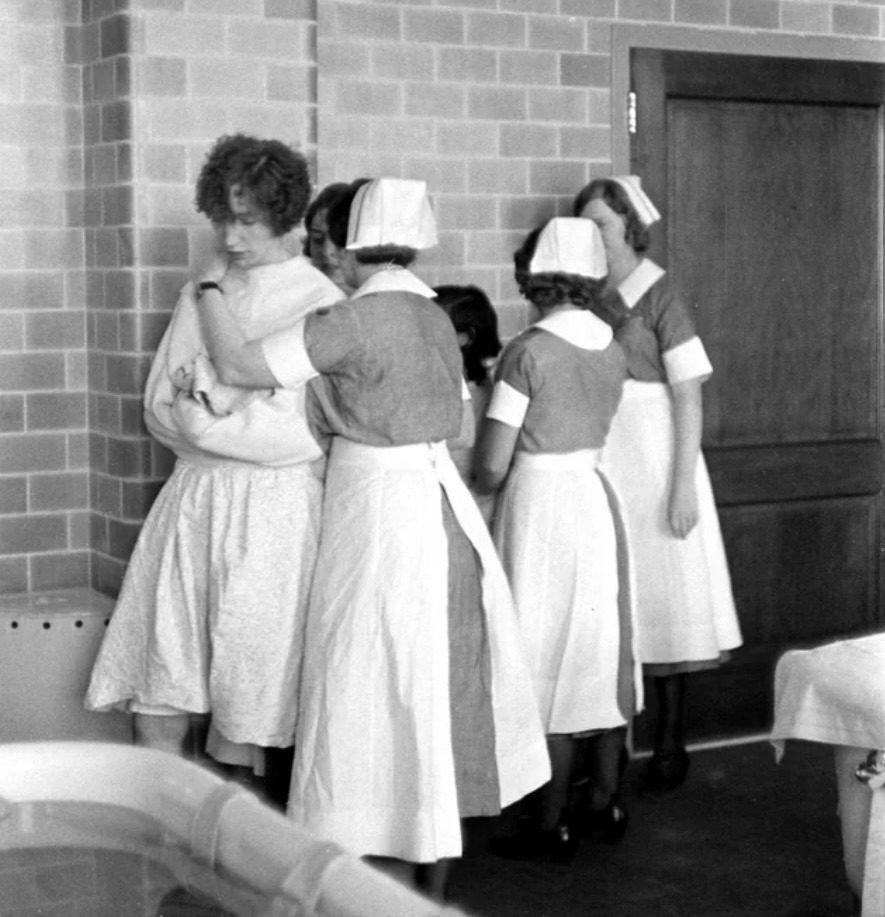
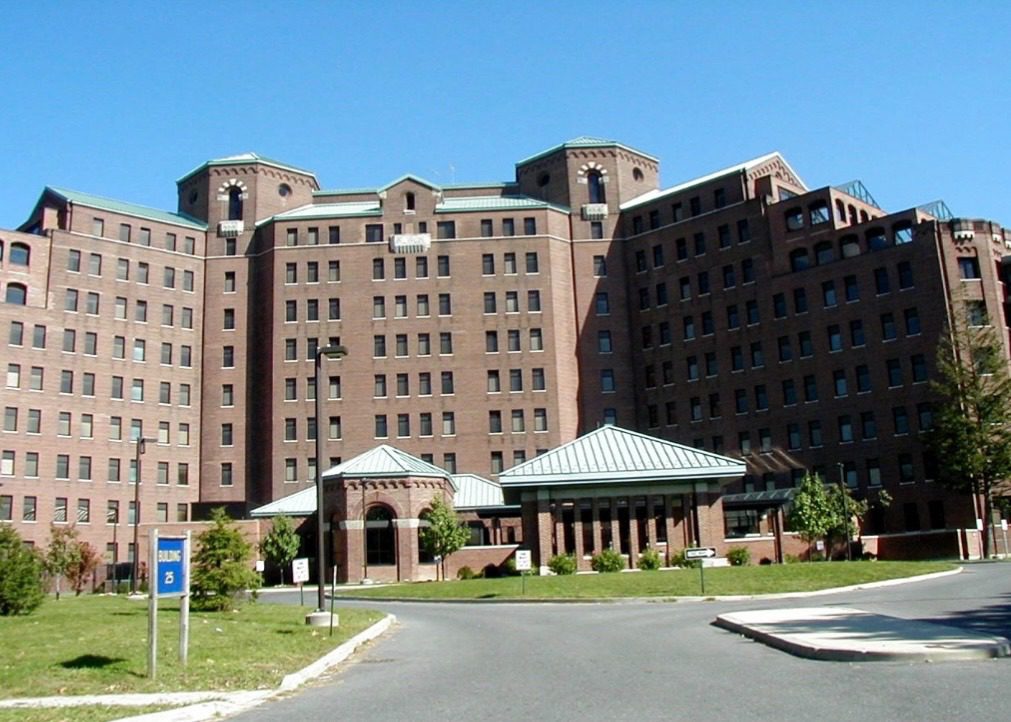
This sparked the era of deinstitutionalization. The massive brick buildings emptied out. In 1996, the Kings Park and Central Islip hospitals closed their doors, and their remaining patients were transferred to Pilgrim. A significant portion of the center’s sprawling campus was sold off, and the land is now home to a Suffolk County Community College campus and a sports complex.
Today, Pilgrim Psychiatric Center is a modern medical facility serving around 315 inpatient residents. It utilizes a multidisciplinary approach, offering patients individual and group therapy, vocational rehabilitation, and specialized services for those with dual diagnoses (co-occurring mental health disorders and substance abuse).
The Modern Clinical Psychology Program
A major point of pride for the modern Pilgrim center is its Clinical Psychology Internship program. Accredited by the American Psychological Association (APA), it trains top-tier specialists to handle the most complex clinical cases.
The 12-month program accepts four interns each year. Training is based on an effective “apprenticeship-practitioner” model.
Here are the program’s key features:
- Funding: The program provides participants with a base stipend, fully covers health insurance, and offers paid time off.
- Rotation System: The curriculum is designed so that interns work concurrently across two units: Admissions and Psychiatric Rehabilitation.
- Target Population: Adult patients suffering from severe and persistent mental illness (SPMI). The clinical practice covers diagnoses like schizophrenia, borderline personality disorder, and forensic psychiatric cases.
- Treatment Methodology: Professionals rely exclusively on evidence-based medicine. Their toolkit includes Dialectical Behavior Therapy (DBT), Acceptance and Commitment Therapy (ACT), Cognitive Behavioral Therapy for psychosis (CBTp), and cognitive remediation.
- Practical Duties: Interns independently develop treatment plans and conduct both individual therapy (a minimum of 4 patients) and group therapy (6 groups a week). Furthermore, they regularly conduct psychological testing, completing at least 6 full test batteries per year.
Interns work side-by-side with experienced supervisors, such as Chief Psychologist Dr. Richard LaMonicaand Program Director Dr. Howard Delman. Weekly seminars, journal clubs, and clinical case conferences are also seamlessly integrated into the curriculum. This allows young professionals not only to hone their practical skills but also to apply the latest scientific research to their daily patient care.
A Place Where History Meets the Present
Pilgrim Psychiatric Center is a place where the past is inextricably linked to the present. It once stood as a symbol of society’s attempt to securely isolate the problem of mental health behind the imposing walls of a giant “city within a city.” Its long corridors remember both cruel medical experiments and the tragic fates of people whose names society tried to erase beneath faceless numbers.
Today, however, Pilgrim serves as an inspiring example of transformation. Instead of isolation, the institution actively promotes reintegration into society, and cruelty has been replaced by evidence-based medicine and empathy. The prestigious internship program ensures that the next generation of clinical psychologists will be armed with the best modern knowledge, guaranteeing that the dark pages of history will never be repeated.