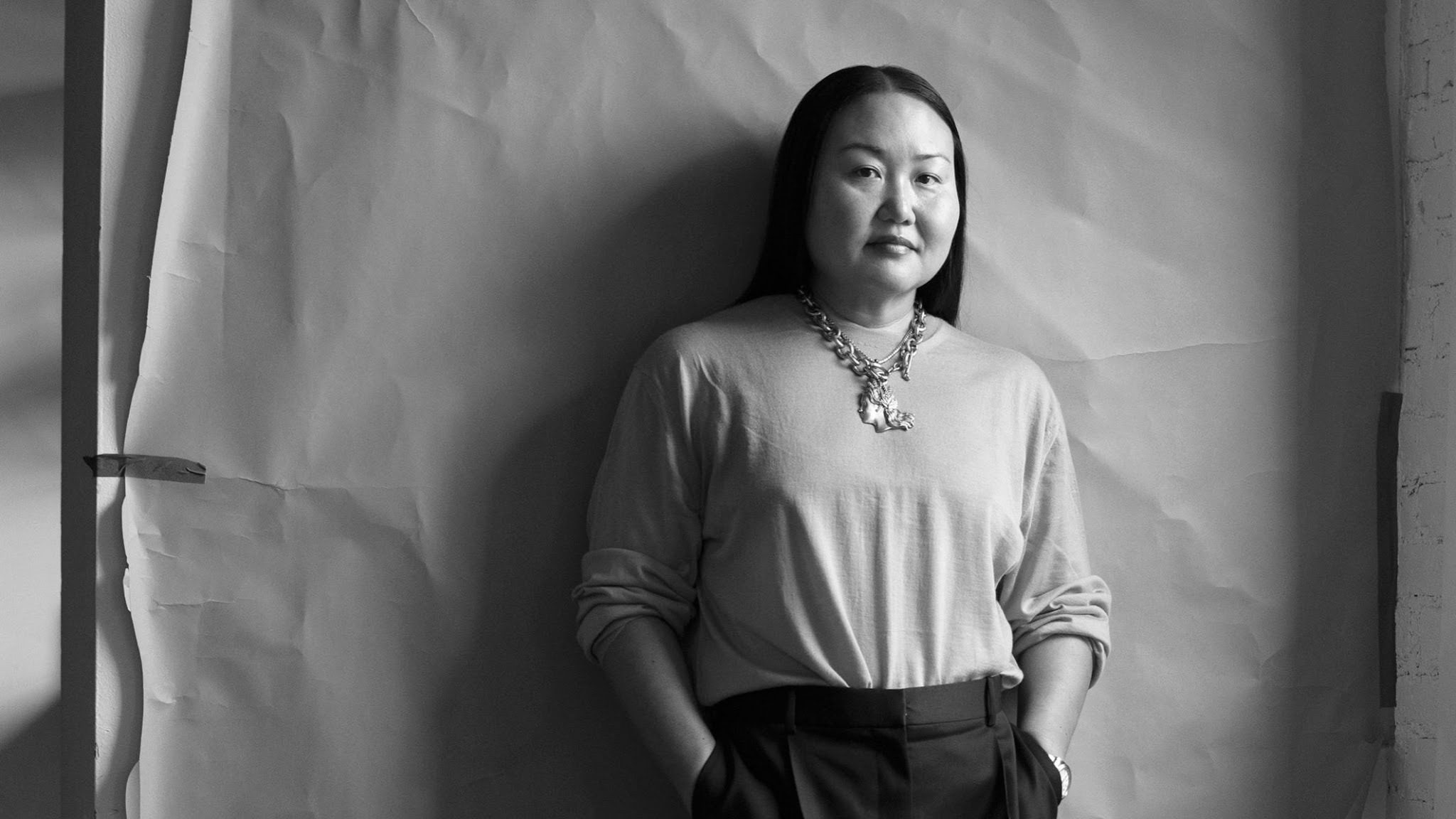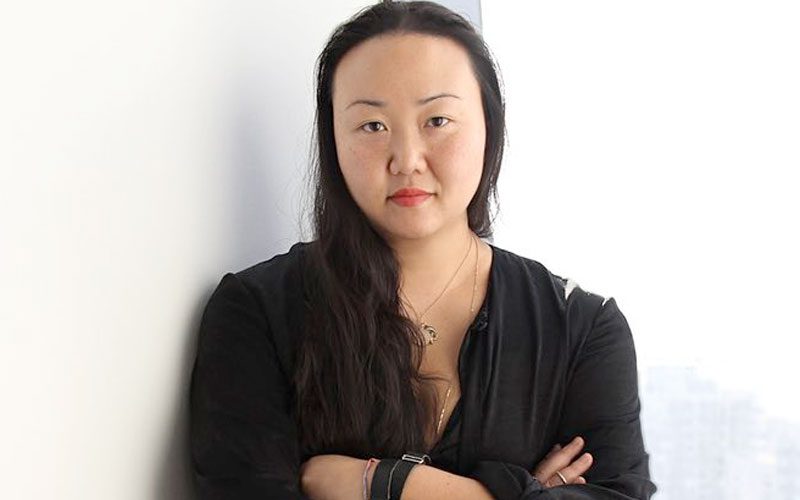

The world first took notice of Hanya Yanagihara after the explosive success of her novel A Little Life. The story struck such a deep chord with readers that they couldn’t leave it behind on the page – they went looking for the person who wrote it. What they found was a woman whose life is just as compelling as her fiction. Yanagihara seamlessly balances writing novels with a demanding career in New York’s glossy magazine world, along with interviews, public appearances, and travel. She made a deliberate choice early on: writing wouldn’t be her only path. That’s exactly why fans of Yanagihara’s books have the chance to discover the many sides of her life. You can explore them all in this article on i-new-york.com.
A Childhood in Motion
Hanya Yanagihara was born in 1974 in Los Angeles – and that may be the only truly stable detail of her early years. Her childhood was anything but ordinary. It was lively, unpredictable, and filled with constant change. One thing, however, remained certain: another journey was always just ahead. Born in sunny California, Yanagihara didn’t stay there long. Her father worked as a doctor and researcher, while her mother pursued creative work. Both were eager to move and explore. The family’s relocations were often tied to her father’s career – but just as much to a shared curiosity about new places. From Los Angeles to Texas, Honolulu, New York City, and Baltimore, moving wasn’t occasional – it was a way of life. As a result, Yanagihara grew up constantly absorbing new landscapes and meeting new people. That experience shaped her in complex ways, bringing both benefits and challenges. The one place she always returned to with joy was Hawaii, which became a true home base for her family.
Her parents embraced change not only in their own lives but also in how they raised their daughter. They encouraged her to explore freely and try different paths. There was no stigma around creative careers – something Yanagihara would later recall with gratitude. Her first passion was visual art, and her parents took it seriously. At one point, her father even arranged for her to visit a morgue so she could practice portrait drawing – an unusual but formative experience. Despite early expectations that she might become an artist, Yanagihara soon discovered another calling. She loved inventing stories and putting them on paper. By high school, she had found teachers and courses that helped her develop those skills. Although her childhood was marked by motels and constant relocation, she eventually stayed in Honolulu long enough to complete her education.
After graduating from Smith College, Yanagihara chose New York City as the place to begin her adult life. The transition wasn’t easy. She shared cramped apartments with friends, slept on a couch in the living room, and searched for a job that could both support her and feel meaningful. Her first role was as a bookseller, followed by a stint as an editor at a publishing house. It didn’t take long for her to realize she wasn’t well-suited to that environment. At the time, Yanagihara had no idea that her future success would eventually be rooted in writing – and in the very industry she once struggled to navigate.
The Queen of Emotion
When Hanya Yanagihara realized that her job in publishing wasn’t the right fit – for her or her employers – she began looking for new opportunities. After trying her hand at several startups across different industries, she eventually found stability in a role she truly enjoyed. That’s how she became an editor at Condé Nast Traveler. Even though she was satisfied with her job and environment, her real creative work happened at home. In the evenings, she wrote chapters of what would become her debut novel. In 2013, she published The People in the Trees. It was a story she had been developing, in one form or another, since childhood. The idea was partly inspired by Daniel Carleton Gajdusek, whose life raised profound ethical questions that Yanagihara explored in the book. From the start, she made it clear: she wasn’t interested in writing light or crowd-pleasing fiction. Critics responded positively to the novel – but readers were slower to catch on.
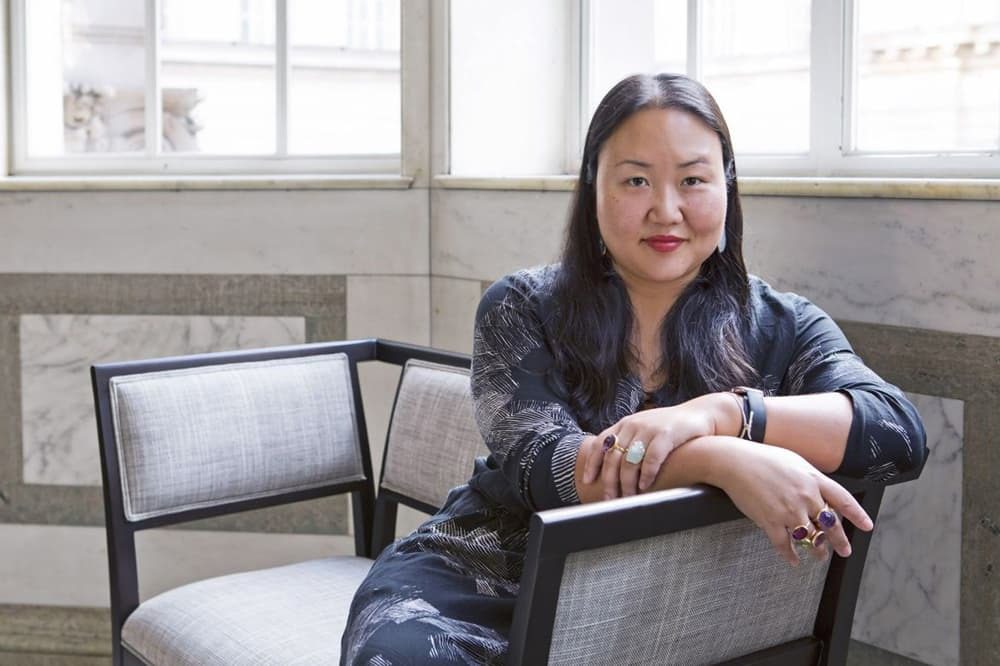
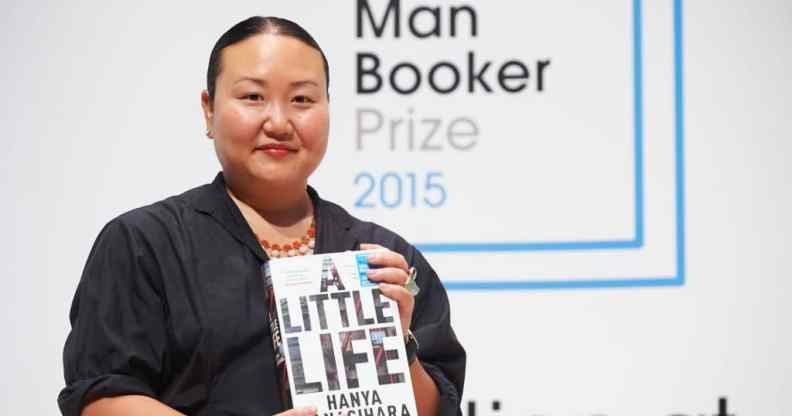
Her debut felt like an experiment in emotional limits. With her second book, she let go completely – and it paid off. In 2015, she released the novel that would change everything: A Little Life. The book didn’t just transform her career – it deeply affected readers around the world. It earned her a reputation as a master of emotional storytelling, moving audiences to tears, empathy, joy, and heartbreak. At the center of the story are four friends, one of whom carries a devastating trauma. Some readers criticized Yanagihara for being too harsh on her characters – and, by extension, on her audience. Her response was direct: she was simply telling a story about adulthood. Even her editor had urged her to cut certain sections, but Yanagihara stood firm. That decision helped create the novel’s powerful impact. It sparked intense discussion, stirred strong emotions, and cemented her place in contemporary literature.
It took years for her to fully step away from that story. She finally did in 2022, with the release of To Paradise. The novel became another bestseller and further defined her voice for a global audience. In To Paradise, Yanagihara moves through multiple versions of New York City, weaving together emotionally rich narratives, complex questions, and impossible choices. Notably, parts of the book seemed to anticipate a pandemic – despite being written before COVID-19. Yanagihara herself was surprised by the accuracy, though she doesn’t see it as prophecy, but rather as careful observation. Despite critical acclaim, major awards, and a devoted readership, she hasn’t changed her routine. Alongside her writing, she continues to maintain a full-time career – staying grounded in a life that extends far beyond her books.
A Glossy Magazine Editor
After settling in New York City, Hanya Yanagihara set herself an ambitious goal: to make it in the city on her own terms. Her path to success wasn’t fast or effortless – there was no lucky break or overnight fame. What carried her through instead was persistence and self-belief. Her early attempts to build a career didn’t go smoothly. She landed jobs at a bookstore and later at a publishing house, but quickly realized she wasn’t a good fit for that side of the industry. Reassessing her strengths, she made a strategic shift – leaving one editorial role to find another that suited her better. Her first major and stable success in New York came with Condé Nast Traveler. The magazine offered her a role that blended fashion and travel – an ideal match for someone who had spent her life moving between places and observing the creative worlds of her parents. It allowed her to combine two passions: exploring the world and writing about it. Through work trips, she visited countless countries and turned those experiences into stories for the magazine. Just as importantly, she rediscovered her love for editorial work – a field she had nearly written off.
In 2015, after the release of her breakout novel A Little Life, Yanagihara left the publication. Many expected her to focus entirely on writing books. Instead, she surprised everyone. She took on the role of deputy editor at T: The New York Times Style Magazine. The move raised questions, but she had no doubts. First, she genuinely loved editorial work and looked forward to it every day. Second, writing alone wasn’t a reliable source of income. And beyond that, working in magazines kept her connected to the world in a way that writing alone couldn’t. Over time, she rose through the ranks and eventually became editor-in-chief of T.
Beyond financial stability and career growth, her connection to the magazine world runs deeper. As a child, she watched her mother thoughtfully put together outfits and saw her father create beauty in his own way. That early exposure shaped her sense of aesthetics – something she carried into her professional life. In the world of fashion and editorial, Yanagihara found a space where she felt both capable and fulfilled. The structure of a daily job also brought balance to her life as a writer. And today, it’s clear: she has succeeded in both careers, without compromising either one.

Who Is Hanya Yanagihara?
There’s a familiar saying: we’re all shaped by our childhoods. That certainly holds true for Hanya Yanagihara, whose early years were anything but ordinary. Her upbringing – active, unpredictable, and full of movement – played a defining role in who she is today. Her parents had a lasting influence. They encouraged creativity, independence, and curiosity. At the same time, they weren’t overly sentimental, which meant Yanagihara often had to navigate challenges on her own. She sees herself in a similar way now. Despite writing deeply emotional novels, she approaches both life and work with a clear, rational mindset. Yanagihara firmly defends her right to write about any subject. She also avoids reading reviews altogether, choosing not to let outside opinions shape her work. For her, writing isn’t about waiting for inspiration – it’s about discipline. Her routine is unwavering: after a full day working at a magazine, she sits down to write every evening.
She’s also a self-described homebody. Her apartment is where she disconnects from the outside world and focuses on her craft. In fact, she has said that the pandemic was one of her most productive periods, as it allowed her to spend more time at home. Even though she lives in New York City, the urge to travel never disappears. Her personal refuge remains Hawaii, a place she returns to whenever she needs to recharge. Life in New York has also brought her close friendships – people who reflect her own character. Colleagues describe her as reserved yet sincere, direct yet thoughtful, sociable yet bold. It’s a combination of traits that shows up clearly in her work. Yanagihara doesn’t believe in illusions. Life has taught her to stay grounded in reality – and that’s exactly the perspective she shares with the world.