
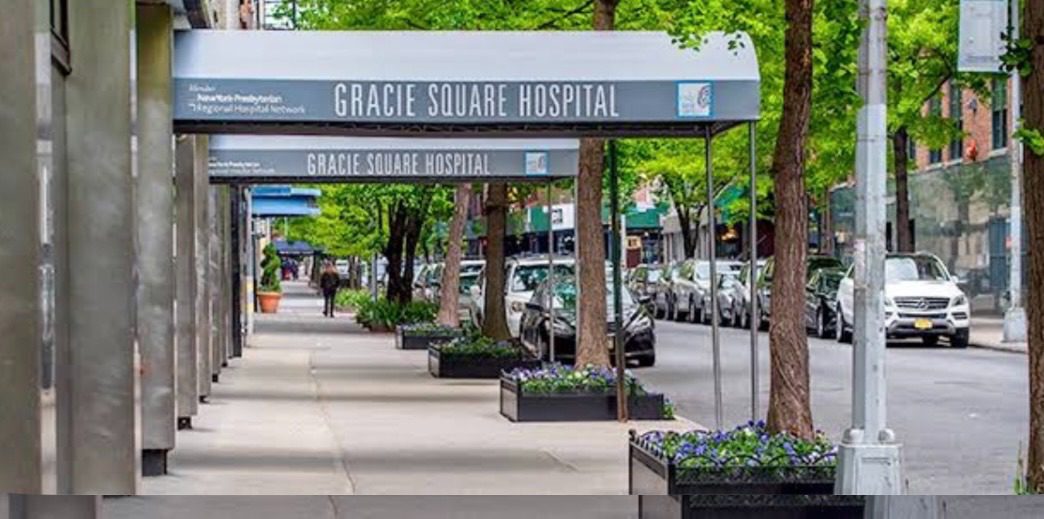
Located on Manhattan’s prestigious Upper East Side, Gracie Square Hospital (GSH) has stood for decades as a reliable bastion for those seeking help during life’s most difficult moments. In this article on i-new-york.com, we’ll explore the facility’s unique clinical programs, its experience operating under the extreme conditions of the pandemic, and the “person-centered” medical model that makes Gracie Square Hospital an industry leader.
From Isolation to Recovery
The hospital’s history dates back to the mid-20th century—an era when psychiatry was only just beginning to abandon the harsh and often inhumane practices of isolation. At the time, the medical community was gradually realizing that treating mental illness shouldn’t be based on separating people from society, but rather on reintegrating them into a fulfilling life. This was the context in which the facility’s core philosophy was forged.
Over the following decades, the hospital didn’t just grow; it changed the very logic of psychiatric care. Instead of keeping patients institutionalized for long periods, the focus shifted to short-term inpatient treatment. This approach allows doctors to rapidly stabilize a person’s condition, provide necessary support, and return them to their normal environment, family, and community as quickly as possible.
Today, it is a modern, 157-bed medical facility that helps thousands of New Yorkers navigate crises every year. But its significance goes far beyond the numbers. The hospital has become a part of the city’s cultural fabric. Its former patients include the legendary jazz innovator Thelonious Monk and other creative minds who battled various mental health conditions. The story of Gracie Square Hospital isn’t just about the growth of a medical institution. It’s a story about changing societal attitudes toward mental health, humanizing treatment, and striving to give people back what matters most: the opportunity to live among others, rather than on the fringes.
Recent years have been a turning point for the hospital. The facility hasn’t merely updated its treatment approaches; it has essentially reimagined the patient’s role in the recovery process. This shift was spearheaded by the hospital’s leadership, headed by Marty Mancuso, who championed a simple principle: behind every diagnosis is a living, breathing human being, and they must be the center of attention.
“Everything in the hospital’s program is patient-oriented and aimed at one single goal—the patient’s peace of mind and recovery,” notes Gracie Square Hospital.

One of the most critical steps in this direction was the creation of the Patient and Family Advisory Council (PFAC). This format fundamentally shifted the balance of power within the hospital. Patients are no longer passive recipients of care; they have gained a real voice in their treatment. They have become full partners in the process—working alongside doctors to chart their own path to recovery.
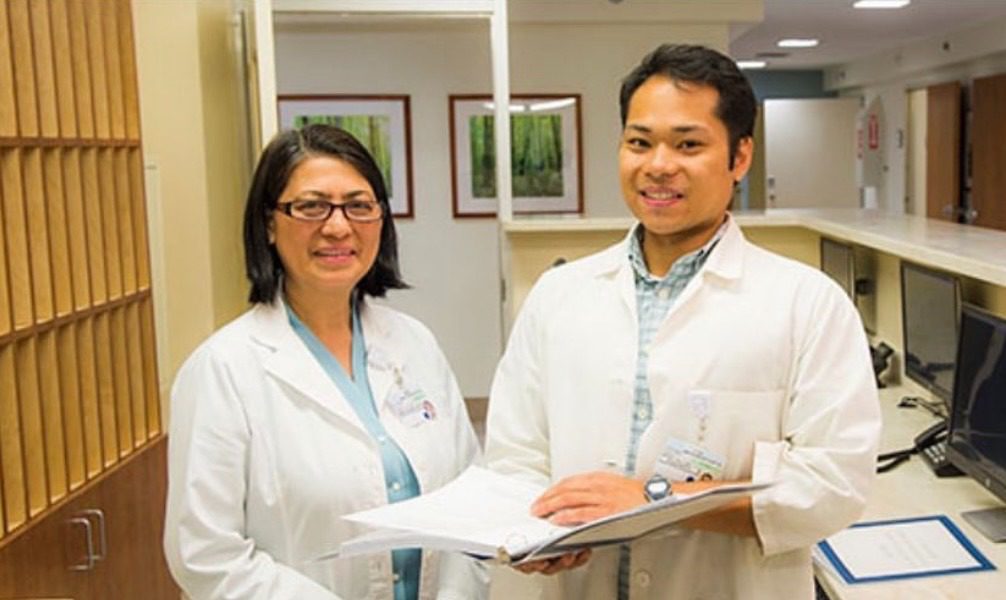
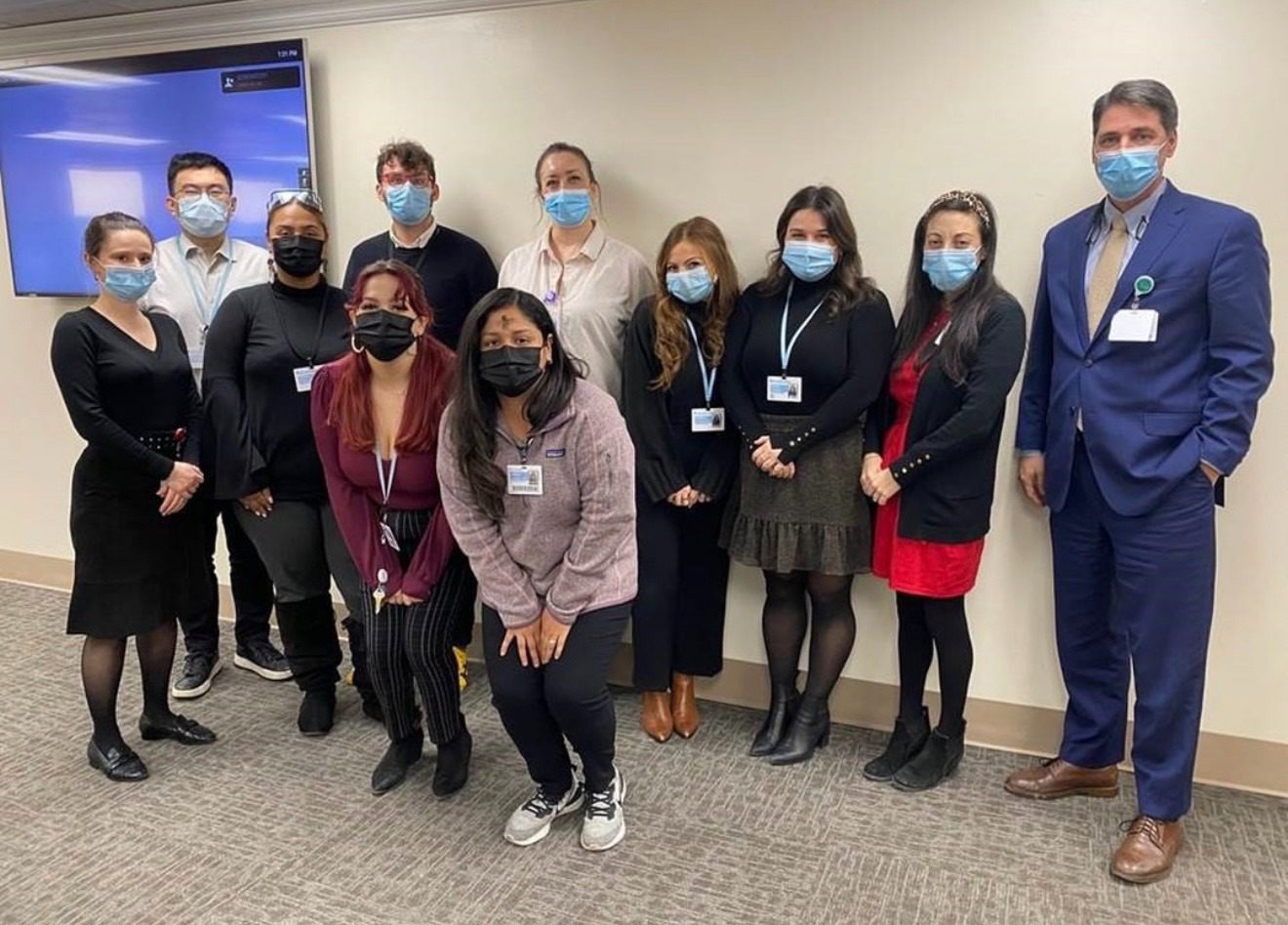
Daily operations at the hospital now rely on the seamless collaboration of a multidisciplinary team. Psychiatrists, nurses, therapists, and social workers don’t just work “on” a patient; they work with them. Every decision is discussed, and every step is explained. This is how trust is built, and without it, genuine progress in psychiatry is impossible. The ultimate goal isn’t just to stabilize a condition, but to restore a person’s sense of dignity, give them back control over their life, and instill hope for recovery.
Clinical Specialization: From Young Adults to Geriatrics
Gracie Square Hospital offers a comprehensive network of specialized units, allowing it to provide highly targeted care for different demographics:
- Geriatric Psychiatry: A specialized program for older adults that addresses both mental health disorders and age-related medical conditions.
- Psychiatric Intensive Care Unit (PICU): Designed for patients who require an elevated level of observation and safety due to acute states or a risk of aggressive behavior.
- Dual Diagnosis: Dedicated care for individuals battling both mental health disorders and substance use issues.
- Young Adult Psychiatry: Tailored programs for youth, focusing on early intervention and support during critical developmental stages.
This structure operates like a complex mosaic, where every piece has its place. Thanks to this flexibility, the hospital can connect with patients on their own terms—accounting for their age, life experiences, and unique personal circumstances.
The Pandemic: A Trial and a Test of Resilience
The pandemic was a massive challenge for New York’s entire healthcare system, and Gracie Square Hospital found itself on the front lines. While most medical facilities were still just trying to adapt to the new reality, the hospital took a step few dared to take: it opened a dedicated inpatient psychiatric unit for patients with confirmed COVID-19.
This decision presented the team with an unprecedented dilemma. On one hand, there was an absolute need for strict isolation to contain the virus. On the other, psychiatric patients have a fundamental need for human contact, support, and interaction. Striking a balance between these two extremes became a daily challenge for the doctors and nurses.
The experiences of this unit later formed the basis for scientific publications led by N. Mahgoub and S. Agarkar. In their work, they describe how they essentially had to “rewrite the rules” of psychiatric care on the fly. This included heightened screening for suicide risks, mandatory use of personal protective equipment (PPE) even during therapy sessions, and close coordination with city shelters to ensure patients could safely return to the community upon discharge.
Ultimately, the challenges of the pandemic didn’t shake the hospital’s foundations—rather, they proved its resilience. Financial data for 2025 highlights the facility’s stable and efficient operations. Despite massive expenditures on staffing and infrastructure, the hospital has maintained a positive financial balance. A major factor in this success is its collaboration with Medicare. Hundreds of patients receive treatment through this program, with average inpatient stays lasting nearly a month.
Accessibility and Inclusivity Without Borders
In the loud, diverse melting pot of New York City, healthcare access isn’t just a medical issue; it’s a matter of equity. That’s why Gracie Square Hospital has committed to a policy of maximum openness, accommodating the diverse life circumstances of its patients. A key tool in this mission is the Charity Care financial assistance program. It provides a lifeline to quality treatment for those who lack insurance or cannot afford out-of-pocket costs.
The hospital’s internal documents spell this out bluntly:
“Quality psychiatric care should not depend on the size of a wallet or the ability to speak English.”
To ensure patients and their families can confidently navigate the treatment process, all key documents are translated into multiple languages—from Spanish and Chinese to Russian, Arabic, Bengali, and French. This doesn’t just streamline communication; it significantly reduces the anxiety that naturally comes with seeking psychiatric help.
However, this openness goes hand-in-hand with a strict security protocol. In a psychiatric inpatient setting, even everyday items can pose a serious threat, so the rules here are clear and uncompromising. Patients are not allowed to have electronic devices, glass items, or anything with sharp edges. The restrictions even extend to wardrobes: clothing and footwear with drawstrings or laces—like hoodies, sweatpants, or sneakers—are strictly banned to prevent any risk of self-harm.
In return, the hospital takes full responsibility for providing everything needed for a comfortable stay. Even minor details like writing utensils are carefully thought out: patients are given special “safety pens” designed to minimize any potential risks.
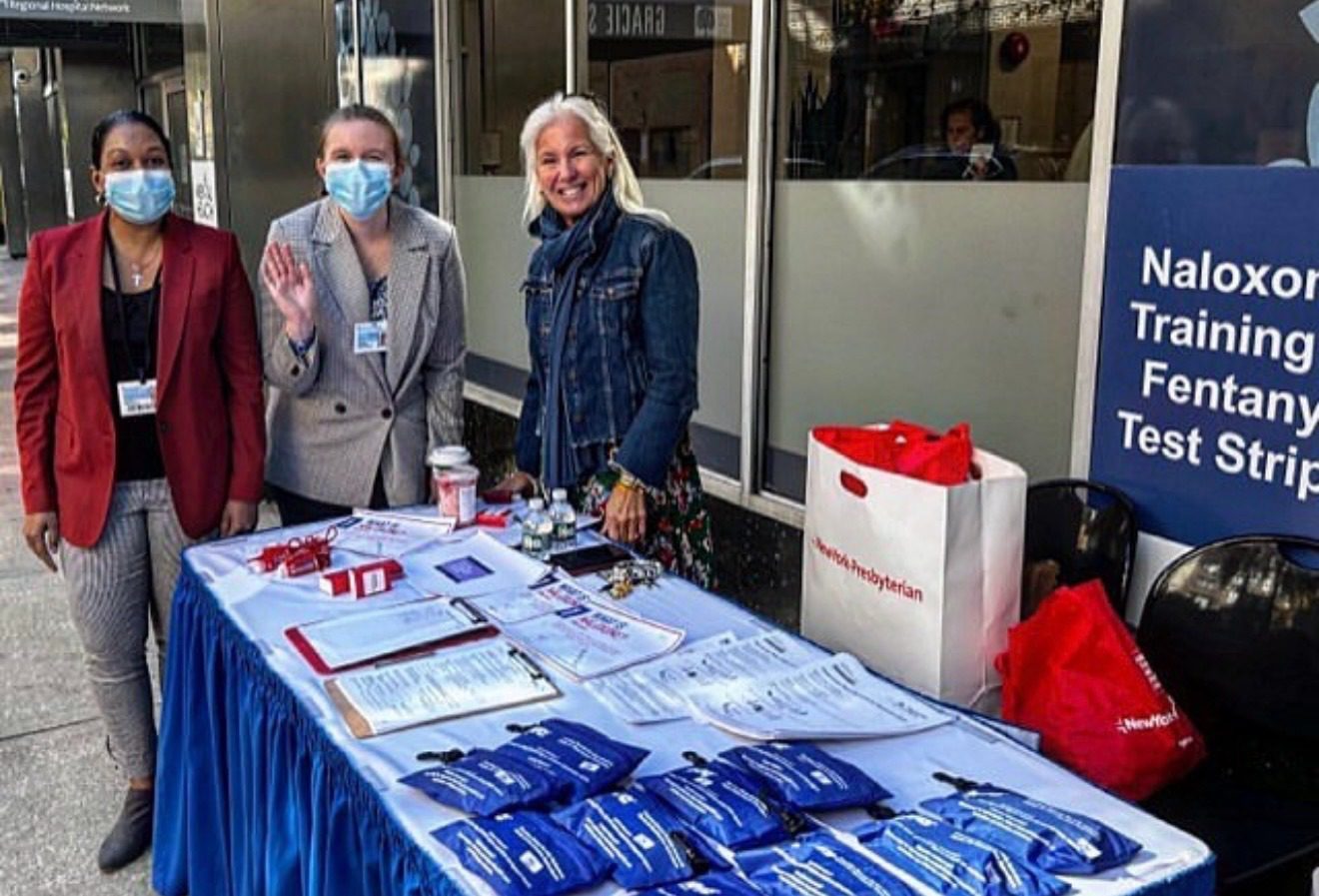
Gracie Square Hospital stands as a shining example of how modern psychiatry should work. It’s about much more than diagnoses and medications; it’s about creating an environment where a person feels respected, protected, and fully supported. By combining financial stability, innovative approaches, and a genuine patient-first mentality, the hospital proves that even in the complex field of mental health, it’s possible to build a system centered on human dignity and the chance for recovery.