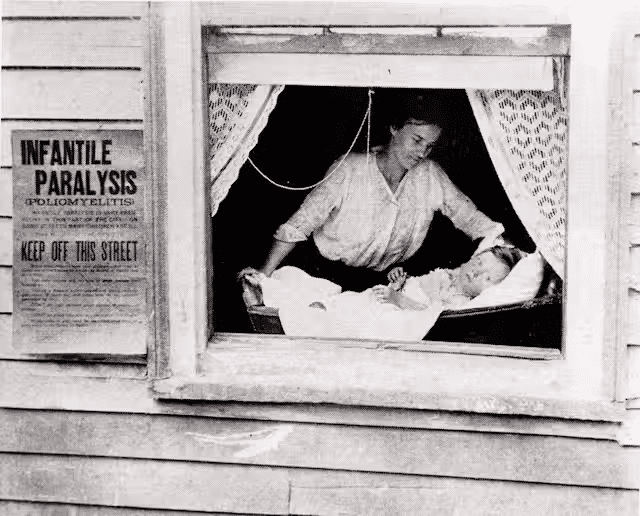

Polio was a disease especially common among children in the late 19th and early 20th centuries, earning it the nickname “infantile paralysis.” At the time, there was no cure. If the infection reached the muscles of the lungs or the brain, it could be fatal.
While it was known that polio spread from person to person, as well as through food and water, the disease surprisingly became more common even as sanitation improved. A major epidemic struck New York City in 1916, claiming many lives. Have a closer look at the outbreak and its aftermath on i-new-york
New York’s Polio Epidemic: Facts and Figures
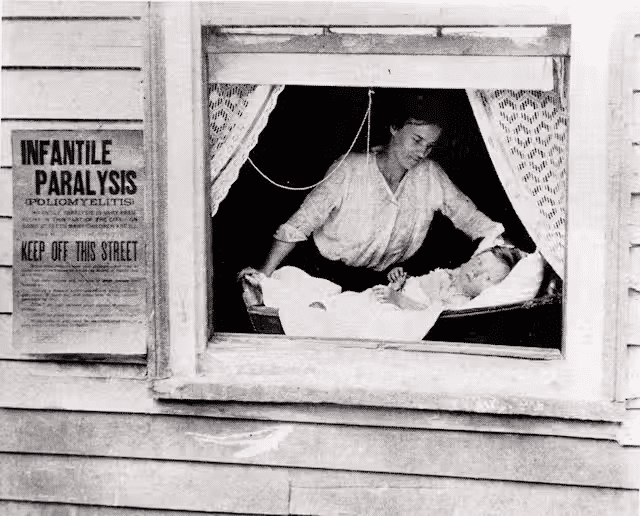
The polio epidemic was officially declared in New York on June 17, 1916. Authorities immediately took aggressive measures to stop the spread of the dangerous disease:
- Newspapers published the names and addresses of the sick, and houses with cases were marked with special signs.
- Families with sick children were quarantined.
- Theaters were closed, public gatherings were canceled, and parents were warned to keep children away from amusement parks, swimming pools, and beaches.
Many residents fled New York, but the disease continued to spread across the country. That year, more than 27,000 polio cases and over 6,000 deaths were reported in the U.S. More than 2,000 of those deaths were in New York City alone.
It’s important to note that similar outbreaks occurred every summer, and major epidemics were becoming more frequent. Polio peaked in the U.S. in 1952 with 57,628 cases, and a similar situation was seen on other continents. Attempts to control the disease were unsuccessful and left people with a sense of fear and helplessness.
What Caused the Polio Epidemics?
So why did polio become more aggressive despite general improvements in sanitation? For centuries, immunity to the disease was passed from generation to generation. Mothers who had been infected as children passed on temporary protection to their babies in the womb and through breastfeeding.
Additionally, polio has two stages. The first is mild, with the virus only present in the digestive system and throat. Most children with temporary maternal immunity were able to fight off the disease at this stage. The symptoms were similar to the flu. After recovering, they developed long-lasting immunity, which provided further protection.
An unexpected consequence of improved sanitation in the late 19th century was that children with temporary maternal immunity were no longer exposed to the virus. This meant they didn’t develop their own long-lasting immunity. As a result, contracting polio later in childhood or as an adult often became fatal.
Polio: Symptoms and Early Treatments
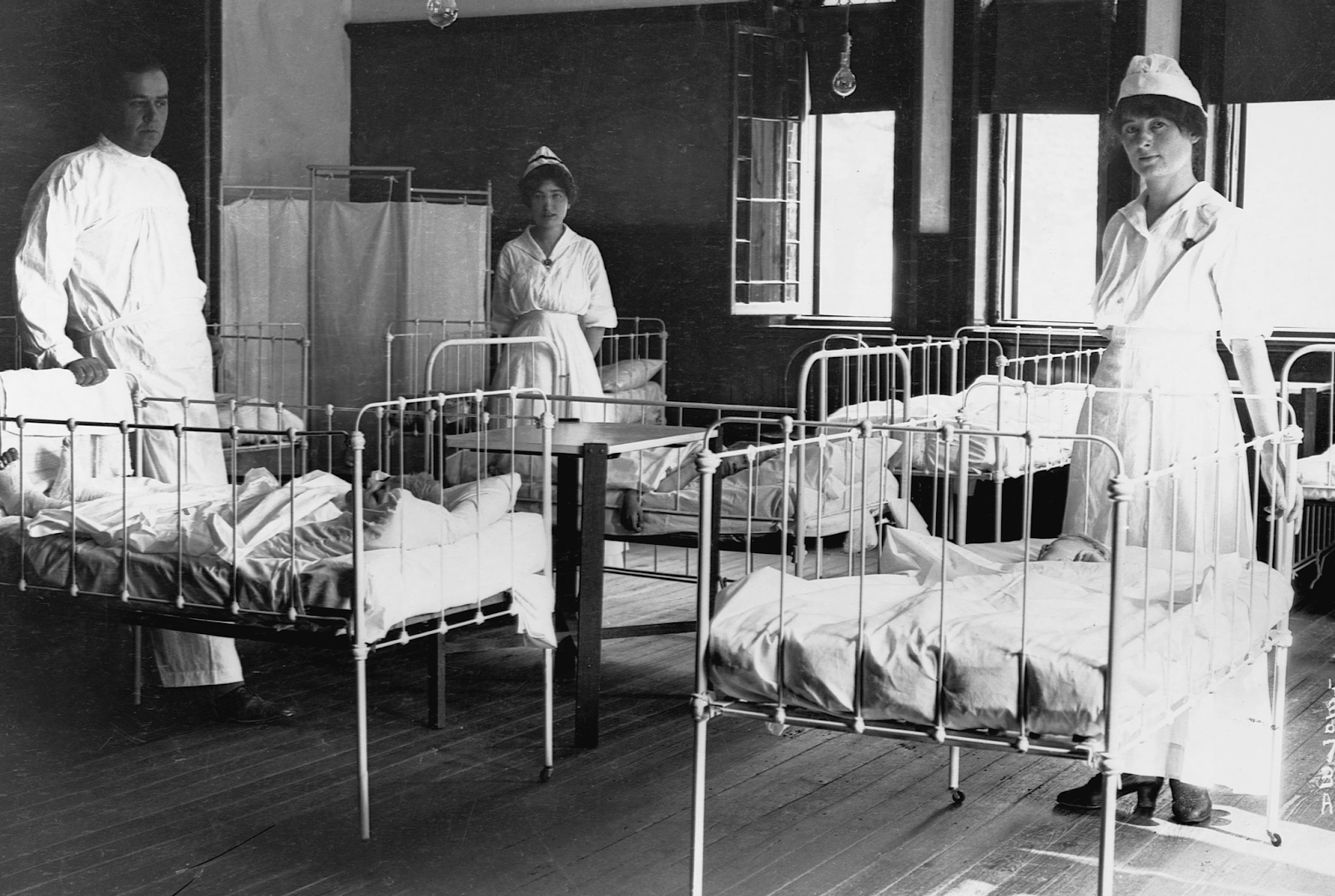
Without immunity, a person with polio could develop the second stage of the disease. Symptoms included fever, muscle stiffness, and headaches, as well as muscle weakness or paralysis. These last two symptoms are the most typical for diagnosing the disease.
In the second stage, the virus reaches the central nervous system and begins to damage motor neurons. These brain cells control the muscles. If half or more of the motor neurons are damaged, the patient develops permanent paralysis. If the disease reaches the neurons that control breathing and heart function, it leads to death.
Given the prevalence of polio, developing treatments was a real challenge for scientists. The first step was to understand the nature of the disease. In 1908, Karl Landsteiner and Erwin Popper discovered that the cause was a virus. It was first visualized with an electron microscope in 1953. By then, antibiotics had helped humanity begin to overcome bacterial diseases, but treating viral illnesses was still a problem.
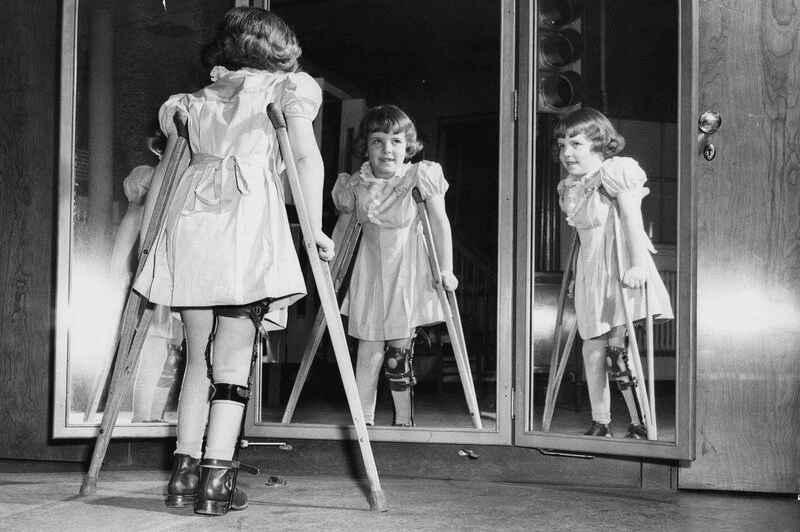
Early polio treatments involved using splints to prevent overstraining affected muscles. Patients could spend months in plaster casts, but this approach often led to the weakening of healthy muscles.
A new approach was proposed in the 1930s by an Australian nurse named Elizabeth Kenny. She began using physical therapy, compresses, massage, special exercises, and early activity to strengthen healthy muscles and stimulate motor neurons. Kenny later moved to the U.S., where she founded a rehabilitation institute. By the mid-20th century, her treatment methods for polio had become widely accepted and are still used today.
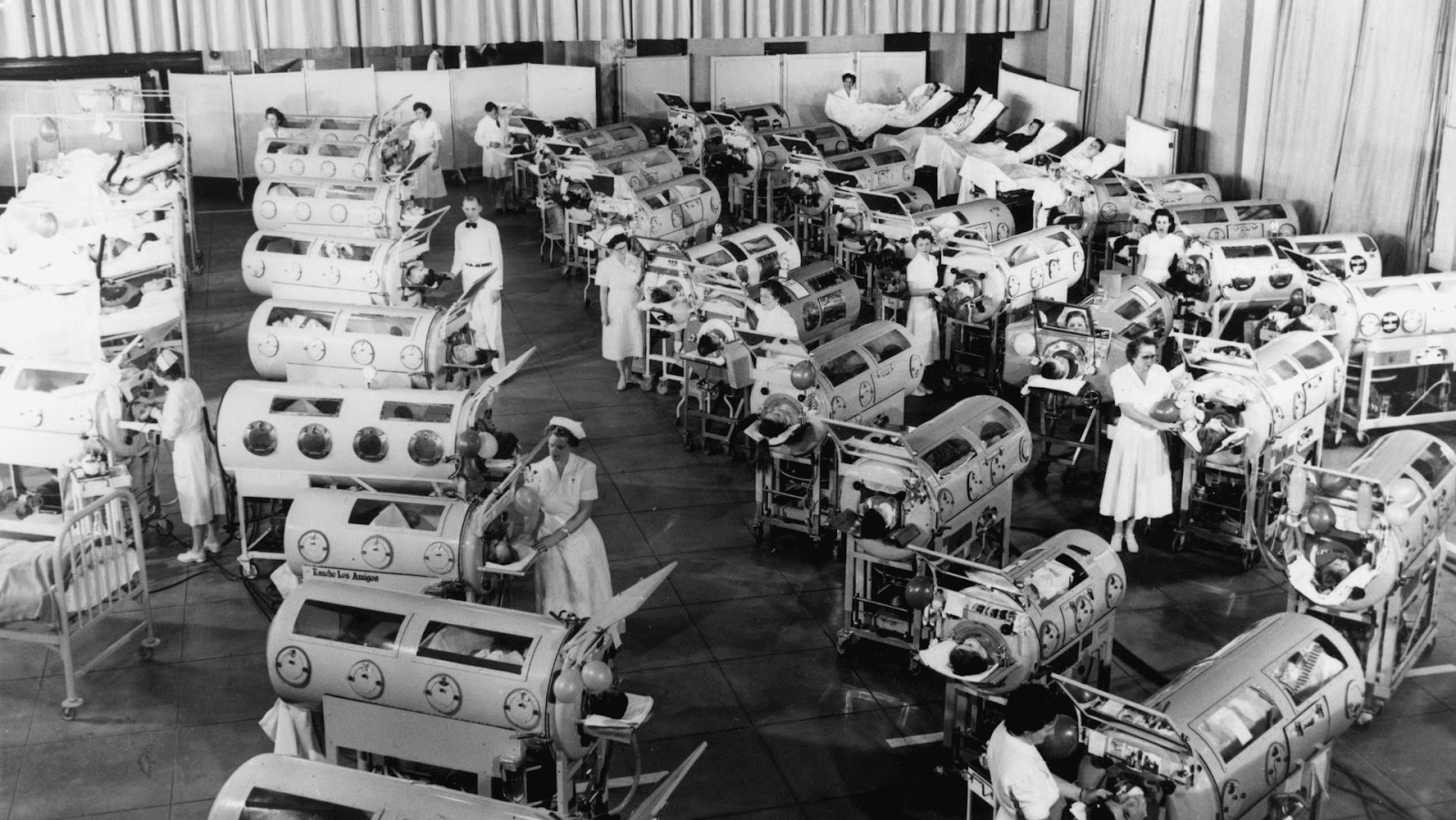
In 1928, a device called the “iron lung” was developed. It was designed for patients with paralyzed lung muscles and sometimes helped restore lung function. If the paralysis was permanent, the patient would remain in the device for the rest of their life.
Eradicating Polio: Vaccination and the Current Status
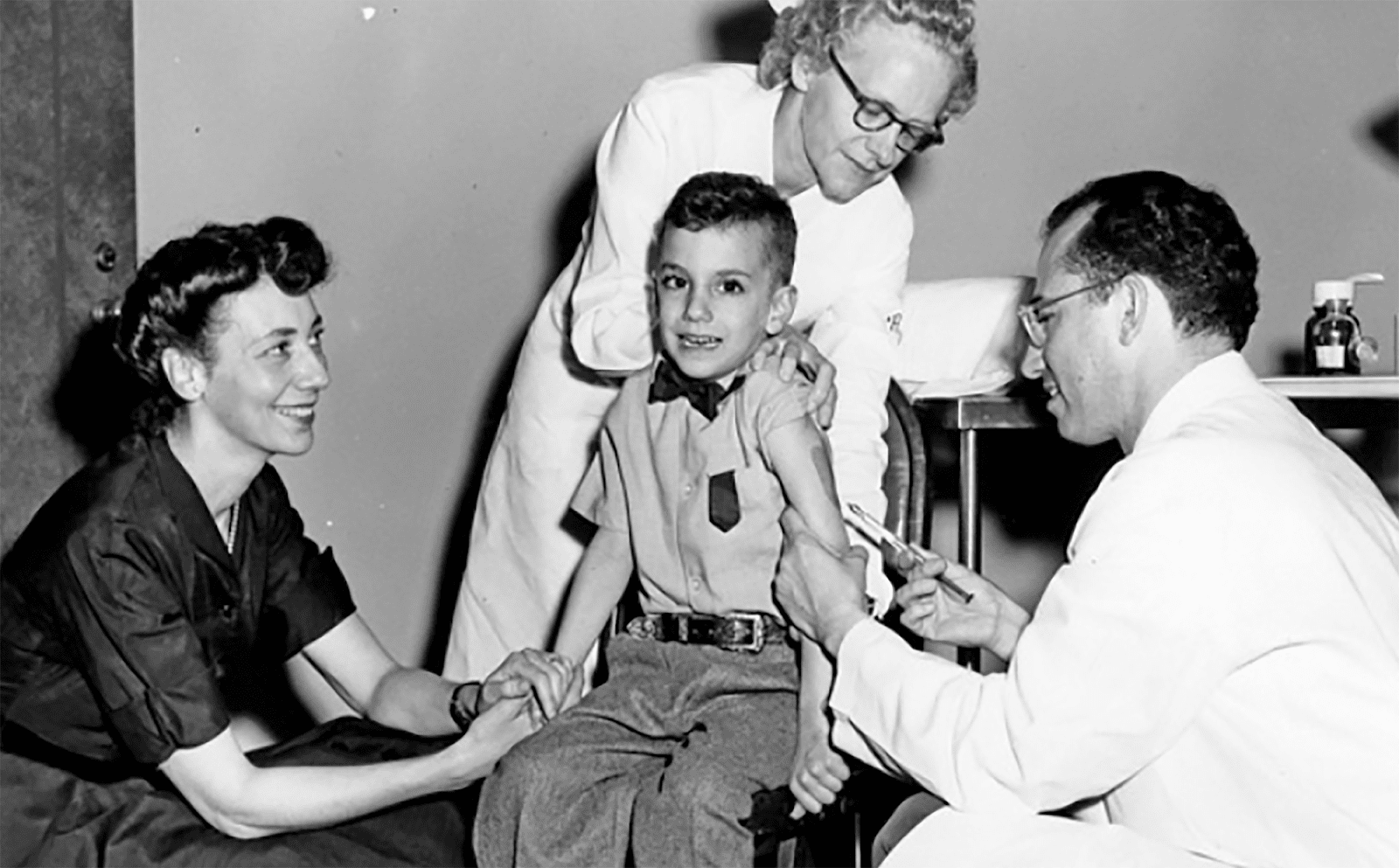
Meanwhile, scientists continued to develop a polio vaccine. The first successful one was created by New York doctor Jonas Salk. He developed an inactivated polio vaccine, or IPV, which contained a killed form of the poliovirus and was given by injection. Salk first tested the new drug on himself and his own children. In 1954, the first mass vaccination, still part of clinical trials, began.
The initial success was astounding. In 1954, there were over 38,000 cases of polio in the U.S., but by 1960, there were just over 2,000. This result was a sensation not only in the U.S. but worldwide. Jonas Salk was celebrated as a true hero. He received many awards, but his main goal was to distribute the vaccine. Soon after, it began to be used in Europe. In the U.S., about half of all children were vaccinated by the 1970s. The epidemic never returned.
At the same time, another scientist, Albert Sabin, developed an oral vaccine in the form of drops. It contained a live, weakened virus. However, this development was not initially supported in the U.S. So Sabin went to the USSR, where polio was also a widespread problem. In 1958, industrial production of the new vaccine was organized, and its use significantly reduced disease rates. Sabin’s vaccine was licensed in the U.S. in 1961.
Both vaccines are still used today. Sabin’s oral vaccine became more popular because it’s given to children as drops, making it much easier for mass vaccination than injections. At the same time, both drugs have proven effective and have saved the world and generations of children.
In the 1970s, only a few hundred cases of polio were reported in the U.S. per year. By 1988, the disease was eliminated in the U.S., Australia, and most of Europe. That year, the World Health Assembly set an ambitious goal: to eradicate the disease worldwide by 2000.
However, the world is still working toward that goal, as endemic polio is still present in Pakistan and Afghanistan. As long as the virus exists, the threat of epidemics remains, as it can be easily carried through global transportation networks. That’s why cases of polio are still sometimes recorded in the U.S. and other countries, and mass vaccination must continue.