
After moving to New York from Germany, Dr. Max Jacobson opened a medical practice on Manhattan’s Upper East Side. He administered “vitamin injections” to his patients, which had an incredibly positive effect on their health and overall well-being. The popular doctor’s celebrity clientele included Frank Sinatra, Marilyn Monroe, Elvis Presley, Elizabeth Taylor, Salvador Dalí, Tennessee Williams, Winston Churchill, and John F. Kennedy along with his wife. However, it was later revealed that Jacobson had laced his injections with amphetamines, which had a negative impact on many of his patients on i-new-york.
Early Life
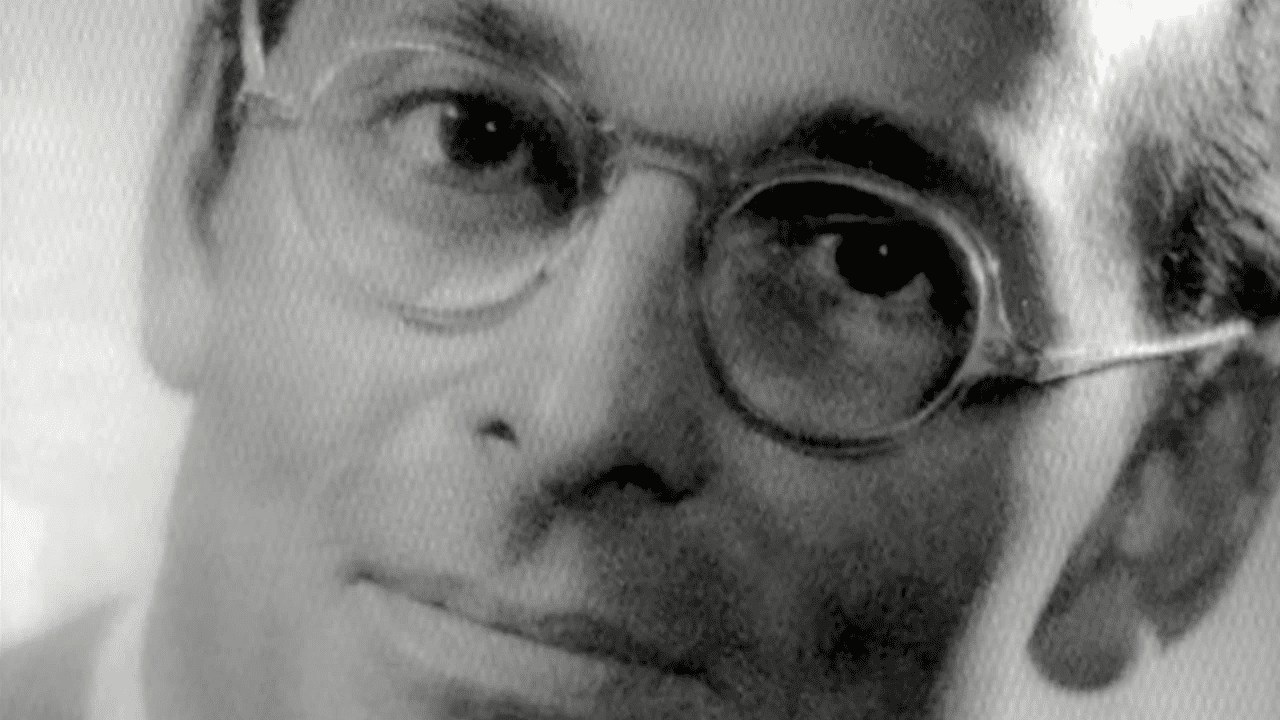
Born on July 3, 1900, in the Eastern Prussian city of Bromberg, Max Jacobson was of Jewish descent. When he was ten, his family moved to Germany. His father was a butcher, and his mother was a homemaker. The couple had three sons.
As a teenager, Max began working as a doctor’s assistant in Berlin. He later attended Heidelberg University and continued his medical studies at the University of Berlin. As the persecution of Jews began, Jacobson was forced to flee to Prague, where he opened his own medical practice in 1925 and got married.
Early in his medical career, he focused on treating hepatitis and eye diseases, tissue regeneration, and finding cures for multiple sclerosis and cancer. He wanted to help people stay active and productive even when they were sick.
In 1931, Max and his wife, Alice, returned to Berlin, where they had a son. Two years later, the family moved to Paris, and Jacobson became the doctor for the French national team. As Nazi influence grew stronger and Jews faced increasing persecution, Jacobson decided to move to the U.S. in 1936.
Moving to the U.S. and the “Miracle” Cure
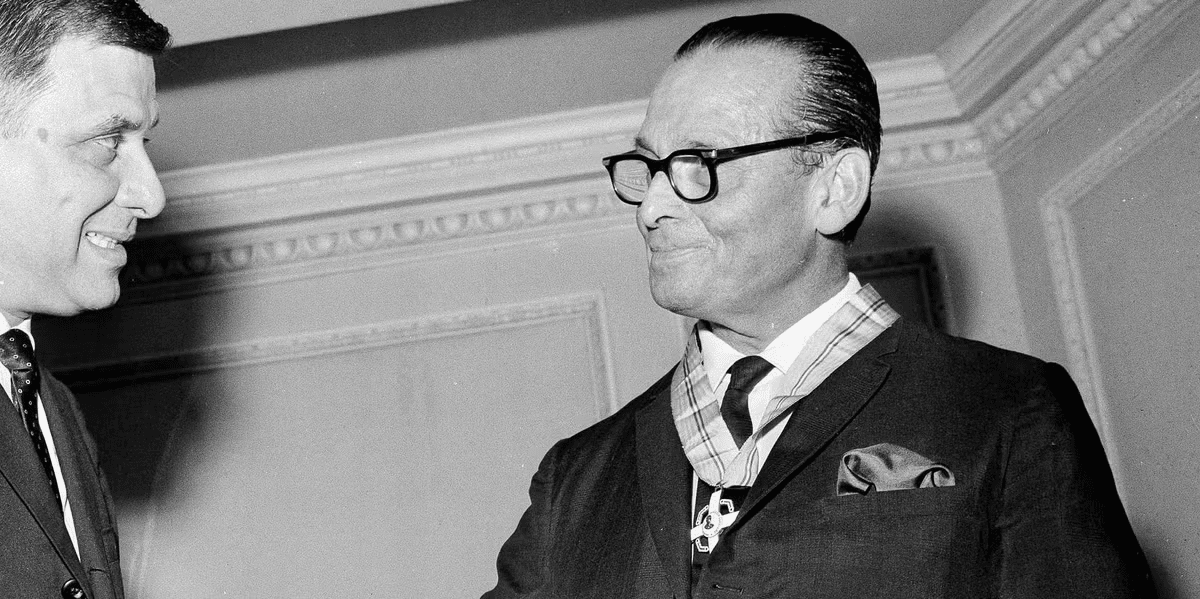
In the 1930s, the doctor began experimenting with psychoactive drugs—first on animals, then on himself and his patients. His consultant was Carl Jung. Jacobson focused on amphetamines—substances that can quickly make a person feel energetic and active.
Amphetamines were discovered in the late 19th century and gained popularity during World War II when they were mass-produced and given to soldiers. In the U.S., doctors prescribed them for many ailments until 1937, including weight loss and staying awake for long periods, which was popular among drivers and students.
While amphetamines were widely used, U.S. doctors who prescribed them recommended bed rest and lots of fluids. Jacobson, however, took a different approach. In his own lab, he developed injections that quickly relieved pain and restored overall health.
He first distributed his injections to healthy patients—other European immigrants. He then began offering his services to the New York theater community, and eventually to Hollywood and Washington. Show business professionals often felt stressed and overworked, and Jacobson’s injections instantly improved their mood. He didn’t examine his patients or make diagnoses. He claimed his shots helped people overcome their fears and could even cure creative blocks. He never revealed the ingredients of his concoctions, but it was later discovered they contained hormones, vitamins, enzymes, and methamphetamine.
In the 1940s, Max Jacobson became an incredibly popular doctor. He had many celebrity patients but also helped Jews who continued to flee Europe for the U.S.
In 1941, the famous doctor divorced his first wife and married again. His new wife was 27-year-old Nina Hagen, whom he had known before. In 1943, Jacobson became a U.S. citizen and moved his practice to Manhattan.
Career Development and Treating John F. Kennedy
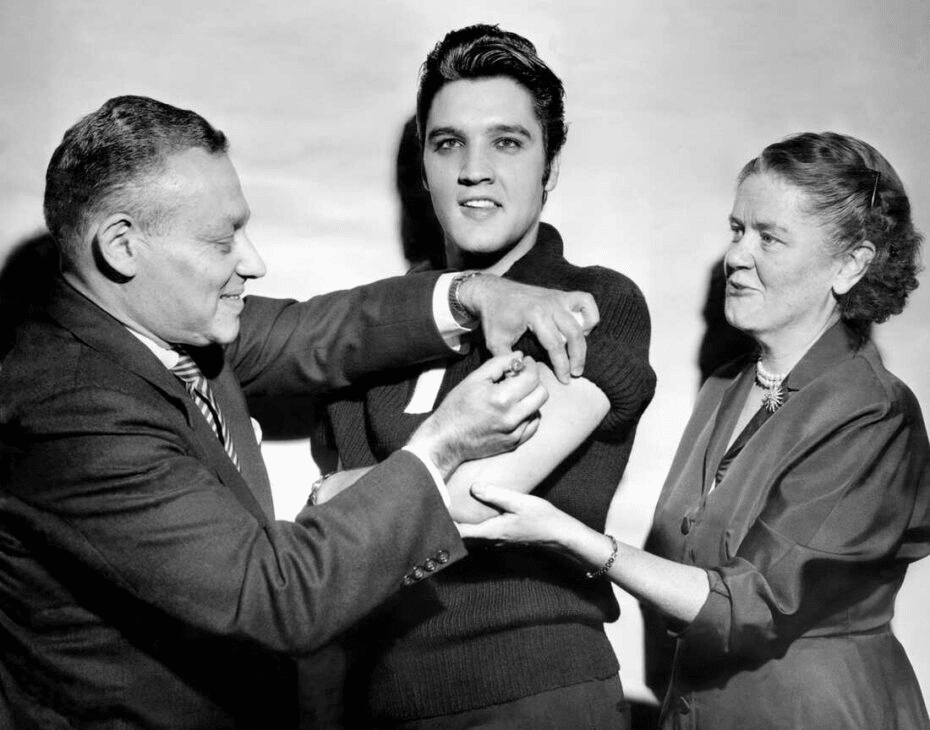
When newspapers started writing about Max Jacobson’s magical treatments, his patient list exploded. It became incredibly difficult to get an appointment, even though he worked almost around the clock and saw 30 people a day. Every Tuesday, he treated seriously ill patients for free.
Jacobson’s nurses taught many clients how to give themselves injections, and the doctor distributed his unlicensed concoctions in vials all over the world. Some patients asked what was in the injections, but Jacobson maintained an aura of secrecy and never revealed the ingredients of his medication.
In 1960, before his first debate with Vice President Richard Nixon, Senator John F. Kennedy was so exhausted he could barely speak. He was referred to Dr. Jacobson, who gave him his first treatment—an injection of a cocktail of vitamins, amphetamine, calcium, and vitamin C. The effect was so fast and powerful that Kennedy and his wife became permanent patients. Jacobson wasn’t just JFK’s trusted doctor, he was also a friend who gave him injections three to four times a week. The Secret Service nicknamed him “Dr. Feelgood,” a moniker that stuck with him for a long time.
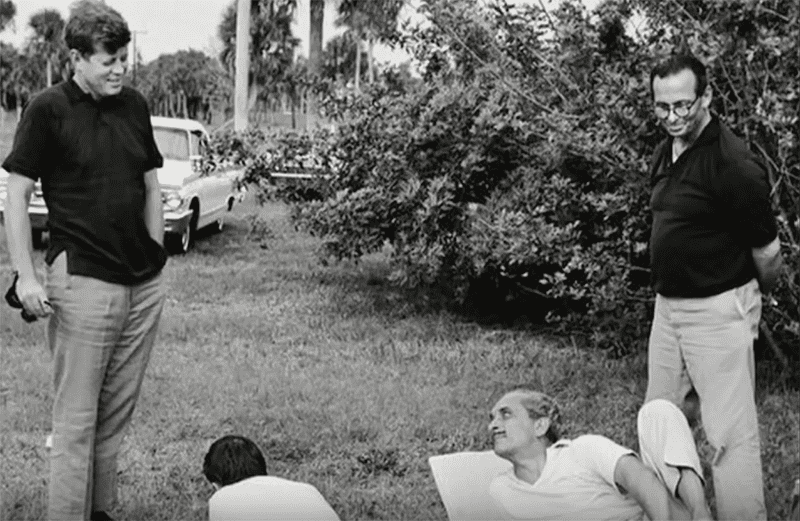
One test of Jacobson’s skills came when the president suffered a severe injury in May 1961. He already had back problems and now could barely walk. The doctor was urgently called to Washington. Jacobson used exercises to strengthen his back and a combination of anti-inflammatory medication, a local anesthetic, and vitamin B12, which he injected near the spine. Jacobson was able to cure Kennedy, and the president was delighted.
However, many in Kennedy’s inner circle were suspicious of the doctor. The FBI and CIA kept files on him. Jacobson’s last meeting with Kennedy took place two weeks before the assassination. After the tragic event, the doctor asked a mutual acquaintance to destroy the president’s medical chart.
Exposure and the End of His Career
During this period, Max Jacobson was living his best life. He lived with his wife and daughter in a large house in Manhattan, and the family moved to an estate on Long Island Beach for the summer. His practice was large and successful, and his name was well-known.
Things went downhill when his wife suddenly died in 1964. She was only 49. There were allegations that her death was caused by an overdose of her husband’s medication. Jacobson tried to regain public trust, but he took an unconventional approach. He started using electromagnetic fields and ultrasound, freezing placentas with liquid nitrogen, and using animal cells. Meanwhile, his patients began complaining of addiction, withdrawal symptoms, and even ruined lives. Several clients died, and the doctor began facing lawsuits.
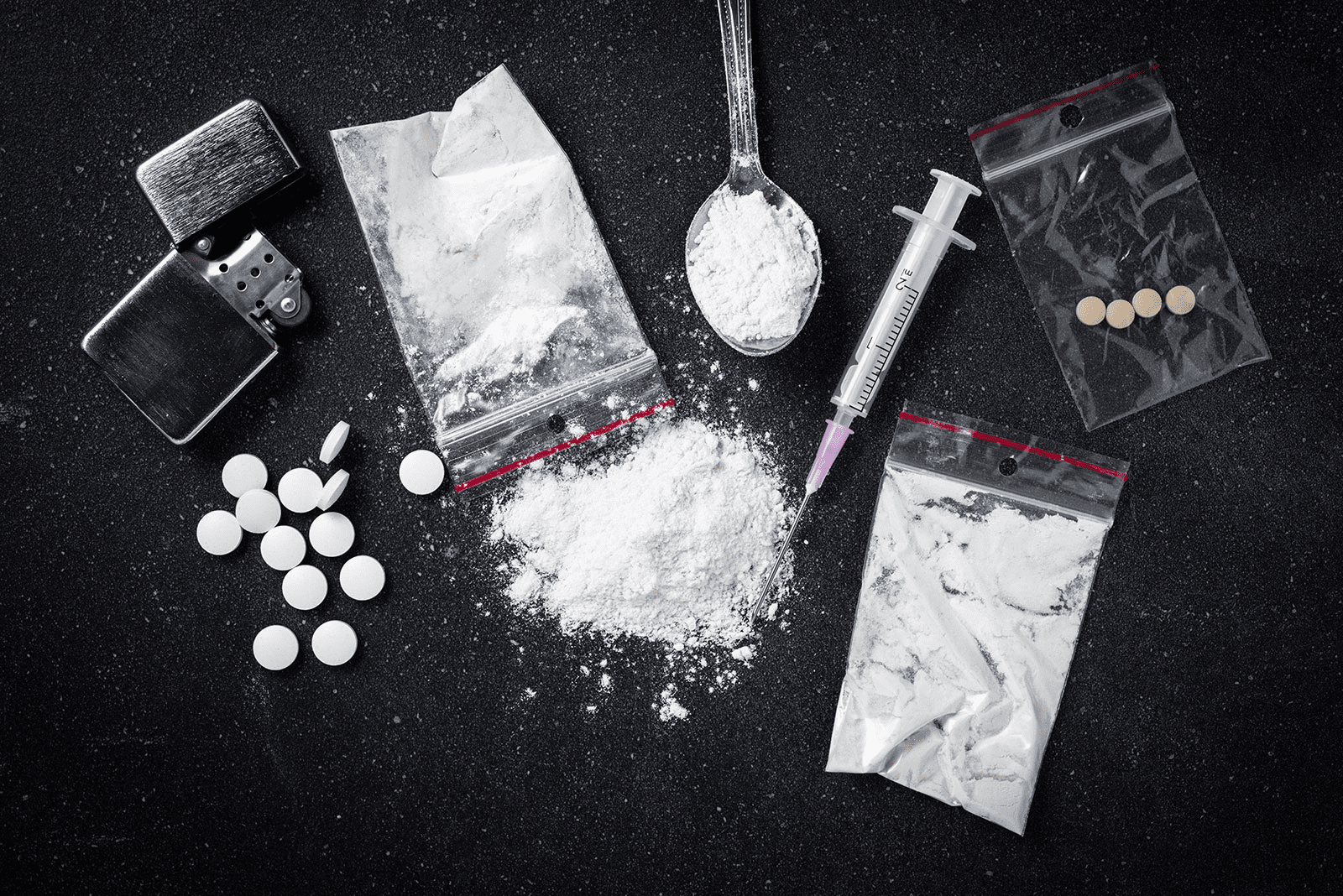
In 1968, the U.S. Bureau of Narcotics and Dangerous Drugs raided Jacobson’s office. They seized a huge quantity of controlled substances, and federal agents questioned the doctor, who had injection marks on his hands. It turned out that the doctor was also injecting himself with methamphetamine.
The investigation into his case, with accusations of professional misconduct, fraud, deception in medical practice, and illegal drug manufacturing, ended with the doctor being found guilty on all counts. In 1975, he was suspended from practice and his license was revoked.
Afterward, Jacobson, who never admitted guilt, worked on his memoirs. He later appealed the revocation of his license, but it was denied. The doctor passed away on December 1, 1979, and was buried next to his second wife and parents.