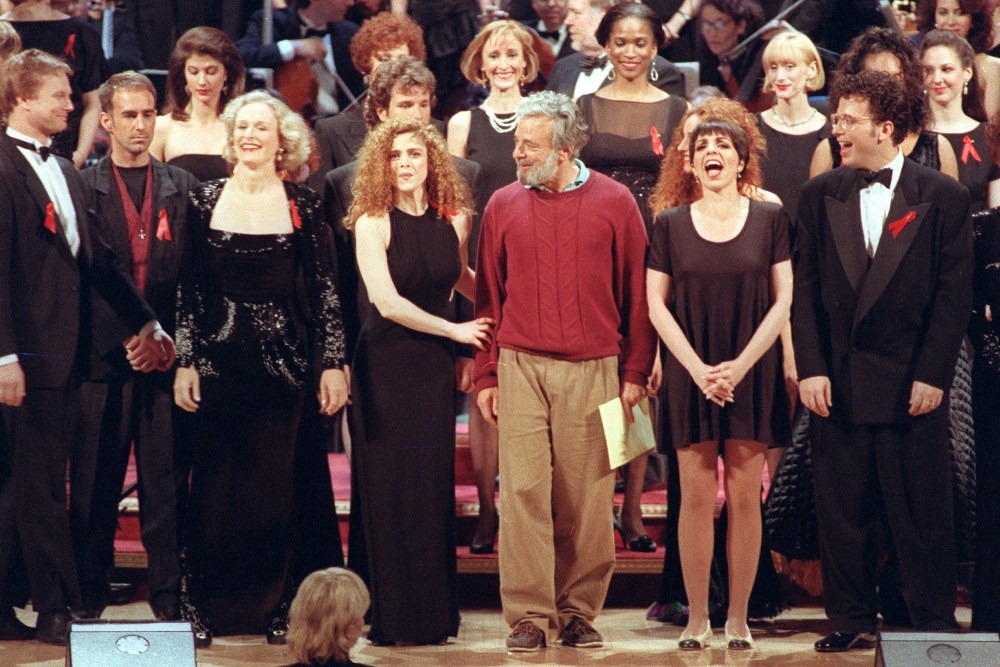

There’s hardly anyone in the world who hasn’t heard of Broadway. The legendary theater district became the ultimate stage for live entertainment, drawing audiences from across the globe. For decades, Stephen Sondheim helped make that magic possible. The gifted American composer and lyricist devoted his entire life to theater, earning a place among the most influential figures in Broadway history. He transformed the New York stage, inspired generations of artists, and became a mentor to countless performers and creators. His brilliance was recognized with some of the entertainment industry’s highest honors, including Tony Awards, Grammys, an Oscar, and the Pulitzer Prize. In this article for i-new.york.com, we take a closer look at the remarkable legacy of Stephen Sondheim.
The Logic Behind the Art
Stephen Sondheim was born in New York City into a wealthy Jewish family. Although his parents were creative and business-minded, they never became true role models for him. His mother designed clothing, while his father manufactured her designs. Until the age of 10, Sondheim’s childhood was relatively comfortable. He spent most of his time surrounded by cooks, nannies, and tutors who cared for him while his parents remained emotionally distant. To make up for their lack of attention, they filled his schedule with lessons and activities. As a result, Stephen excelled in school and developed a wide range of interests. One of them, from an early age, was music. He became a skilled piano player, proudly performing for family guests at gatherings and dinner parties.
But when Sondheim was 10 years old, his parents divorced, and everything changed. His mother grew bitter toward her ex-husband, and Stephen often became the target of her anger. Still, her passionate personality unexpectedly shaped his future in one important way. Drawn to artistic circles, she surrounded herself with creative and influential people. After the divorce, she became friends with the Hammerstein family – a connection that would prove life-changing for her son. After years of moving between schools, Stephen finally found stability in Bucks County, Pennsylvania. Better yet, he became neighbors with the Hammersteins. From that point on, renowned playwright Oscar Hammerstein II became Sondheim’s mentor and father figure. Hammerstein’s son became his close friend, and the family gave him the warmth and support he had long been missing.
Young Stephen had countless talents and passions. He loved movies, books, music, mathematics, and puzzles. Hammerstein helped him bring all those interests together through theater. When Sondheim showed him an early musical he had written about school life, the real education began. Stephen accepted Hammerstein’s criticism with maturity and absorbed every lesson his mentor offered. That was when he discovered what he later described as the logic of art. Inspiration, he realized, mattered far less than discipline, structure, and hard work. Music could be broken down, studied, and rebuilt piece by piece. Armed with that mindset, Sondheim enrolled at Williams College, where he studied under composer Robert Barrow. Barrow reinforced the idea that songwriting and composition were crafts that could be learned and perfected through practice. Sondheim abandoned the romantic notion of the tortured artistic genius and focused instead on mastering technique. The approach paid off. He graduated with distinction, earned a scholarship, and continued his studies with composer Milton Babbitt. Eventually, he faced the greatest challenge of all: finding his own creative voice.
A Meteoric Rise
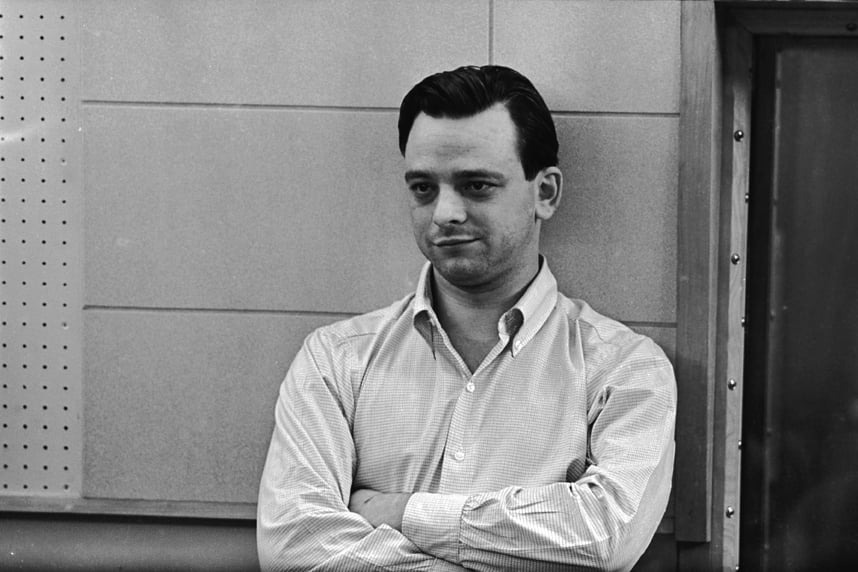
After college, Stephen Sondheim faced the same uncertainty as many young artists trying to break into the industry. Although Broadway was always his dream, he initially took on a variety of projects wherever he could. He worked on television series and films, created crossword puzzles for New York publications, and steadily built his portfolio. His first professional musical, Saturday Night, showed promise but never made it to Broadway at the time. Still, it became an important first step. His second opportunity, however, changed everything. Sondheim’s rise was astonishingly fast. By the age of 24, he had introduced himself to Broadway – and he would remain one of its defining voices for decades. In 1954, Sondheim was hired to write lyrics for West Side Story. Five years later, he did the same for Gypsy. While both productions became major successes, Sondheim himself was not fully satisfied. He wanted to compose music, not just write lyrics – ideally, he wanted to do both. Hammerstein encouraged him to be patient and trust the process.
That breakthrough finally came in 1962 with A Funny Thing Happened on the Way to the Forum, for which Sondheim wrote both music and lyrics. From that point forward, he worked almost exclusively in that format. Nearly every production he touched became a Broadway sensation. Still, some of his most groundbreaking work came through his collaboration with director Harold Prince. Over the years, the pair became one of the most celebrated creative partnerships in Broadway history. They trusted each other completely, rarely interfering in one another’s work and instead encouraging bold artistic risks. Their goal wasn’t simply commercial success – they wanted to elevate the artistic standard of Broadway itself. The formula worked brilliantly. Their first collaboration, Company, won multiple Tony Awards. The next, Follies, earned seven more. Productions like A Little Night Music, Pacific Overtures, and Sweeney Todd cemented Sondheim’s reputation as one of theater’s most daring innovators.
Sondheim later won the Pulitzer Prize alongside collaborator James Lapine for Sunday in the Park with George. Throughout his career, he collected countless awards, rave reviews, and critical acclaim. But his impact extended far beyond Broadway. Several of his songs became famous outside the theater world, particularly Sooner or Later, which earned him an Academy Award. Many of his works also found new life on screen and in revivals around the world. Film adaptations such as West Side Story and Sweeney Todd: The Demon Barber of Fleet Street became cultural landmarks in their own right.

A Distinct Creative Style
Oscar Hammerstein II was the first person to truly recognize Stephen Sondheim’s creative potential. More than a mentor, he became a father figure who guided the young composer into the world of theater. Under Hammerstein’s influence, Sondheim began exploring both his artistic abilities and the mechanics of stage production. Hammerstein famously gave Sondheim a series of writing exercises designed to teach him every aspect of musical theater. By the age of 22, Sondheim had completed them all. Along the way, he carefully absorbed every lesson his mentor shared. Even as a teenager, he understood theater on a remarkably deep level, both in theory and in practice. At 17, Sondheim gained firsthand access to Hammerstein’s creative process behind the scenes, an experience that inspired him even further. By the time he entered college, he already possessed an extraordinary foundation in musical theater. While Hammerstein introduced him to the fundamentals, Sondheim’s later teachers helped him define what art personally meant to him. Their highly analytical approach to creativity perfectly matched the way Sondheim viewed music himself.
At the heart of Sondheim’s work was what he called “organizing chaos.” Although he had loved music and writing since childhood, he also had a deeply mathematical mind. He was fascinated by the realization that composing music often resembled solving a complex puzzle. Fortunately, that was something he excelled at. Sondheim approached every project by breaking it into smaller parts – themes, structure, rhythm, emotion, language. Once all the pieces fit together in his mind, the result became something extraordinary. For him, structure was a way of bringing order not only to art, but also to life itself.
Many critics credit Sondheim with ushering in a new era of Broadway, and the claim is well deserved. He was never interested in repeating what others had already done. While he deeply respected his mentors, he also openly acknowledged the limitations of earlier musical theater traditions. Innovation became the foundation of his career. Entertainment alone was never enough for Sondheim. His productions challenged audiences intellectually and emotionally. Through his work, viewers explored unfamiliar ideas, experienced complicated emotions, and learned to think differently. Sondheim’s musicals were sophisticated, layered, and deeply intelligent. Yet despite their complexity, no two productions felt alike. He constantly pushed himself into new creative territory. For audiences eager to grow alongside the art form, Sondheim was a genius. For casual theatergoers, his work offered something fresh and unexpected. Either way, critics, fellow artists, and theater experts overwhelmingly agreed on one thing: Stephen Sondheim changed the game.
The “Unpopular” Sondheim
In many ways, Sondheim’s work reflected his personal life. Although he never created overtly autobiographical productions, traces of his thoughts and experiences could easily be found in his lyrics and music. In fact, his decision to pursue songwriting was partly shaped by the loneliness and emotional hardship of his childhood. His early years were marked by instability: his parents’ divorce, his mother’s cruelty, his father’s absence, and constant moves from place to place. Stability was hard to find. As a result, Sondheim retreated into hobbies, education, and eventually creativity itself. He quickly realized that structure, routine, and discipline gave him a sense of security. Through writing and composing, he could organize emotions that otherwise felt overwhelming.
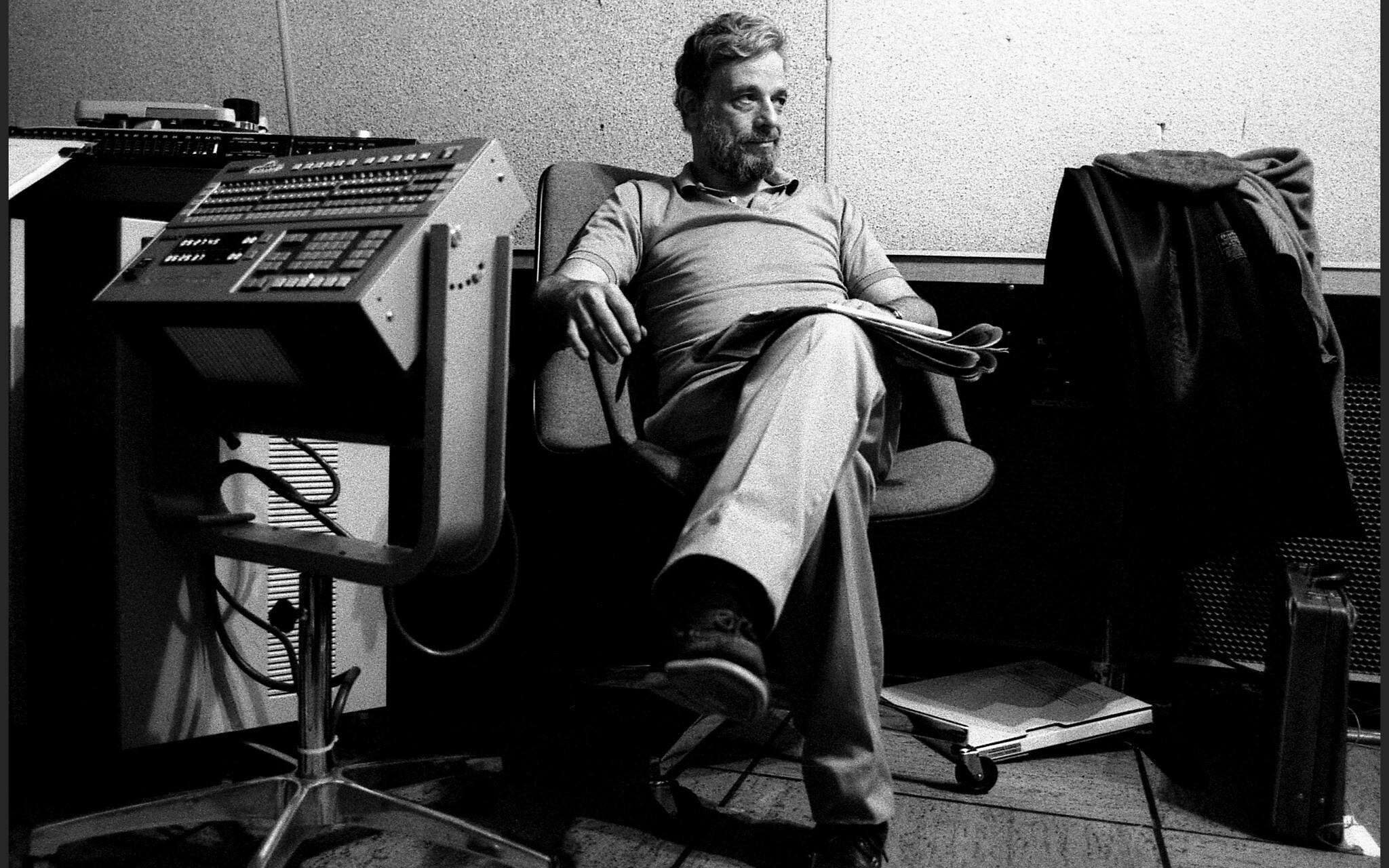
As an adult, Sondheim never abandoned those habits. He remained an introvert who nevertheless craved connection with others. As he once explained, theater appealed to him because it created a sense of shared experience. He loved watching the collaborative process behind a production and seeing audiences react to his work. Yet he preferred writing in complete solitude. His ideal workspace was the study in his New York apartment or his country home, where he could immerse himself fully in the creative process for hours — sometimes all night long. Even then, routine remained essential. Sondheim liked knowing that the next day would unfold in the same familiar rhythm, with work waiting for him once again. He was unquestionably brilliant, but also famously complicated. In many ways, he embodied the very qualities found in his musicals: intellectual, layered, sharp, and endlessly intriguing. Journalists often noted how open he seemed in interviews while still revealing surprisingly little about himself. He was known for witty, razor-sharp answers that could leave interviewers both impressed and slightly bewildered.
From the very beginning of his career, Sondheim understood that he would never be a mainstream artist. His personality and artistic tastes simply did not allow for it. And he accepted that reality. Even after revolutionizing Broadway and becoming one of its most legendary creators, he never viewed himself as truly popular. His mission was never about collecting fans. Sondheim was an innovator who defended his artistic vision throughout his entire life. He amazed audiences with a depth and complexity that many people never fully understood. In the end, Sondheim often described himself as a boy who never quite grew up. And despite all his achievements, he made peace with both solitude in life and a certain distance from mainstream popularity.