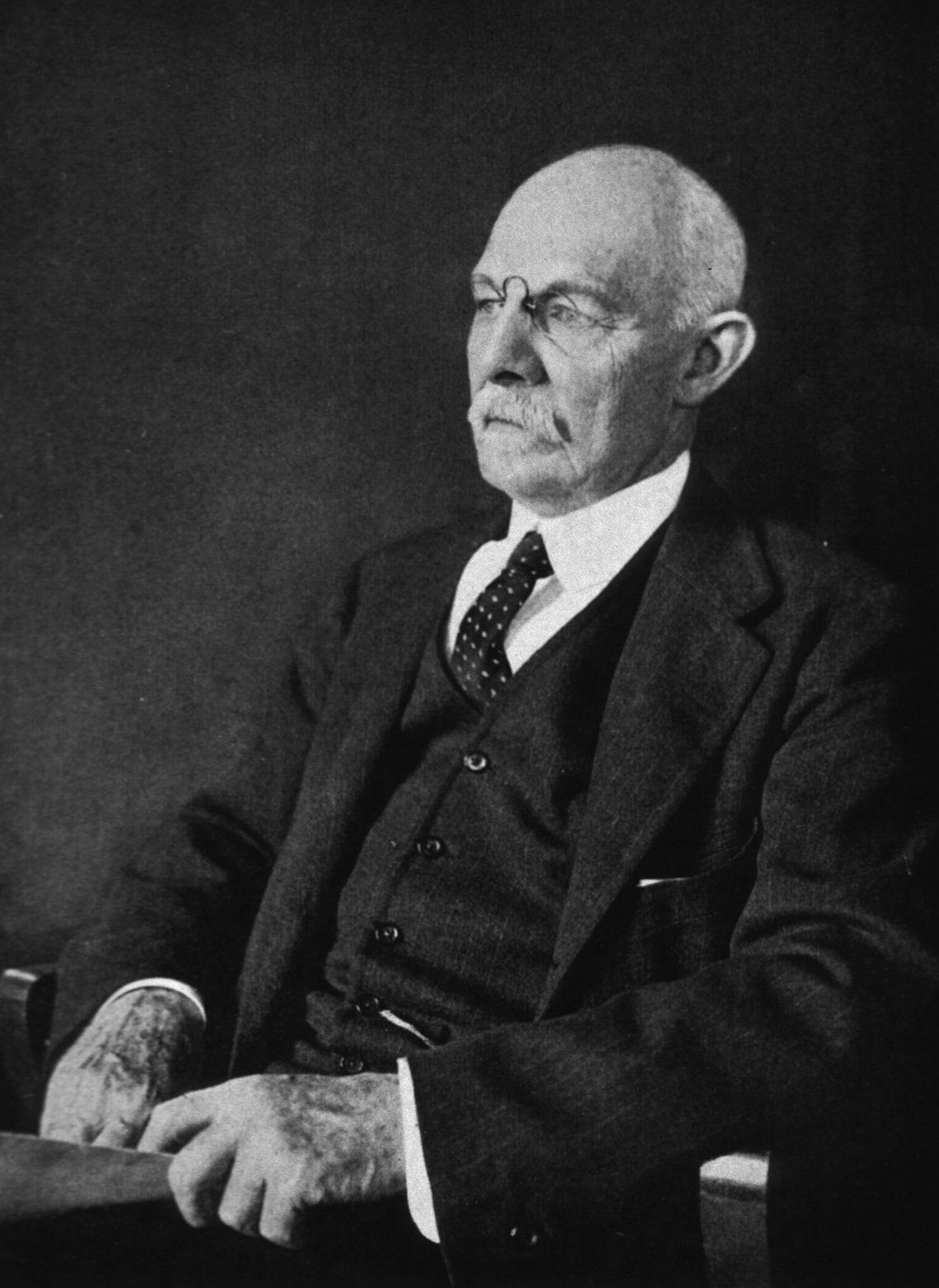

William Stewart Halsted was one of the most promising surgeons in America of his time. Read more at i-new-york.
For six years, he worked at six different hospitals in New York and taught popular classes at night. Thanks to his efforts, surgery evolved into a meticulous, sterile art. This refined and intellectual young man, often seen with a mustache and a top hat, had a boundless and somewhat untamed curiosity about life.
Halsted was one of the legendary figures of surgery. In the words of John Cameron, his contributions were “astounding.” His innovative surgical techniques influenced doctors in fields as diverse as breast cancer treatment, hernia repair, intestinal anastomosis, and internal fixation of fractures. He was one of the first American advocates of aseptic surgery. Among his innovations were surgical gloves and local anesthesia.
His enduring contribution is the surgical training model he created at Johns Hopkins Hospital. Halsted’s independent thinking, scientific knowledge, and sound reasoning remain the foundation of modern surgical practice.
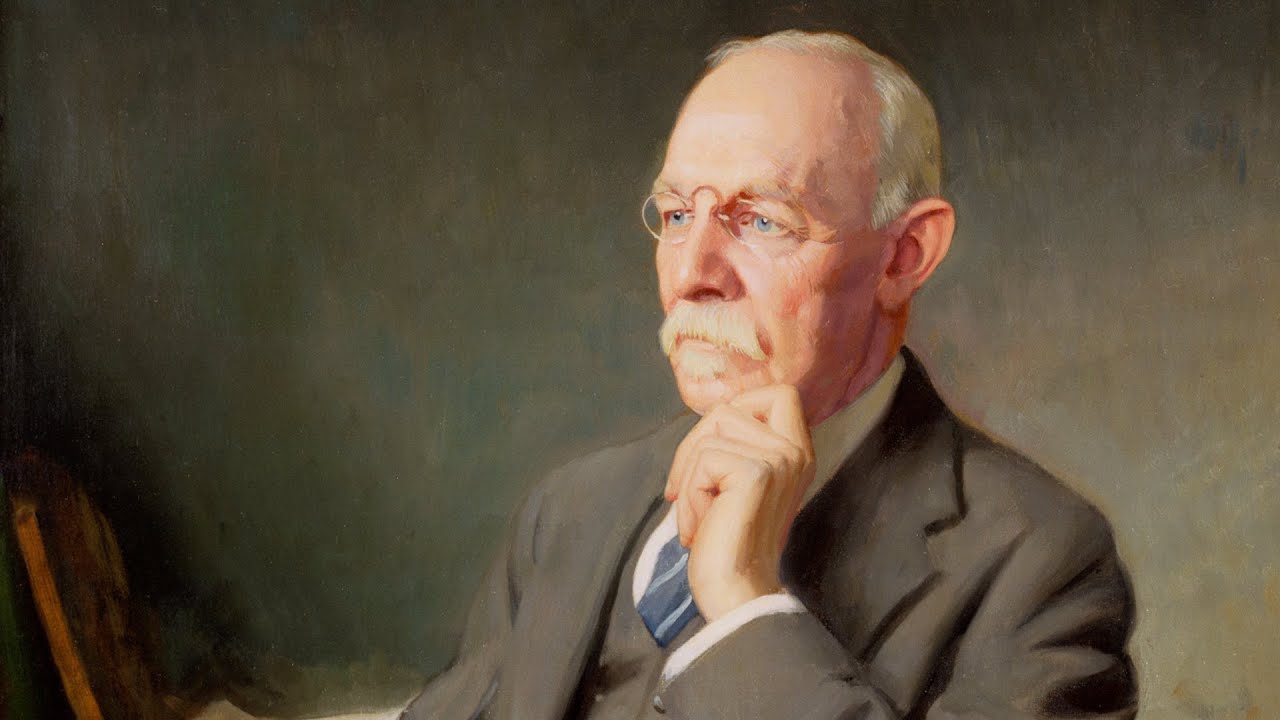
The Future Surgeon’s Youth
William Halsted was born on September 23, 1852, in New York. His mother was Mary Louisa Haines and his father was William Mills Halsted Jr. He was the eldest of four children. His father was a businessman with “Halsted, Haines and Company,” a dry goods supplier.
William Halsted’s family was of English descent and very wealthy, owning two homes in New York State. One of their homes was on Fifth Avenue in New York City, and the other was an estate in Westchester County, New York. Although Halsted was raised as a Presbyterian, he was an agnostic in adulthood.
He was homeschooled until the age of 10, then attended private preparatory schools in Monson, Massachusetts, and Phillips Academy in Andover. Before entering Yale University, Halsted returned to New York for private lessons in Latin and Greek.
In his final year of university, his interests shifted to medicine. At that point, he decided that medicine was his calling. After university, Halsted returned to New York to enroll in the College of Physicians and Surgeons.
With natural talent and an inventive mind, Halsted had the opportunity to study under the city’s leading physicians. Despite being a year short of graduation, he passed the internship exam at Bellevue Hospital in New York. He performed so well that he was offered a position at the hospital.
After a year at a New York hospital as a resident physician, Halsted completed all the formal training available in America. Thanks to his family’s financial resources, Halsted sailed in 1878 to continue his medical education in European centers of surgery and gain new knowledge in medical science.
In Vienna, Würzburg, Halle, and Hamburg, he studied under some of the most prominent figures in the history of medicine, such as Zuckerkandl, Billroth, and Volkmann.
Early Career
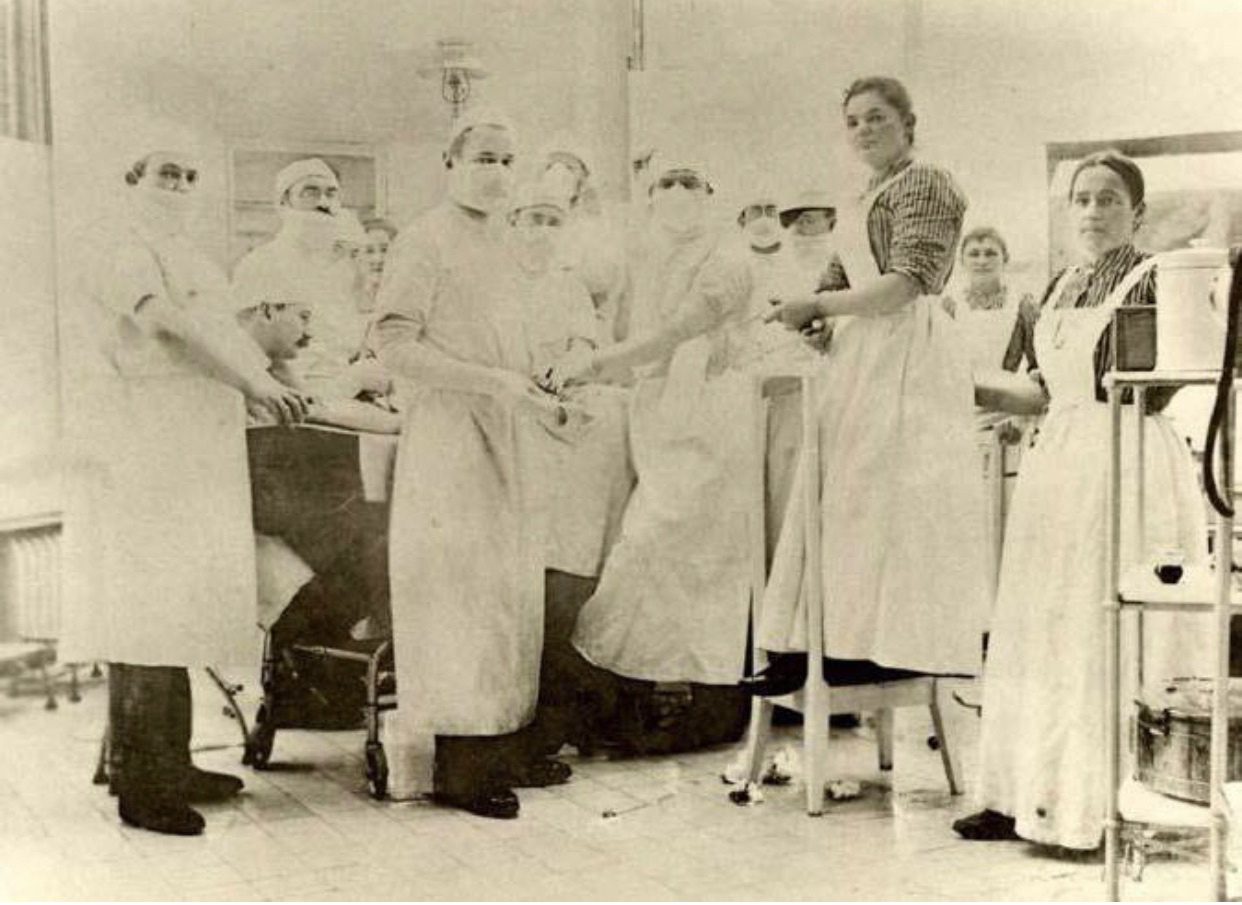
After two years abroad, Halsted returned to New York, where he had an exceptionally successful practice at Roosevelt Hospital in 1880. His dispensary became so efficient that it operated seven days a week. The heavy workload prompted the hospital’s trustees to build a separate building for outpatient services.
At Bellevue Hospital, a tent-like surgical pavilion was built for him so he could perform antiseptic surgeries.
Not one to rest on his laurels, Halsted became the head of surgery at the Emigrant Hospital on Ward’s Island. As a visiting surgeon at Charity Hospital on Blackwell’s Island, he performed operations at night due to his daytime commitments.
At the same time, Halsted conducted regular review sessions for students, known as “quizzes,” to prepare them for internships at medical institutions. He also wrote articles for the New York Surgical Society. In 1882, despite his busy schedule, Halsted found time to care for his sick mother.
In 1884, just four years into his active career, Halsted read an account of the effects of cocaine in a report from a meeting of ophthalmologists in Heidelberg, which was mentioned in a medical journal. He began experimenting with the drug, and his profound knowledge of anatomy allowed him to accurately anesthetize peripheral nerves.
During this work, he became psychologically and physically dependent on cocaine, an addiction that would plague him for the rest of his life.
He tried to break his addiction by taking a two-month sailing trip to the Leeward Islands. Unable to overcome his addiction, he even managed to break into the captain’s stores to get more of the prohibited drug. At his family’s insistence, he was admitted to Butler Hospital in 1886 for a seven-month stay. At the facility, they managed to wean him off his cocaine addiction by giving him morphine injections.
Surgical Education
While in Europe, Halsted observed more structured training programs. Many believe his time in Europe was the source of his concept for surgical training.
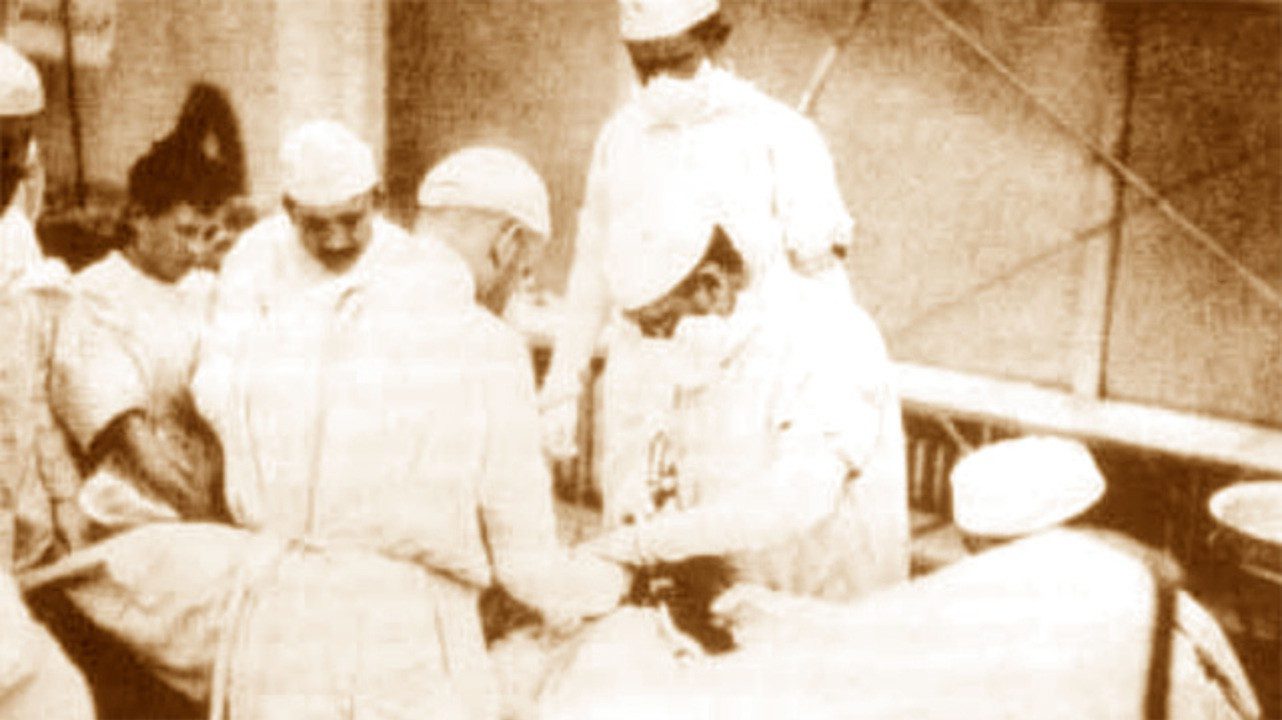
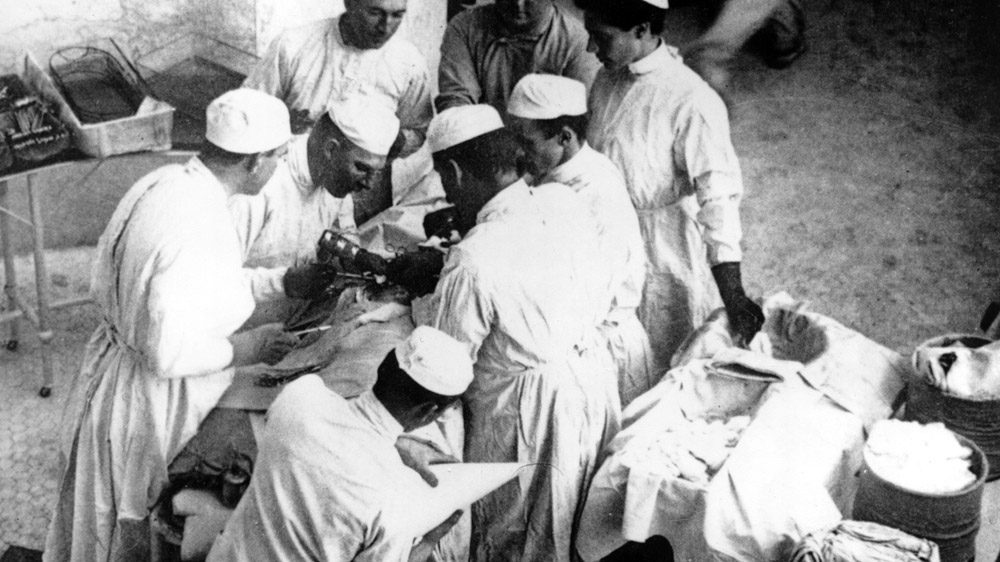
Shortly after his promotion to chief surgeon at Johns Hopkins Hospital in 1889, Halsted organized the first surgical training program in the U.S. He was uncompromising in his standards.
Trainees were required to be available 24 hours a day, seven days a week. This literally meant they had to live at the hospital and be unmarried. Only men were accepted into the residency. There was no set duration for the training. When Halsted saw that a trainee was ready to practice, that person’s lecture part of the training was over.
A key feature of Halsted’s system was “graded responsibility.” He established a hierarchy of junior assistant residents, assistant residents, and finally a single trainee called simply “the resident,” second only to Halsted, who stood at the top. As trainees advanced, they took on greater responsibility. Not every trainee started as a junior assistant resident, and promotion was not guaranteed.
Halsted selected only the best candidates for residency, and most importantly for him, only the best finished the program.
What Was the Surgeon Like?
It has been suggested that Halsted was a homosexual.
At the age of 40, he married a simple woman who wore men’s clothing. In their large house, he and his wife had separate apartments.
At the hospital, Halsted was rigid, painfully shy, withdrawn, unapproachable, often harsh, sarcastic, and even cruel. This was the only side students, residents, and most others saw. But with a few close friends, he was charming, lively, and had a good sense of humor. The surgeon also enjoyed vacationing at his farm as an adult, where he was a good host.
Since his death in 1922, more than 80 articles and 3 books have been published about this man, whose place in the pantheon of surgeons is generally considered on par with Joseph Lister and Theodor Billroth, and not far behind John Hunter. But despite his popularity and fame, some aspects of his life remain shrouded in mystery or obscured.