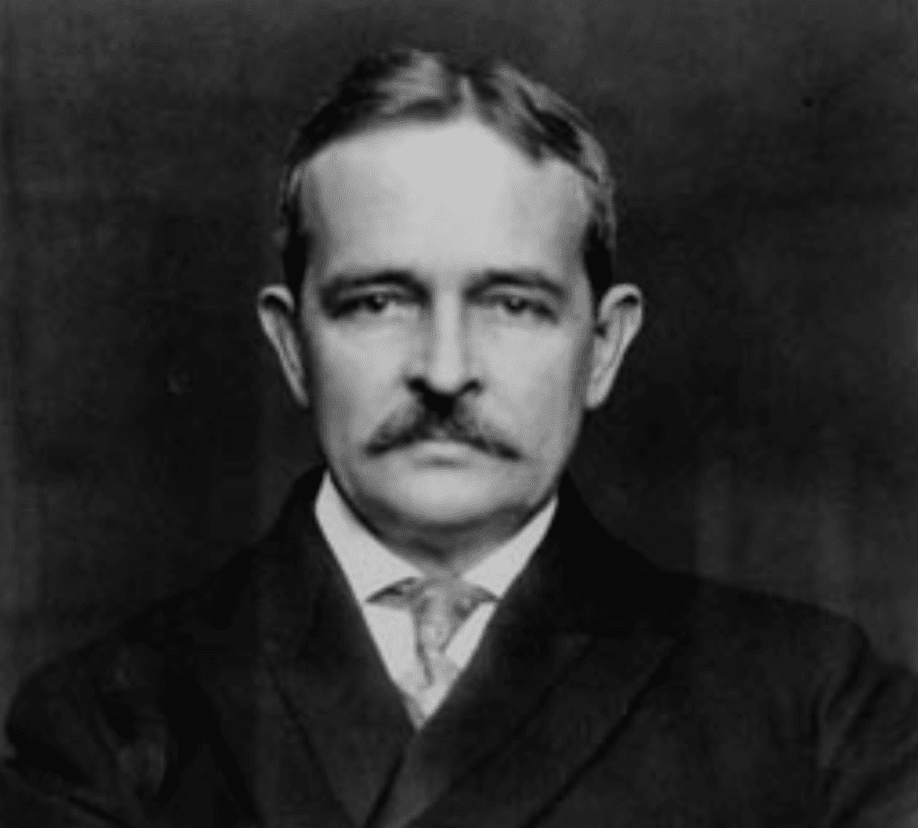

New York is an incredibly rich city, and innovation and research in the field of medicine are one of its greatest achievements. One of the major contributors in this sphere was Robert Abbe, a renowned plastic surgeon and radiologist of the 19th century. It was he who first proved that cheiloschisis or ‘harelip’ is curable, as well as that cancer can be treated through radiation therapy. Read more at i-new-york.com.
A brief biography of Abbe
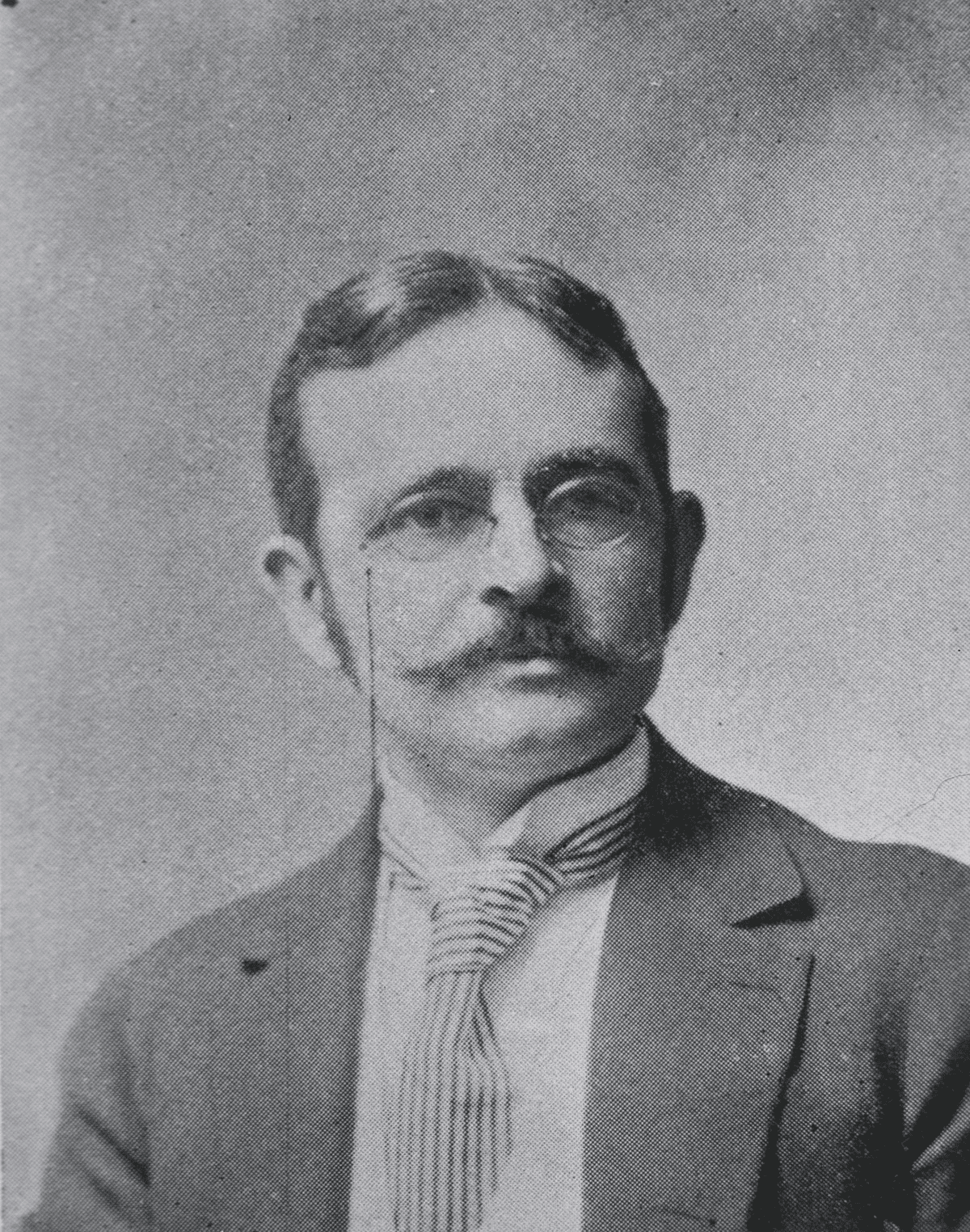
The future prominent American surgeon Abbe was born in New York in 1851. His life was closely related to medicine from his birth. In particular, his grandfather was a well-known doctor in Connecticut, which inspired the boy to continue his grandfather’s remarkable work.
In order to advance in his medical career, Abbe enrolled in the College of the City of New York, where he obtained a bachelor’s degree in liberal arts. After that, he received medical education at Columbia University. Abbe’s career then began to skyrocket.
Plastic surgery and Abbe
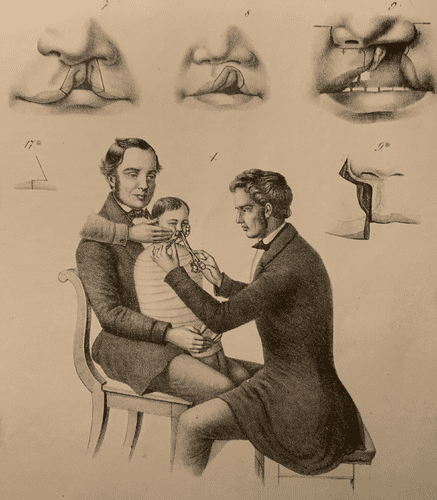
Abbe began his medical career at New York Hospital, following which he worked at St. Luke’s Hospital, Roosevelt Hospital and Morgan Stanley Children’s Hospital. During this period, revolutionary innovations have been made in plastic surgery. By the second half of the 19th century, this branch of medicine was in its early stages. In particular, Abbe made a colossal breakthrough in the surgical treatment of cleft lip and palate, also known as ‘hare lip.’
Abbe spent a long time developing ground-breaking surgical approaches for addressing this congenital defect. It should be noted that before his research, it was believed that cleft lip and palate could not be cured. Abbe’s therapy method not only improved the appearance of patients but also regained their ability to speak and eat normally. His pioneering work in this field made him globally recognized.
Study of radiology
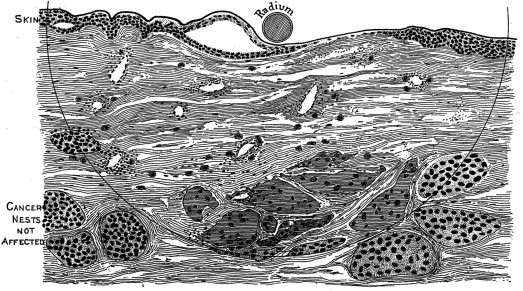
In addition to plastic surgery, Abbe took an interest in radiology. At the beginning of the 20th century, he met the renowned radiologist of that time, Marie Curie. He even visited her laboratory in Paris in 1904. From that moment on, he became very curious about radiology and joined Curie’s research. While in France, he thoroughly studied radium for medical use, radiation and X-rays. Upon returning to New York, he introduced radiation therapy, specifically for cancer treatment. It was Abbe who founded the science of radiation oncology.
Abbe also claimed in his research that tobacco is the main cause of cancer. So, already in the early 20th century, he spoke out against tobacco use and smoking. He noted that more than 100 cases of cancer are found among smokers.
Apart from his exceptional achievements in surgery and radiology, Abbe actively supported the medical society. He was the president of the New York Academy of Medicine and played a key role in its development. His leadership and commitment to the promotion of medical education left an indelible mark on American medicine.
Abbe was also an outstanding mentor. Many surgeons of the early 20th century were trained under his guidance. He instilled in them values, accuracy, compassion and an unwavering pursuit of medical excellence.
Undoubtedly, throughout his career in medicine, Abbe tremendously contributed to the development of surgery and radiology in New York. For his accomplishments, he won numerous prestigious and highest awards.
Life beyond medicine

From a young age, Abbe was a very inquisitive and multifaceted person. He was extremely fascinated by archaeology and even set out on long journeys to collect various Indian and archaeological artifacts. He amassed a unique collection of exclusive exhibits. The collection was so large that Abbe decided to create a museum.
Besides archaeology, Abbe was fond of photography and drawing pictures. He also created sketches and drew real maps. These diverse hobbies characterize Abbe as an incredibly interesting, versatile and captivating personality.
A tragic death
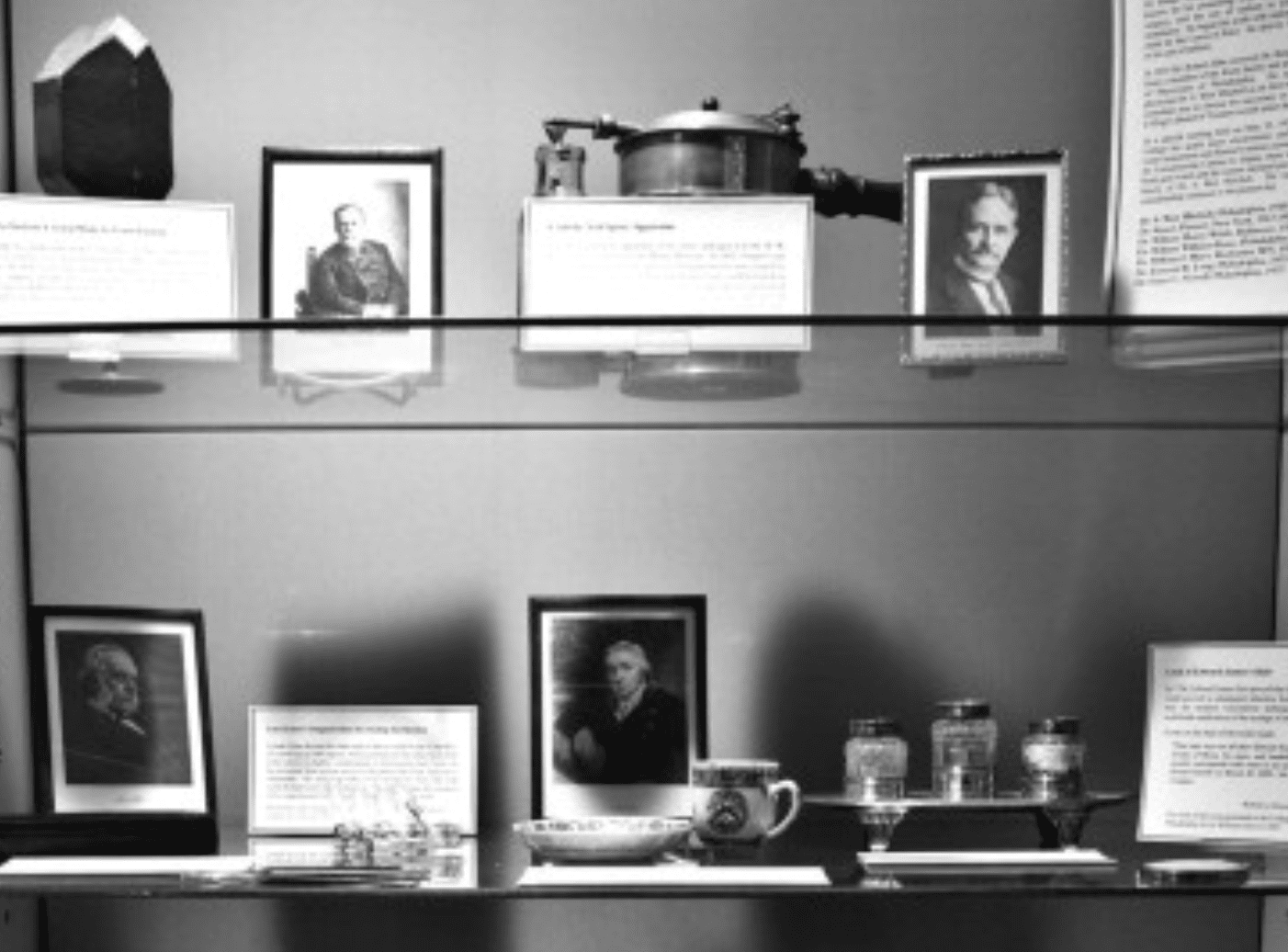
Abbe dedicated his whole life to medicine, which perished him in the end, specifically his research in the sphere of radiology. Abbe passed away in 1928 at the age of 76 as a result of anemia, likely caused by radium, which he studied in the 1900s.
The life of New Yorker Robert Abbe is a fascinating chapter in the history of American medicine in the late 19th and early 20th centuries. His innovative surgical techniques and work in radiology, cancer treatment and plastic surgery profoundly influenced medicine in New York and around the world. Modern treatment of cleft lip and palate, as well as cancer therapy, are based exactly on his early research. In the 21st century, his legacy continues to inspire surgeons and medical workers worldwide. It reminds them that commitment, innovation, and compassion can lead to revolutionary contributions in healthcare.