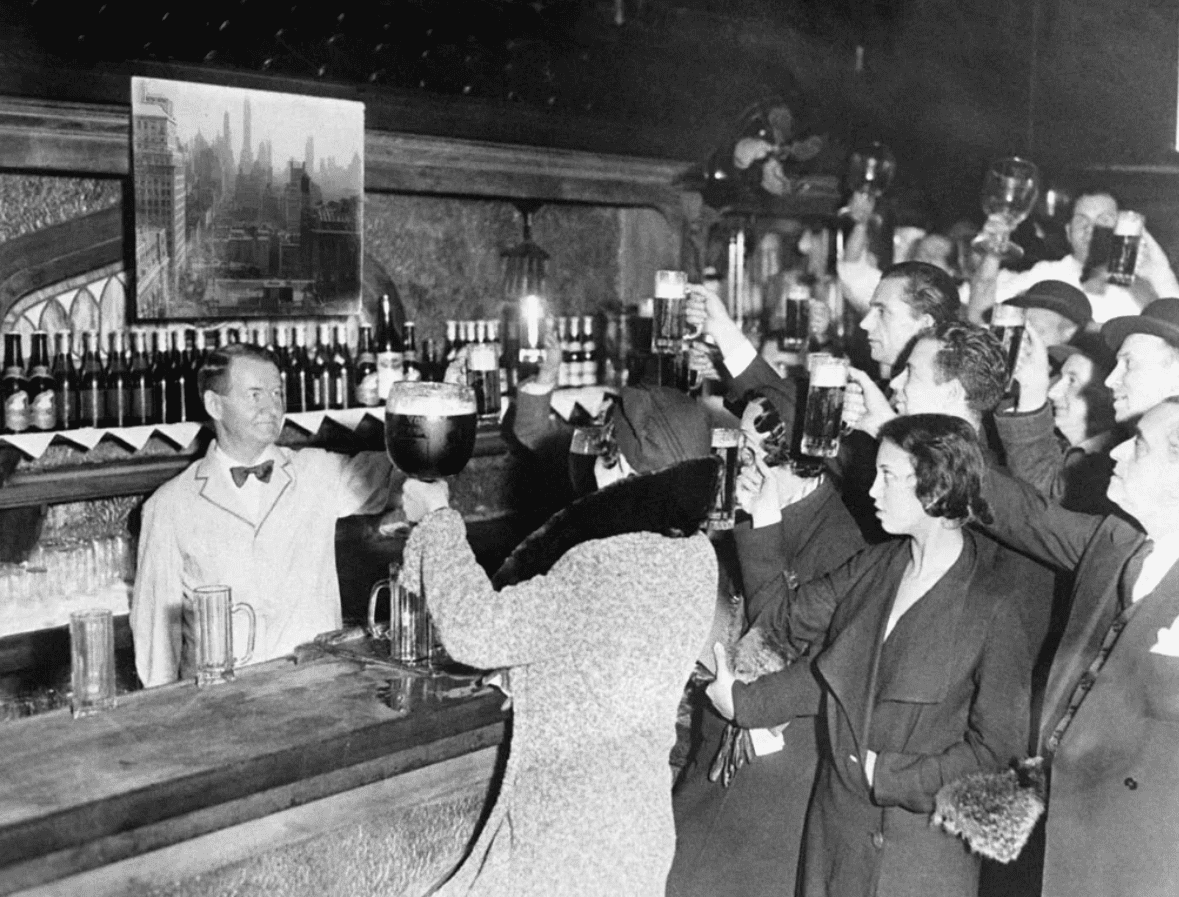

Major events have always revolved around New York. So, at the turn of the twentieth century, the United States government introduced Prohibition, a ban on the manufacture, sale and transportation of alcoholic beverages. Nonetheless, despite the ban, the distribution of alcohol did not stop. The history of the spread of alcohol in New York during Prohibition is a fascinating topic that everyone should be aware of. Learn more at i-new-york.com.
Social experiment
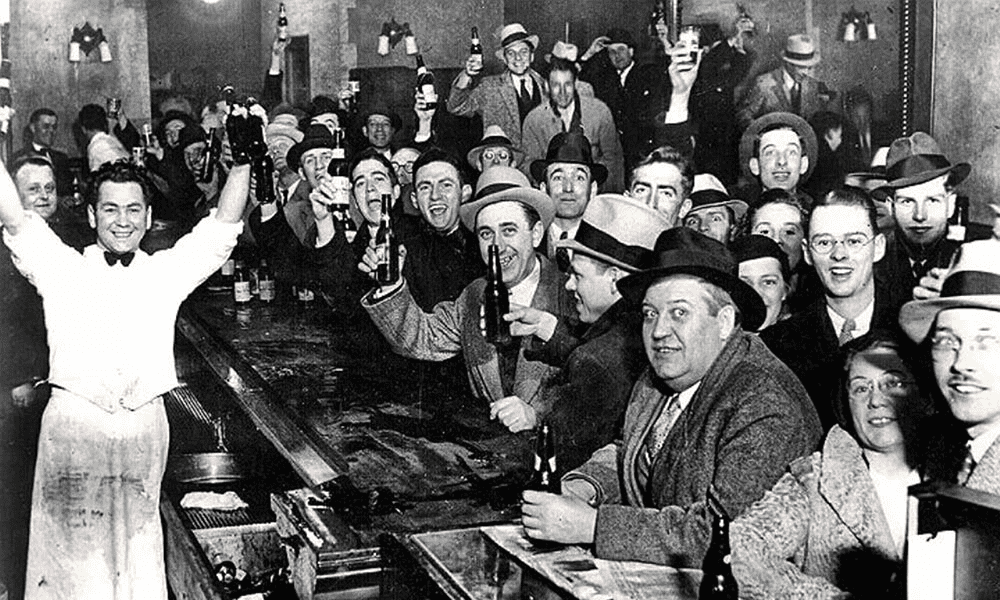
In its own way, Prohibition was a social experiment aimed at reducing crime, corruption and the harm caused by alcohol. This event sparked significant debate among citizens across the country. Some people considered Prohibition as a moral achievement, while others saw it as an infringement on human freedom. At the same time, New York, the epicenter of many viewpoints, cultures and ideologies, became the battleground of the ideological conflict of that era.
Was alcohol available in New York during Prohibition?
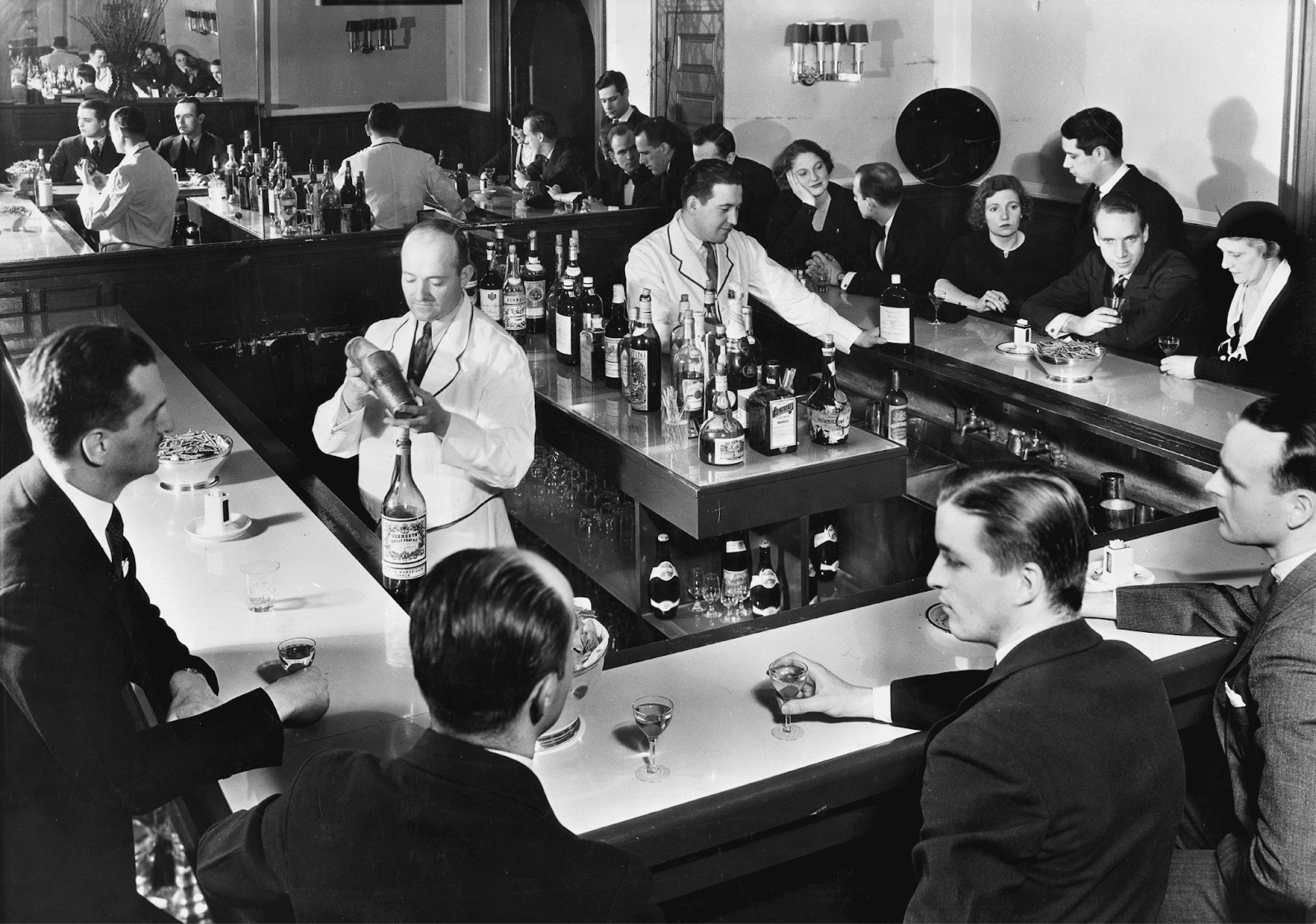
Most people in New York City during Prohibition supported the idea that personal freedoms were infringed upon by the ban on alcohol. That is why, for many years, there was a basement manufacturing of alcoholic beverages in New York. Before that, the city had a vast network of secret establishments that served alcohol. These establishments were known as speakeasies.
Speakeasies existed for the reason that New Yorkers loved drinking so much. Despite Prohibition, people of the city were willing to face risks in order to get a taste of their favorite drink. Speakeasies were hidden bars that operated behind closed doors. Additionally, those in charge of them had strong ties to the city’s organized crime. In the early twentieth century, such hidden alcoholic establishments were usually found in New York City basements. Furthermore, many people disguised the unlawful sale of alcohol as a legal business. Such a scheme could last for a few years. Getting into these kinds of places was generally not simple for New Yorkers. After all, in order to experience the taste of your favorite alcoholic beverage, you had to knock on the door and provide the password. Only then were New Yorkers able to enter a world of joy, music and, of course, alcohol.
Despite their careful disguise and secrecy, some of these underground pubs were discovered and shut down during Prohibition. However, one of these institutions of the time managed to endure. It was the 21 Club, a glamorous establishment for New York’s elite. For many years, the 21 Club pretended to be an ordinary restaurant. Despite the prohibition of alcohol, the 21 Club became a symbol of defiance throughout that time period. Celebrities, the city’s elite, politicians and other city figures came here in secret.
How did alcohol get to secret bars?
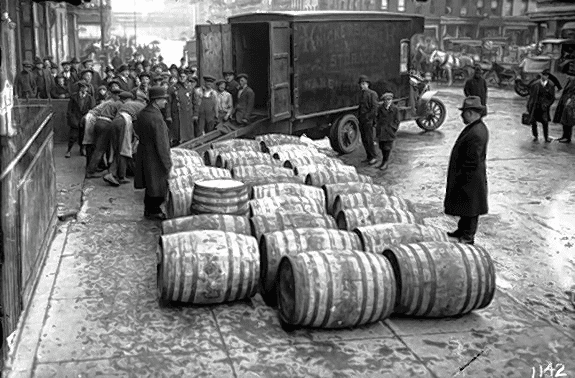
Prohibition lasted thirteen years. In light of this, the following question arises: “How were speakeasies supplied with alcohol for so long? After all, it was impossible to keep an infinite supply of alcohol in bars.” The answer to this question is bootleggers. These people were professionals in their field, and while speakeasies provided the demand, bootleggers supplied the alcohol. Bootleggers used ingenious methods to smuggle alcohol throughout New York. During Prohibition, they built a massive network of urban tunnels. Alcohol was frequently moved around the city by bootleggers in vehicles with hidden compartments or double-bottomed suitcases.
The driving force behind all the bootlegging in New York was Frank Costello, better known as “The Prime Minister of the Underworld”. He was in charge of every New York bootlegger and the distribution of alcohol to secret bars.
Effects of Prohibition in New York
The US government anticipated that introducing Prohibition, would rid society of unhealthy habits and reduce crime rate. In reality, however, the government experienced an unparalleled rise in organized crime. The ban spawned even more cruelly, so more organized crime syndicates appeared and transformed street thugs into powerful bandits. Not only did a number of gangster groups appear and supply alcohol to New York’s secret bars, but they also started to fight for complete control over alcohol. All of this was the result of a rapid increase in violence and crime in New York.
One of the main gangsters who massively destroyed competitors (Irish) in the alcohol business was Al Capone. He gathered and armed a large group of militants. As a result, almost 500 bandits were killed in the second half of the 1920s. Ultimately, though, Al Capone’s fight for control and his illegal alcohol distribution earned him life imprisonment.
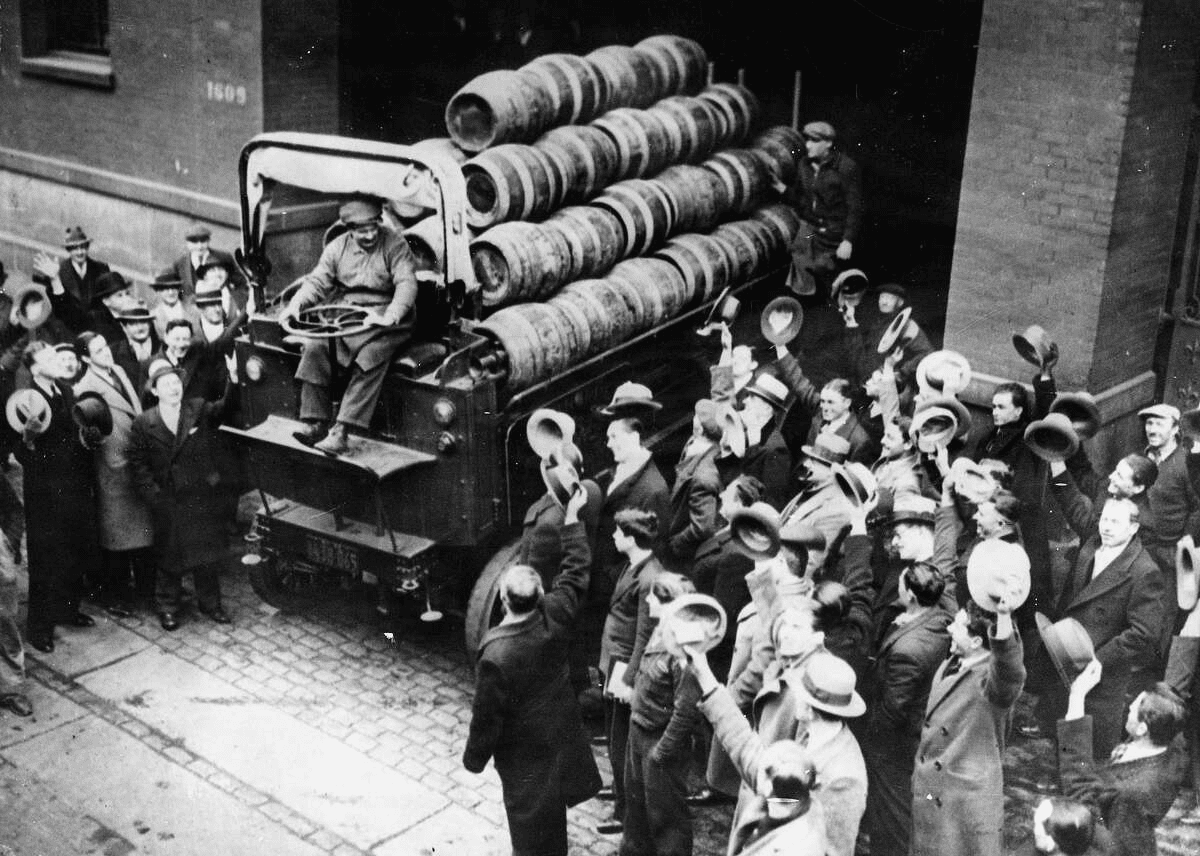
Despite the efforts of the US government, Prohibition proved to be a utopian concept. The ban did not solve society’s problems but rather created new ones. As a result of Prohibition, New York and other American cities saw a boom in organized crime, corruption and the underground market for alcohol. 1933 marked the end of Prohibition and the start of the legal sale of alcohol. The conflict of mafia groups for control of alcohol ceased at this moment, and illegal and formerly noisy pubs became less appealing to city inhabitants.