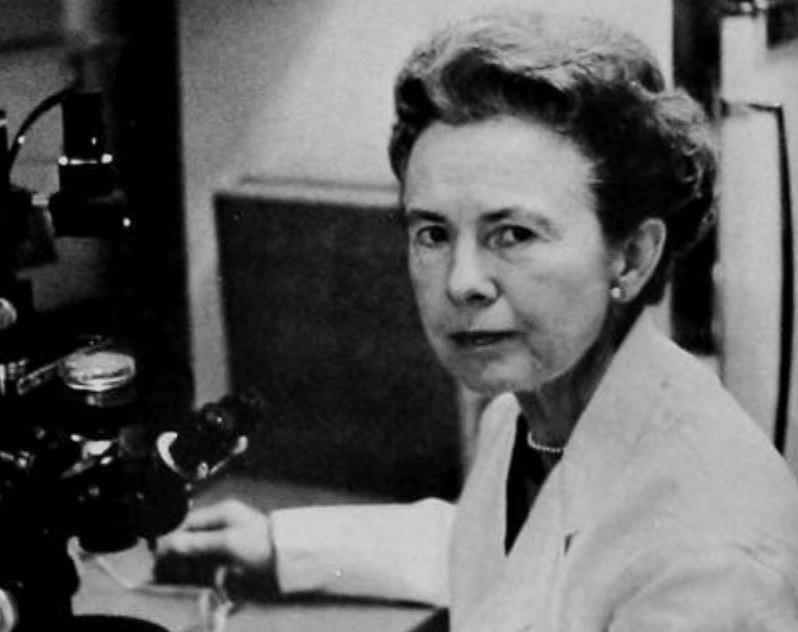

The history of New York is very eventful and diverse. Over the years, it has been shaped by various individuals, including politicians, developers, innovators, entrepreneurs, scientists and doctors. This long list includes one name that has made a profound impact in the field of medicine in New York. It is Hattie Alexander, a renowned American doctor and microbiologist. Through her diligent work, the world received an in-depth insight into life-threatening diseases. In particular, her extensive studies on the causes of meningitis have greatly affected medicine not only in New York and the United States but also worldwide. Find out more at i-new-york.com.
A short biography of Hattie
The future doctor of medical sciences was born in 1901 in Baltimore, Maryland. While still in school, Hattie was a bright learner. She especially was interested in the natural world. Eventually, this interest and curiosity in natural sciences led her to a medical career.
She graduated from Goucher College in Baltimore in 1923 with a bachelor’s degree in physiology and bacteriology. Just a few years later, in 1930, she received her M.D. from Johns Hopkins University. For a woman of that time, it was quite challenging to get such a high rank in the field of medicine. But despite all the difficulties and obstacles she faced during her education, she managed to break through and start a brilliant medical career.
Medical career
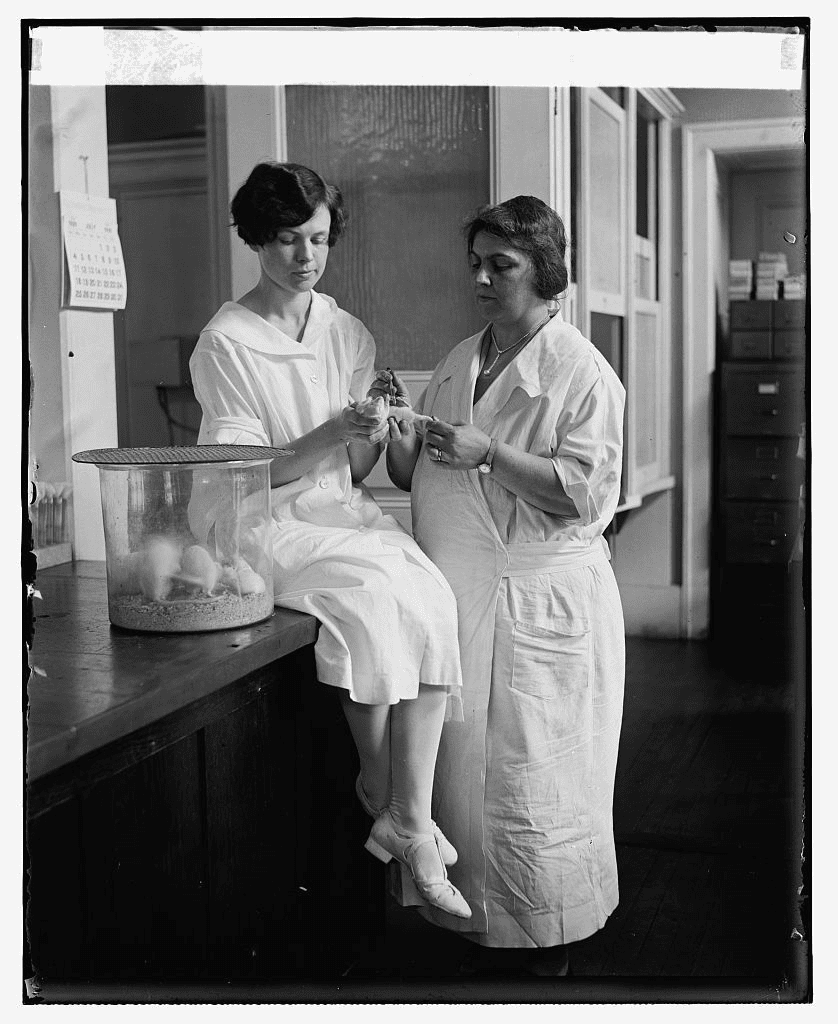
Further fate led Hattie to New York, where she began her career in medicine. In particular, in 1932, she joined the Department of Pediatrics at Columbia University in NY as a lecturer and scientific associate. It was here that she worked her entire life, conducting numerous research studies and practices. She also climbed all the career ladders:
- In 1932, Hattie worked as a research professor for Holt in Diseases of Children
- In 1934, she served as an Assistant in pediatrics
- In 1935, she became an instructor in Diseases of Children
- Between 1936 and 1940s, she was the associate professor at the Department of Pediatrics
- From 1943, Hattie served as an assistant professor
- In 1958, she became a professor.
Hattie devoted her whole life to medicine and its study, retiring in 1966 at the age of 65.
Meningitis and Hattie’s research
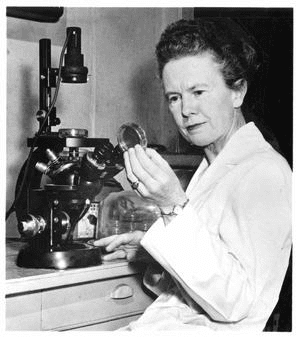
Meningitis is inflammation of the membranes of the brain and spinal cord. The most common cause of the disease is an infection, but in the first half of the 20th century, nobody knew about it. Therefore, mortality from meningitis was extremely high.
The most widespread and dangerous is bacterial meningitis. In case of infection, a patient can die within a day.
The main symptoms of meningitis include:
- Tension of neck muscles
- Fever
- Mental confusion
- Mental change
- Headache
- Nausea
- Vomiting
- Cold extremities
- Joint and muscle pain
- Rapid breathing
- Diarrhea
- Dark purple or red rash.
Combating meningitis
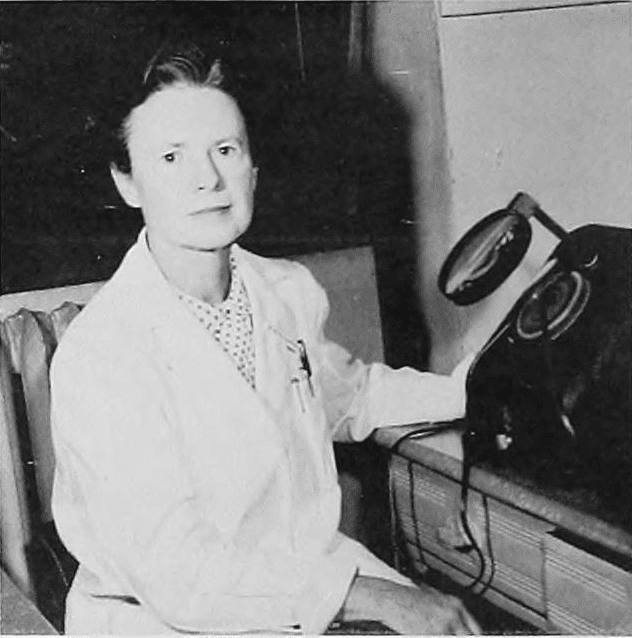
Over the years, Hattie was focused on studying infectious diseases and the biology of microorganisms that cause meningitis in humans. It should be mentioned that these researches were carried out before antibiotics and vaccines were invented.
In particular, Hattie started her rigorous research into meningitis during her residency at the Babies Hospital in NY. In the early 1930s, meningitis was a terrible disease that often led to death. Moreover, at that time, this disease was hardly explored, let alone its main germs. Thus, the development of effective treatment methods was significantly complicated.
Hattie took a particular interest in this problem. Therefore, in the 1930s, she began studying the causes of meningitis. Her innovative work was primarily aimed at identifying Haemophilus influenzae type b (Hib) as the main culprit of meningitis and other serious infections in children. Her discovery fundamentally changed the treatment and revolutionized the ways of combating this devastating disease. Hattie’s innovative finding opened the door for the development of a vaccine to control meningitis. Consequently, the Hib vaccine was created, which has saved countless lives not only in New York but around the world.
Hattie’s contribution to the field of medicine was tremendous. Thanks to her work, many people were saved from death and the treatment of meningitis became more effective. Hattie was an avid supporter of vaccination and played a key role in promoting the widespread introduction of vaccines. Owing to her efforts, the incidence of meningitis declined noticeably across the world.
Throughout her long and brilliant career in medicine, Hattie Alexander received numerous awards and accolades for her groundbreaking work in microbiology and pediatrics. In 1964, she was elected president of the American Pediatric Society, becoming the first woman in the United States to hold this prestigious position.
Hattie died shortly after retiring in 1968 in New York. Even posthumously, she was honored for her service and high achievements. She was also awarded honorary degrees from Goucher College and Wheaton College. All of this makes her one of the most prominent figures in New York and the United States.