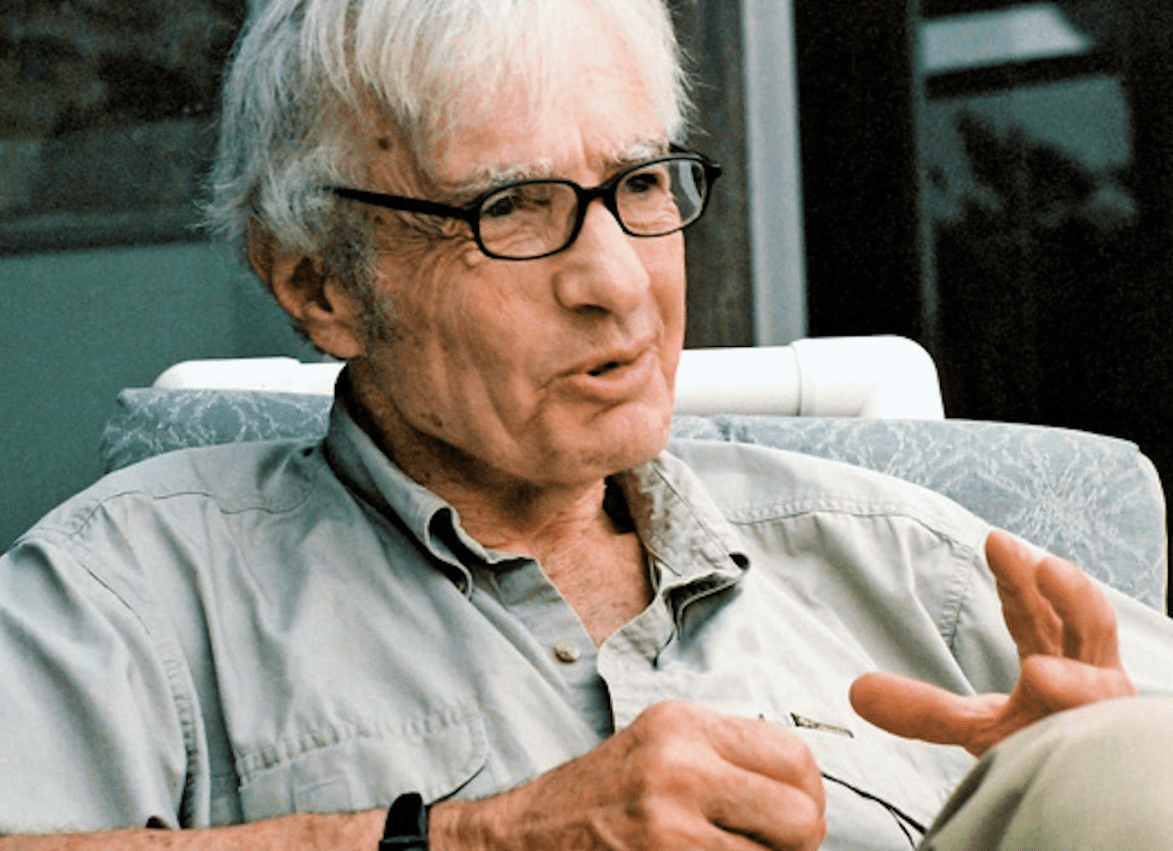

Unfortunately, the modern world is very cruel, and besides remarkable achievements and successful development, wars happen around the globe. For many years, conflicts have been sparking between different nations, and all this time, its causes and psychology have remained a dark page in the history of humanity. Robert J. Lifton, a famous American psychologist and psychoanalyst, dedicated much of his life to studying this issue to make the slightest change in this field. He wrote numerous works on psychoanalysis of mass phenomena and the psychology of war. It revealed a comprehensive and unique understanding of why people start wars and resort to political violence. Find out more at i-new-york.com.
A scientist from New York
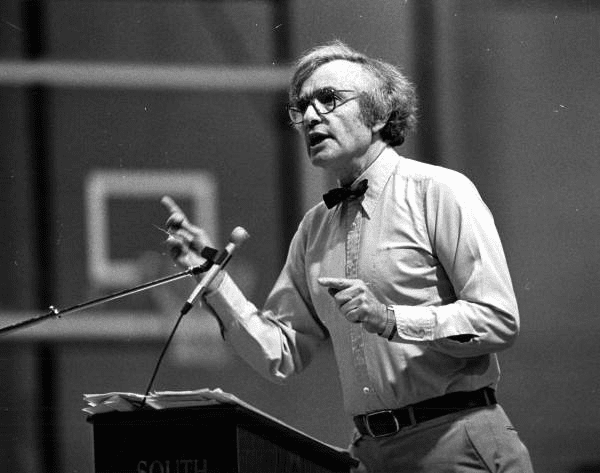
This is the story of Robert G. Lifton. He was born in New York in 1926 into the family of one of the most prominent businessmen of that time. His childhood and adolescence were quite typical. From a young age, he was extremely interested in studying humans. Therefore, at 16, he enrolled at Cornell University and later studied medicine at New York Medical College.
After graduating from college, he completed his internship at the Jewish Hospital of Brooklyn, as well as a psychiatric residency training at the Downstate Medical Center, also in Brooklyn. During his internship, he was eager to comprehend human psychology. In the early 1950s, Robert went to Japan and Korea to work as a psychiatrist for the Air Force. It was there that he developed a strong interest in understanding the connections between human psychology, war and politics.
Research and observations of Lifton
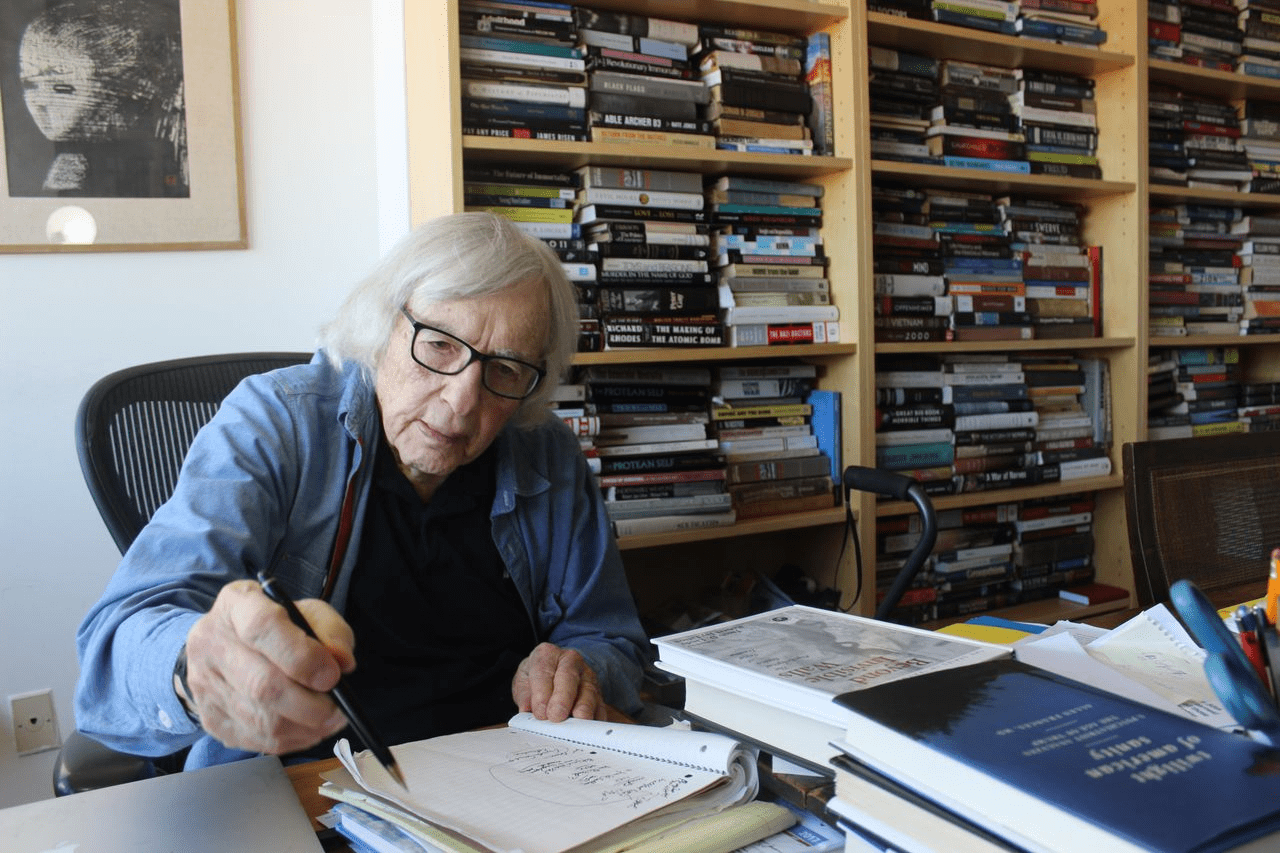
Robert’s deep study of the behavior of people who were responsible for war crimes made him conclude that a human is not inherently cruel. However, there are sociopaths who can commit various crimes. At the same time, such individuals can remain emotionally healthy for a long time. Such crimes are not categorized by type or degree, neither triggered by personal dislike or malice nor indicate any mental illness.
In his studies, Robert wrote that misdeeds occur under certain conditions. They can be either accidental or premeditated. Lifton called them ‘crime-generating situations.’
Lifton’s research was based on observation and communication with Nazi doctors, American servicemen, former war prisoners, the Chinese who were subjected to ideological propaganda, and people kept in Chinese prisons. He examined Hiroshima survivors and other witnesses of the bloody events of the 20th century. All of this helped him to grasp the psychology of war and the reasons for its emergence.
Concepts of Lifton
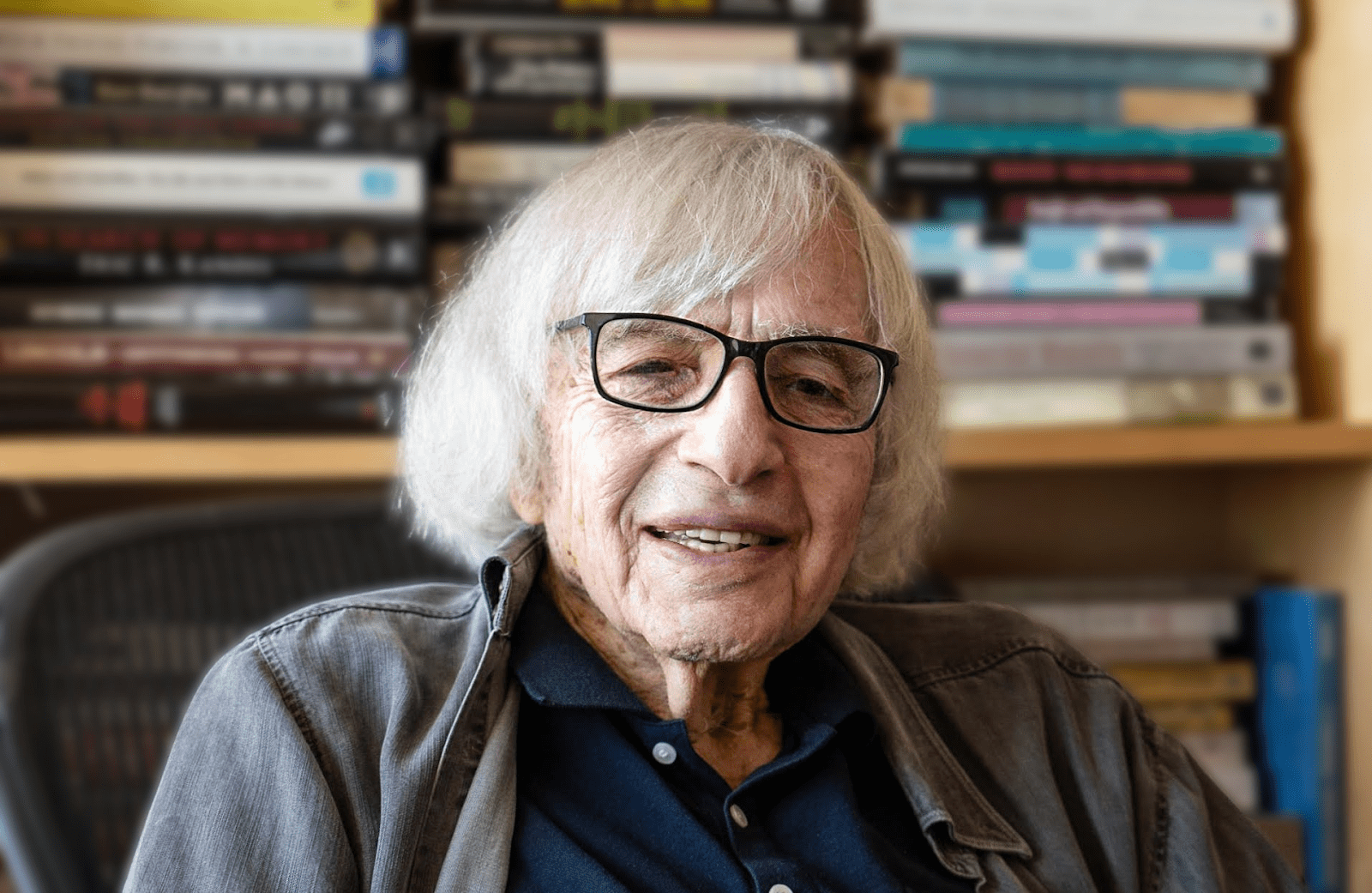
One of the main concepts that Lifton worked on is the notion of psychological disintegration. He described it as a process in which individuals or groups of people lose their moral values and become prone to cruelty and violence. In his works, Lifton argued that this process can be triggered by various factors, such as:
- Ideological manipulation
- Social pressure
- Collective justification.
In particular, ideology is a big part of motivating people to engage in wars and political violence. In Lifton’s opinion, individuals can be convinced of the righteousness of their goals and actions if their beliefs are reinforced by a powerful ideological force. It means that people, regardless of their own moral values, can commit acts of violence in the name of their convictions.
In addition, social pressure and collective justification are particularly important in the case of psychological disintegration. Lifton noted that individuals may feel less responsible for their actions when they are in a group. Actions are perceived as part of collective efforts, which leads to violence.
Lifton also thoroughly studied the concept of ‘symbolic warfare,’ which usually precedes physical war. According to Lifton, ‘symbolic warfare’ implies a struggle for symbolic identity, status and power. This struggle can be a sign of a conflict that later escalates into violence.
Criticism of terrorism and methods of preventing war
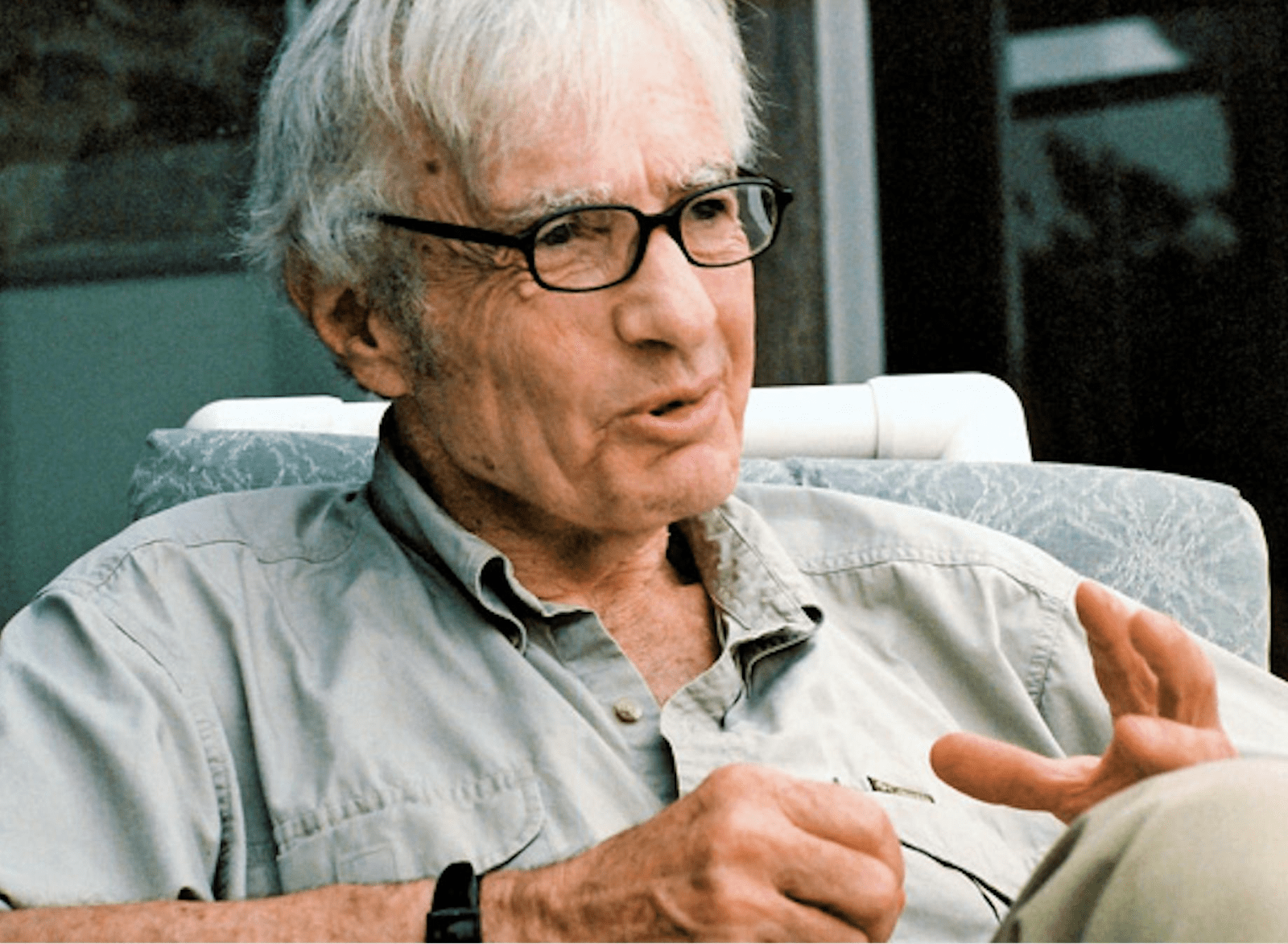
Back in the 20th century, Lifton believed that terrorism was becoming an increasingly urgent threat to the world. In fact, at the time, nuclear and chemical weapons, as well as totalitarian ideologies were widespread things.
Throughout his life and research, Lifton called for a deeper understanding of the psychological mechanisms that lie behind wars and political violence to prevent them in the future. He emphasized the importance of developing critical thinking in schools and universities. After all, it is a tool that helps people resist manipulation and ideological influence.
Robert Lifton conducted numerous studies in the field of psychoanalysis on the causes of wars and political violence. In the 21st century, while wars and brutal force are still going strong, his works provide valuable insight into the causes and ways to prevent these acts. His books and articles remind us of the importance of understanding the psychological processes underlying conflicts worldwide and promoting education and the development of critical thinking to preclude violence in the world.