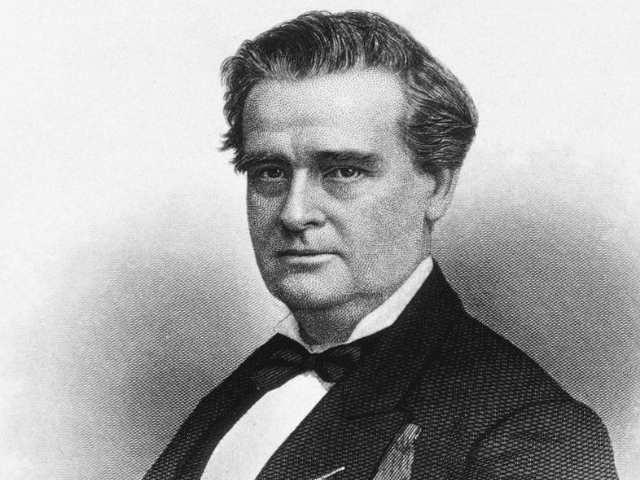

Dr. James Sims was a renowned and respected 19th-century American surgeon, known even in Europe. In 1876, he became president of the American Medical Association. In New York, James Sims opened the first hospital exclusively for women. He developed a surgical method for treating vesicovaginal fistulas and created many gynecological instruments. For a long time, he was called the “father of gynecology.” However, a monument erected in his honor in 1894 was removed in 2018. Learn more about the life of this famous doctor and why his achievements are now considered controversial on i-new-york.
Early Life and Medical Career
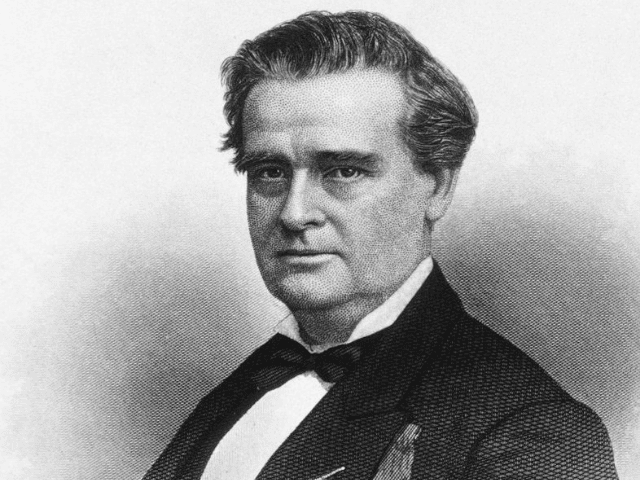
James Marion Sims was born on January 25, 1813, in South Carolina. He grew up in the village of Lancaster, where his father owned a store. When his father became the county sheriff, he sent his son to study at the local Franklin Academy. The young man continued his education at South Carolina College, and in 1832, he became an assistant to Dr. Churchill Jones.
James decided to continue his education, so he went to Philadelphia, where he entered Jefferson Medical College in 1834. While studying medicine, he didn’t believe the profession would make him a living, so Sims looked at other jobs and dreamed of great wealth.
He eventually returned to his medical practice in Lancaster. He didn’t have enough clinical experience in diagnosis and therapy. Two of his first patients—infants—died. This did not inspire the young doctor at all and prompted him to move to Mount Meigs, Alabama, where he opened his own practice.
In 1836, Sims married a fellow villager named Theresa, who was studying at the South Carolina Female Collegiate Institute. The young couple settled in Cubahatchee, Alabama, where they stayed until 1840. They spent the next decade in Montgomery.
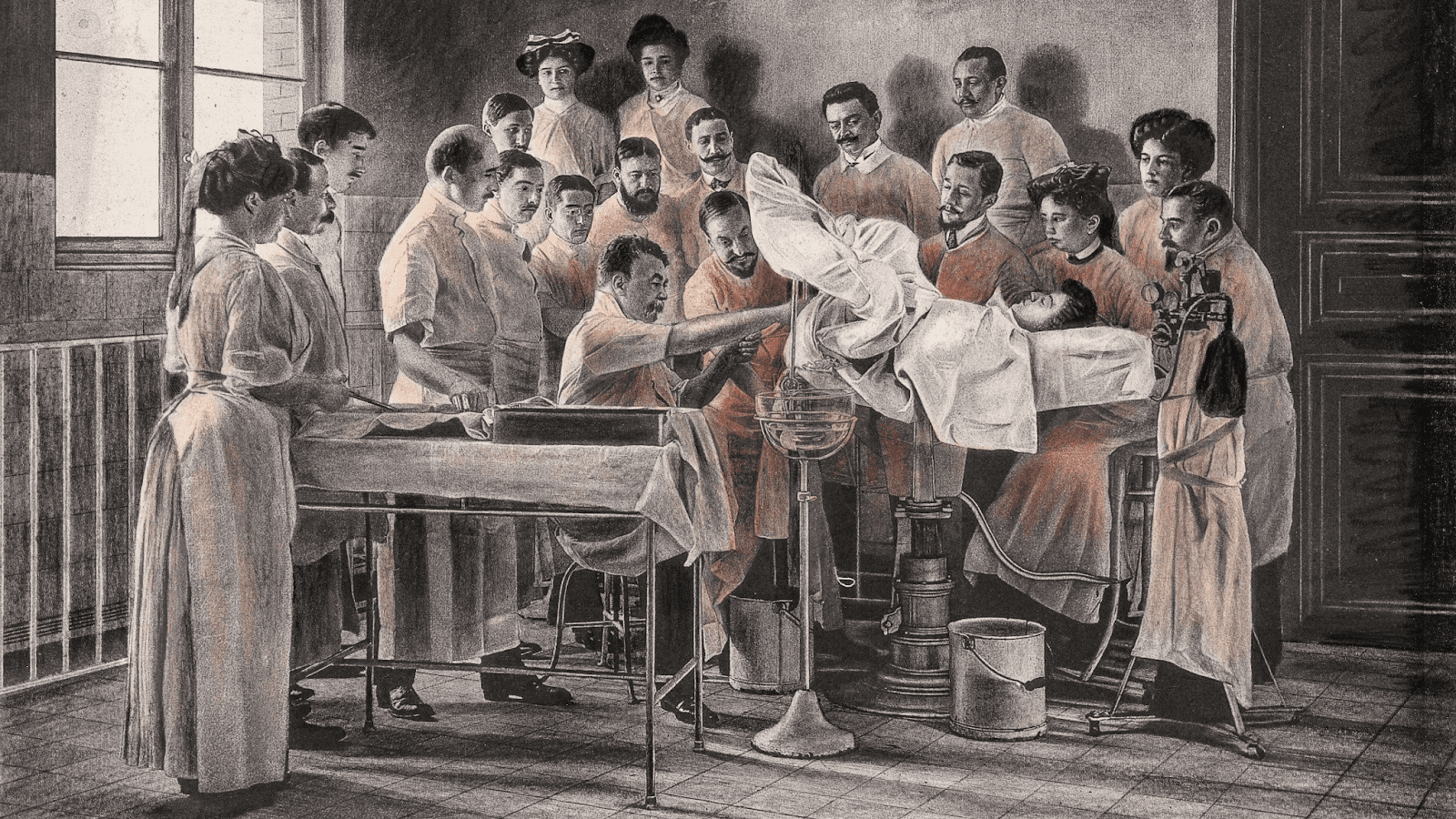
For Dr. Sims, this period was very important for his future career. He had a very broad clinical and surgical practice and gradually improved his skills. His medical work was becoming more successful, so he had many grateful patients who genuinely loved him. It is worth noting that the doctor worked mainly with enslaved people on plantations. In Montgomery, he built the first hospital exclusively for Black women. Initially, the small ward had only four beds, but it was later expanded to 12. The hospital became very popular, and Dr. Sims began his research in the field of gynecology.
At that time, this field was very little researched. Books were only written about obstetrics, and medical students did not study gynecological diseases, pregnancy, or childbirth. Future doctors were taught how to deliver babies on mannequins. Therefore, few people were interested in gynecology, and women could not get the help they needed.
Gynecology: Dr. James Sims’ Work and Achievements
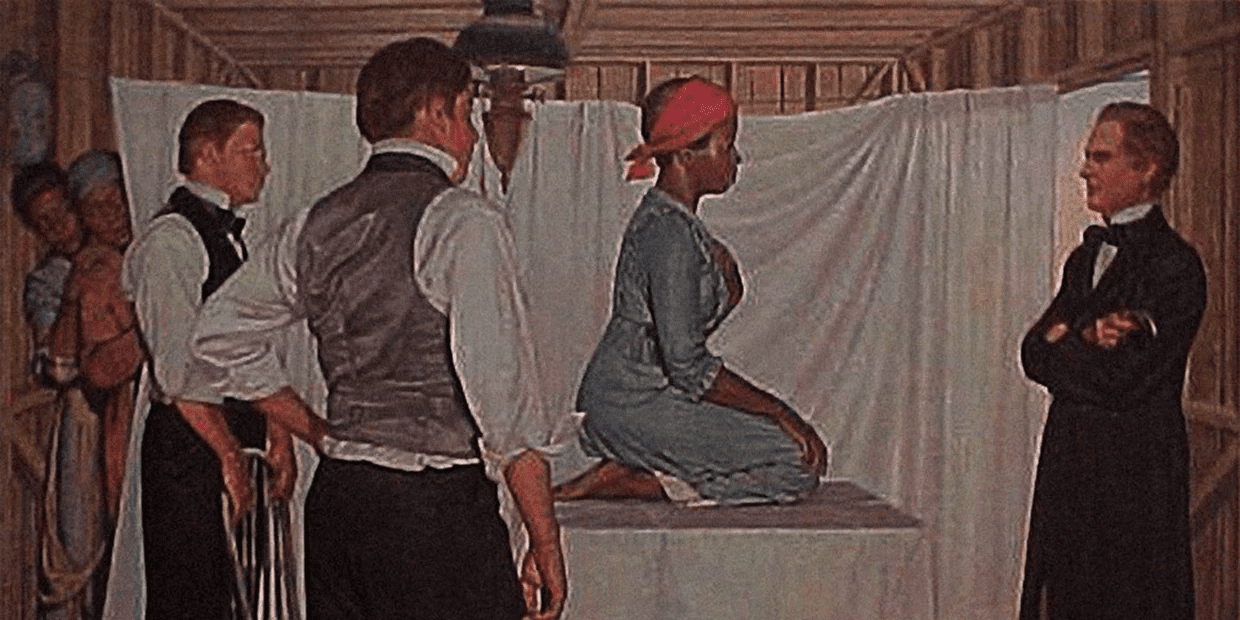
In the 19th century, one of the most unpleasant gynecological problems was vesicovaginal and rectovaginal fistulas—openings into the vagina from the bladder or rectum. This complication of childbirth was quite common and socially devastating for women. In this case, urine or feces constantly leaked into the woman’s vagina, leading to incontinence, making it impossible for them to maintain hygiene and live a normal life. There was no method for treating this condition.
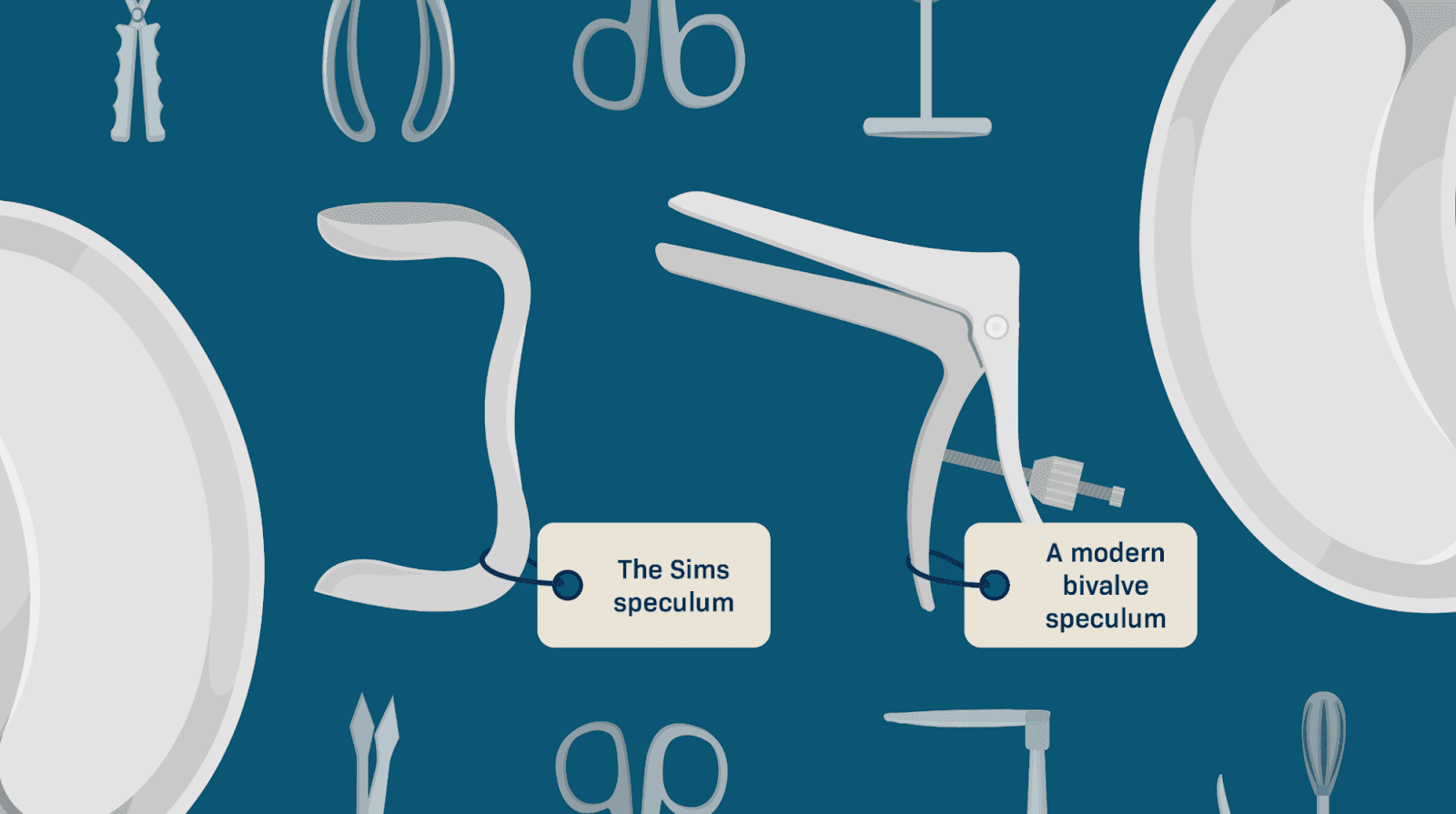
Dr. James Sims was one of the first to study this problem and look for solutions. To do this, he introduced various types of examination and surgical positioning of the patient and created a device that became the precursor to the modern gynecological speculum.
It is worth noting that other doctors in Virginia and Boston had already performed successful fistula surgeries in 1838, so Sims was not the first to do so. However, he was able to share his experience. He treated the vaginal problems of enslaved African American women between 1845 and 1849, performing experimental surgeries on his patients.
Mistakes and Breakthroughs in Medicine
The methods that James Sims used in his medical practice were not perfect from the perspective of modern doctors. He only began experimenting with anesthesia:
- In 1868, he presented research on nitrous oxide anesthesia.
- In 1874, he published an article on chloroform anesthesia.
- In 1880, he gave a presentation on death caused by anesthesia.
His attitude toward pain relief was therefore controversial. He rarely used anesthesia during surgery but gave patients opium in the postoperative period, as was the common practice. Sometimes his patients died of sepsis because, at the time, there was no infection control or sanitation in operating rooms.
Despite this, Dr. Sims was an expert in gynecology during his lifetime. In 1849, he invented silver wire sutures, which helped avoid infections associated with silk sutures. In 1853, the doctor moved to New York and focused on the study and treatment of women’s diseases. He opened his own practice at 267 Madison Avenue, and in 1855, he founded the Women’s Hospital. There, the doctor initially helped low-income women by repairing vesicovaginal fistulas.
In the 1870s, James Sims began operating on women with cancer. At the time, it was believed that this disease exclusively affected the lower classes of society and was spread through sexual contact. The doctor did a lot to change this perception. Unfortunately, his Women’s Hospital was forced to ban cancer treatment after a public campaign against its founder.
However, this did not affect James Sims’ reputation. He continued to stand by his opinion and defend his patients. In 1876, the doctor was unanimously elected president of the American Medical Association. He held this position for a year.
The End of a Famous Doctor’s Life and Death

In 1877, James Sims suffered two severe attacks of angina pectoris. Three years later, he became seriously ill with typhoid fever. Despite his frail physical condition, he continued to make his gynecological examination instruments and perform surgeries.
In order to recover faster, the doctor first went to Charleston, and in the summer of 1881, he went to France. James Sims returned to the U.S. in the fall and began complaining of heart problems. At this time, he was working on his autobiography and planning a return to Europe but unexpectedly died of a heart attack on November 13, 1883. The famous doctor was buried in Green-Wood Cemetery in Brooklyn, New York.
For a long time, Dr. James Sims was called the “father of gynecology.” He introduced many significant changes in the treatment of women’s diseases. His medical innovations included the successful treatment of vesicovaginal fistulas, the first gallbladder surgery, the introduction of new gynecological examination positions, and instruments such as the sigmoid catheter and the Sims speculum. He contributed to the treatment of infertility and insisted that his Women’s Hospital admit women with cancer, despite the widespread belief that the disease was contagious. At the same time, in his medical practice, Dr. Sims experimented extensively on enslaved African American women. This is contrary to modern medical ethics, as are many of the doctor’s methods and approaches. It is for this reason that his monument in New York was removed and his gynecological instruments were given new names.