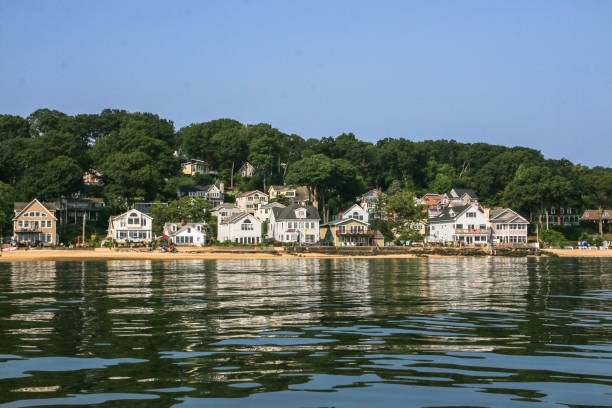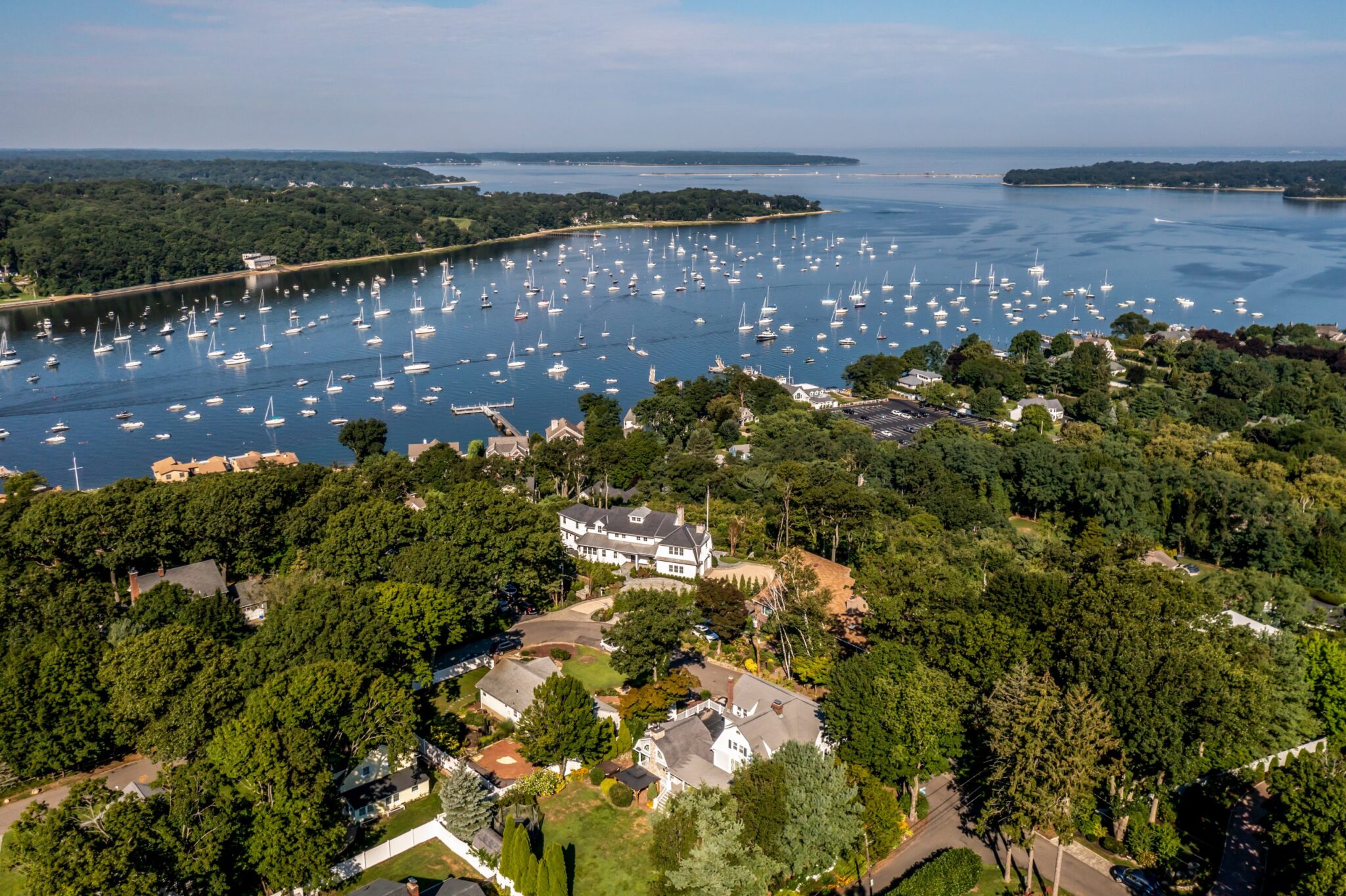

When New Yorkers want to unwind on pristine white beaches and tourists look for a peaceful escape just outside the city, they head to Long Island’s famous North Shore. The area has long been surrounded by myths and legends, but two themes have defined it more than anything else: the extravagant wealth of the 1920s and the understated luxury of today. A century ago, the North Shore was the epicenter of elite society. Lavish parties filled the nights, America’s wealthiest families built mansion after mansion, and money flowed freely into estates that looked more like European castles than summer homes. Those millionaires may have understood something others did not – the golden age arrived on the edge of New York with breathtaking speed, and vanished just as quickly. However, what remains is the beauty and grandeur of the North Shore – a legacy the island has carefully preserved for centuries, according to i-new-york.com.
The Gold Coast
If New York City is famously known as “the city that never sleeps,” then the island just beyond it feels like the exact opposite. That island is Long Island – a place that blends the elegance of European coastal towns with the charm of classic small-town America. What has always made Long Island unique is its diversity. Different communities, traditions, and lifestyles have coexisted here for generations. Although the island is divided into four counties – Queens, Brooklyn, Nassau, and Suffolk – it is Nassau and Suffolk that people most strongly associate with the true Long Island experience. And despite the rich history found across the island, no region became more iconic than the North Shore. Once a retreat for wealthy New Yorkers, it now attracts visitors from around the world.
The North Shore of Long Island rose to true prominence during America’s economic boom in the late 19th and early 20th centuries. The years following World War I brought rapid industrial growth, cultural transformation, and extraordinary wealth. The era became known by several names – the Gilded Age, the Roaring Twenties, and the Jazz Age – each reflecting America’s rise in different сферах of life and business. For the first time, enormous wealth was no longer reserved only for heirs born into privilege. Self-made businessmen, financiers, and ambitious entrepreneurs suddenly found themselves living the American Dream. Fortunes were built on Wall Street, in oil, real estate, and railroad construction. During Prohibition, even bootlegging became a fast track to wealth for some.
It was during this era that the North Shore truly came alive. Its natural beauty and quiet atmosphere quickly attracted America’s elite. For centuries, Long Island had been relatively isolated, but advances in transportation made the journey from New York City far easier and faster. Wealthy residents soon discovered the coastline and began transforming it into their private escape. In an astonishingly short time, mansions, villas, and castle-like estates became the defining image of the North Shore. Competition between “old money” families and the newly rich only intensified the extravagance. The coastline soon became synonymous with luxury. Massive country homes rose along the waterfront, influential families spent their summers there, and lavish parties became part of everyday life. The atmosphere was glamorous, carefree, and unapologetically extravagant. Before long, this stretch of Long Island earned the perfect nickname: the Gold Coast.
The Mansions of the North Shore
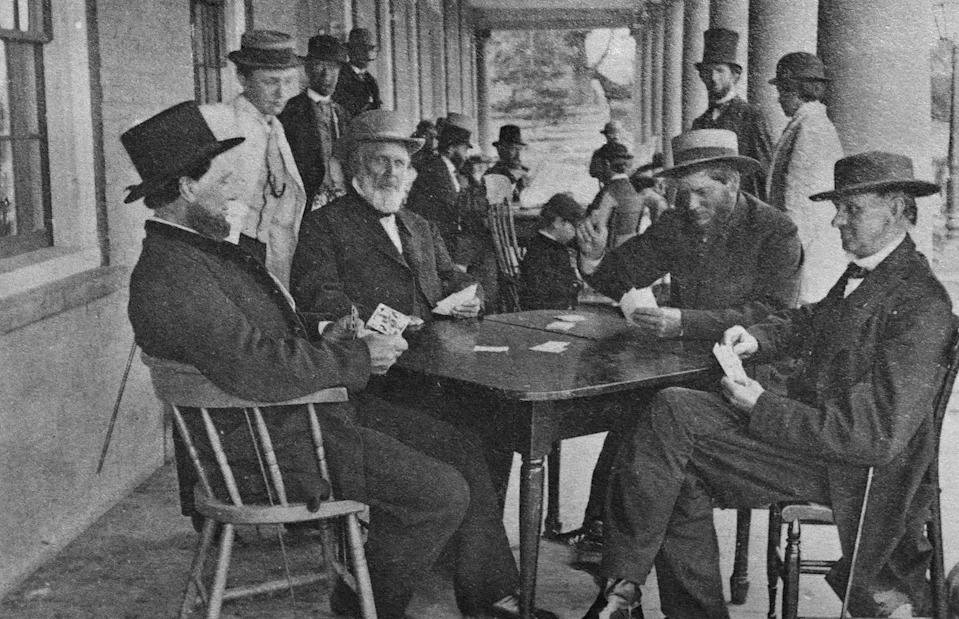
The grand estates of the North Shore became the ultimate symbol of wealth and status. Neighbors competed over everything – better ocean views, larger properties, more lavish interiors, and increasingly extravagant designs. Even the smallest estates of the era were breathtakingly luxurious, because during the Gilded Age, money was measured in the hundreds of millions. Some owners wanted homes directly on the waterfront, while others preferred secluded estates surrounded by forests. But regardless of location, nearly everyone aimed for one thing: grandeur. Many of these fortunes had been made quickly, and their owners were eager to turn newfound wealth into visible social status. Massive mansions became the clearest way to do that. As a result, imagination became the driving force behind construction. Although these properties were often intended as seasonal residences, their owners spared no expense in bringing their visions to life.
Wealthy New Yorkers looked to Europe for inspiration. Often, all it took was a reference photo of a French château, an Italian villa, or an English manor house for famous architects to begin sketching plans. Renowned firms and architects such as Carrère and Hastings, McKim, Mead & White, and John Russell Pope all helped shape the North Shore’s legendary estates. Depending on historical estimates, somewhere between 500 and more than 1,000 mansions were built along the coastline. Many featured close to 100 rooms and extended far beyond the main residence itself. Properties included staff quarters, stables, greenhouses, formal gardens, yacht clubs, and even private farms. Every detail was carefully designed. Service areas connected seamlessly behind the scenes, while the owners’ living spaces showcased intricate mosaics, hand-carved woodwork, and elaborate decorative features. The North Shore became home to some of America’s most powerful families, including the Vanderbilts, Astors, Whitneys, Pratts, and Guggenheims.At times, the competition for prestige became almost absurd. Banker Otto Kahn famously missed his chance to buy waterfront land, so he ordered the construction of an artificial hill for his estate instead. The result guaranteed that his mansion still dominated the landscape – and attracted plenty of attention.
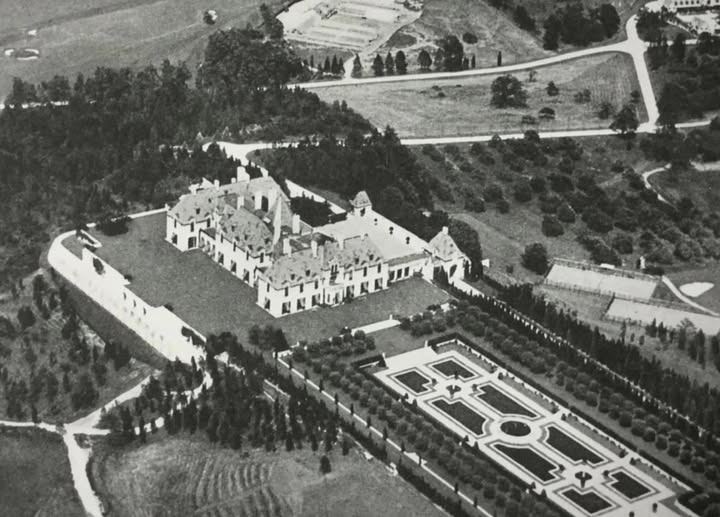
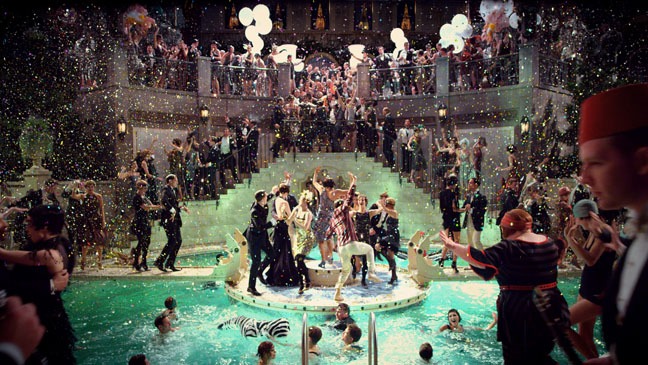
Although wealthy families chose the North Shore as an escape from New York City, life there was anything but quiet. In fact, the coastline quickly earned its “Gold Coast” reputation because of its nonstop social scene. The elite hosted extravagant parties, gathered at yacht clubs, played tennis, strolled through elaborate gardens, admired exotic greenhouses, and collected rare antiques. Stories from those celebrations became legendary. Athletes, politicians, writers, oil tycoons, socialites, heirs, and even bootleggers all crossed paths at the same glamorous events. No one spared money – or effort – when it came to hosting unforgettable evenings. Huge mansions welcomed dozens of guests while hundreds of staff members worked behind the scenes to keep everything running flawlessly. By day, business deals were negotiated and political decisions discussed along the North Shore. By night, jazz music filled the air as New York’s elite danced, drank, and celebrated deep into the morning.
Fitzgerald’s Inspiration
While America’s wealthy elite treated the North Shore as their private playground, F. Scott Fitzgerald transformed it into a lasting symbol of popular culture. That happened in 1925 with the publication of his legendary novel The Great Gatsby. Ever since, the book has captivated readers drawn to glamorous lifestyles, extravagant parties, and the romance of the Roaring Twenties. More than a century later, debates surrounding the novel still continue. Literary critics, historians, and everyday readers all try to determine which parts were inspired by real life and which came purely from Fitzgerald’s imagination. Ironically, the novel only gained widespread recognition years after the Gold Coast itself had already passed its peak.
Fitzgerald began writing the book after moving to Long Island’s North Shore in 1922 with his wife Zelda and their infant daughter. The family settled in Great Neck at 6 Gateway Drive. Despite their reputation for living extravagantly, the Fitzgeralds chose the area partly to save money on housing. Surrounded by enormous mansions, they picked a home that was elegant but far less extravagant than many neighboring estates. At the time, the North Shore was becoming a fascinating mix of old-money families, industrial tycoons, journalists, theater agents, and creative personalities. For a writer like Fitzgerald, it was the perfect environment. Almost every evening, he watched lavish parties unfold nearby and became fascinated by the creativity and excess behind them. But even more than the glamour itself, Fitzgerald was intrigued by the people – their ambitions, personalities, relationships, and hidden insecurities. A few years later, those observations found their way into The Great Gatsby.
The novel tells the story of the mysterious millionaire Jay Gatsby, who hosts extravagant parties at his mansion night after night. Behind all the champagne and spectacle lies a single goal: winning back Daisy Buchanan, the woman he once loved, who now lives across the bay with her husband, Tom Buchanan. Guiding readers through the drama is narrator Nick Carraway, the quiet observer at the center of Gatsby’s world. The fictional communities of East Egg and West Egg are widely believed to have been inspired by Sands Point and Great Neck on the North Shore. Ever since the novel became an American classic, readers have searched Long Island for traces of Gatsby’s world and the real-life inspirations behind its characters. Fitzgerald himself admitted that the story blended fact and fiction. Some elements reflected his own personality and experiences, while others came entirely from imagination. Many details, however, were inspired by scenes he witnessed daily from his own neighborhood. Some literary historians believe the Buchanan estate was inspired by Lands End, while Gatsby’s mansion may have drawn inspiration from Oheka Castle or Beacon Towers. Yet The Great Gatsby was never meant to portray one exact family or estate. Instead, the novel became a composite portrait of the people, places, and atmosphere that defined the Gold Coast at its peak.
A Quiet Corner of Paradise
History has shown that Long Island changes quickly. Over time, the grand and extravagant image of the North Shore evolved into something quieter, more refined, and deeply charming. Many of the legendary estates that once symbolized unimaginable wealth now serve entirely different – though no less meaningful – purposes. The enormous Gilded Age mansions that once cost hundreds of millions to build have gradually given way to smaller, more practical luxury homes. Some of the region’s most famous estates disappeared altogether, while others were transformed into museums, country clubs, hotels, and cultural landmarks. A number of them still welcome visitors today through guided tours. One of the best examples is Otto Kahn’s spectacular estate, which continues to attract tourists and locals alike as a luxury hotel and event venue. The former residence of William Robertson Coe, known for its breathtaking gardens and greenhouses, became the Planting Fields Arboretum. Meanwhile, Old Westbury Gardens – once home to John Phipps and his wife – has spent decades drawing visitors with its timeless beauty. The estate’s preservation team has carefully maintained its historic atmosphere while turning it into a vibrant cultural destination. Today, guests can attend exhibitions, concerts, festivals, botanical workshops, and seasonal events throughout the year. Visitors can also explore the legacy of the Vanderbilt family at their former estate, which was converted into a museum. The property even includes a planetarium that offers educational programs and public events.
The North Shore made the most of the economic boom of the early 20th century and successfully preserved much of its extraordinary heritage. Although the role of the mansions has changed, the region’s museums, parks, country clubs, research centers, and cultural institutions continue to shape life on the island. Today, the Gold Coast remains one of the East Coast’s most desirable summer destinations. Busy highways and crowded city streets give way to quiet roads, local boutiques, cozy restaurants, and scenic waterfront views. New Yorkers still come here to escape the pressure and pace of city life. Those who chose to settle permanently on the North Shore rarely regret the decision, embracing a quieter and more relaxed lifestyle outside the city. Despite all the changes, the North Shore has never lost its unique charm. The coastline continues to attract visitors with its restaurants, small shops, picturesque beaches, and endless activities. It remains a place where people can comfortably live, work, study, and unwind. And of course, many travelers still arrive searching for traces of The Great Gatsby. The island happily embraces that connection, offering countless themed tours that allow visitors to step into the glamorous world Fitzgerald immortalized nearly a century ago.