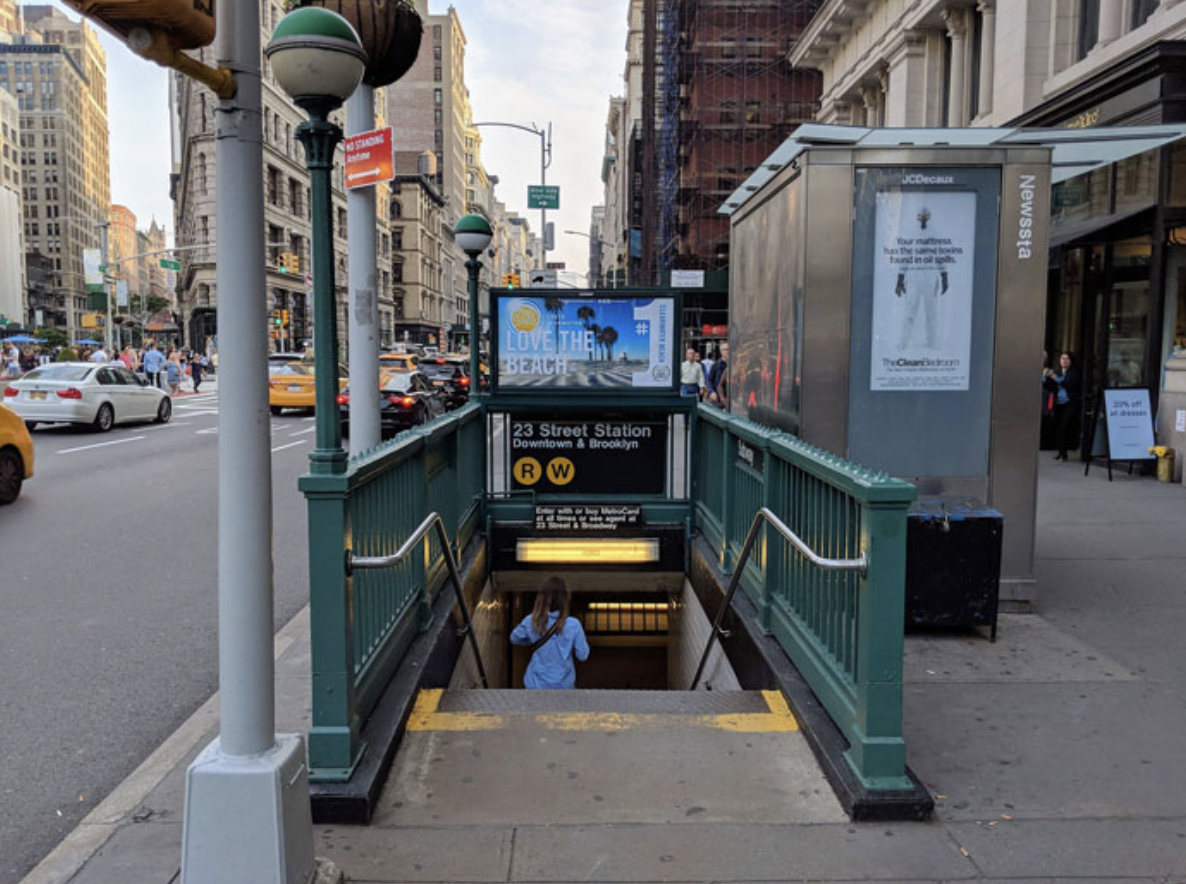

Broadway, Central Park, soaring skyscrapers, iconic yellow cabs, and the subway are the quintessential symbols of New York City. While an underground transit network might not fit the conventional definition of a cultural landmark, the history of the NYC subway proves otherwise. It fundamentally reshaped the daily lives of New Yorkers, leaving a lasting mark on the city’s economy, infrastructure, and even its appeal to global tourism. From its very first stations to graffiti-covered train cars and iconic movie scenes, the subway has always mirrored the pulse of New York and its people. It seamlessly woven itself into the fabric of this massive metropolis, becoming an irreplaceable part of its identity. Let’s dive into how it all happened in this article on i-new-york.com.
From the First Line to a Transit Empire: How the NYC Subway Was Born
The New York City Subway is the city’s primary transit artery and the largest rapid transit system in the United States. Today, it is hard to imagine New York without it, but its creation was a subject of fierce debate for decades. Even though New Yorkers had the working examples of London and Boston right before their eyes, they were in no rush to embrace underground travel. Political rivalries, economic hurdles, and public skepticism continually stalled progress. Yet the city’s population was booming, and an underground transit system was vital for future growth. Talks about building a subway system began in the late 19th century, but endless disputes over routes, budgets, and engineering pushed back approval year after year.
On February 26, 1870, an event occurred that could be considered the dawn of New York’s underground transit. Inventor Alfred Ely Beach unveiled a pneumatic transit tunnel of his own design. Frustrated that London had claimed world priority in subway construction, Beach took matters into his own hands and secretly began digging without official permits. His prototype ran on pneumatic power driven by a steam engine, stretching roughly 300 feet (about 90 meters) beneath Broadway. On March 1, 1870, the line held its grand opening, offering curious riders a trip for 23 cents. While Beach focused heavily on passenger comfort and publicity, the project was ultimately a proof of concept rather than a practical network. New York urgently needed a full-scale system capable of moving thousands of commuters between distant neighborhoods quickly and affordably.
In 1894, voters finally approved a referendum to build a comprehensive municipal subway system. After years of debate over whether funding should be public or private, the contract was awarded to the Interborough Rapid Transit Company (IRT). Construction began in 1900, and by 1904, New Yorkers were ready to descend underground for the first time. The official launch took place on October 27, 1904, with Mayor George McClellan personally operating the ceremonial first train. On opening day alone, more than 100,000 passengers rode the line, which spanned 28 stations. A ride cost just five cents, running from City Hall all the way to Harlem and stopping at landmark hubs like Broadway and Grand Central. City leaders wanted the subway to be not only fast but also modern and clean, so the system was powered by electricity right from day one. The launch was a monumental triumph, and the immediate priority became expanding the network. Two rival companies led the charge: the Interborough Rapid Transit Company and the Brooklyn Rapid Transit Company. Subway lines reached the Bronx in 1905, Brooklyn in 1908, and Queens in 1915. By 1932, the city debuted the Independent Subway System (IND), laying the groundwork for the unified network we know today.
How the Subway Transformed Everyday Life for New Yorkers
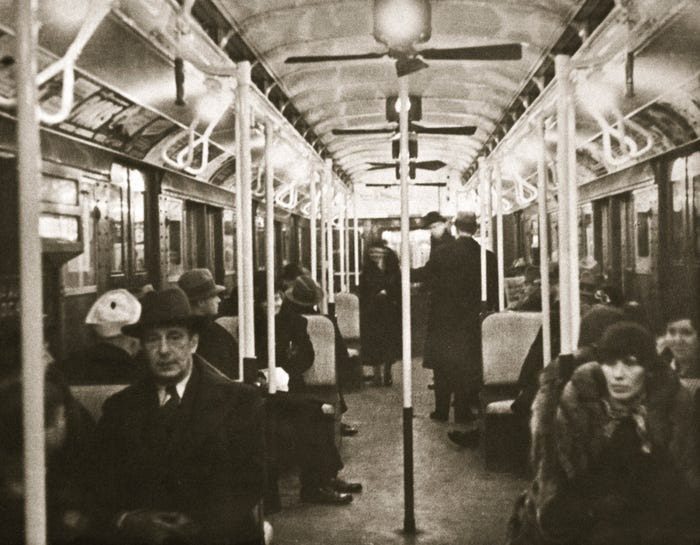
The subway played a pivotal role in transforming New York into a global powerhouse and improving living conditions across the board. While initially conceived simply to ease street congestion, its impact reached far deeper into everyday life. First and foremost, the subway catalyzed the growth of outer boroughs and relieved overcrowding in Lower Manhattan. By the late 19th century, New York was an economic powerhouse that drew massive waves of immigrants. When the city’s population surpassed one million in the 1880s, municipal leaders faced an urgent challenge: finding livable space for everyone. Most residents were crammed into the dense tenement districts of Manhattan, while vast swaths of land beyond the city center sat empty. The opening of the subway opened the floodgates to development in Brooklyn, Queens, and the Bronx. As soon as a new line was planned, surrounding land was snapped up for residential construction, with real estate values near subway stops climbing dramatically.
The subway provided an affordable and reliable way to commute, accelerating New York’s commercial ascendancy. As the underground network expanded, Manhattan solidified its role as the city’s corporate nerve center. The island’s skyline became dominated by towering headquarters for major corporations and financial institutions. Before the subway, central neighborhoods were filled with overcrowded tenement buildings plagued by poverty and squalor. As residents relocated to greener, more spacious outer boroughs, those central districts were redeveloped into vibrant commercial corridors. Employees could now commute quickly and cheaply from anywhere across the city, cementing New York’s status as the nation’s financial capital.
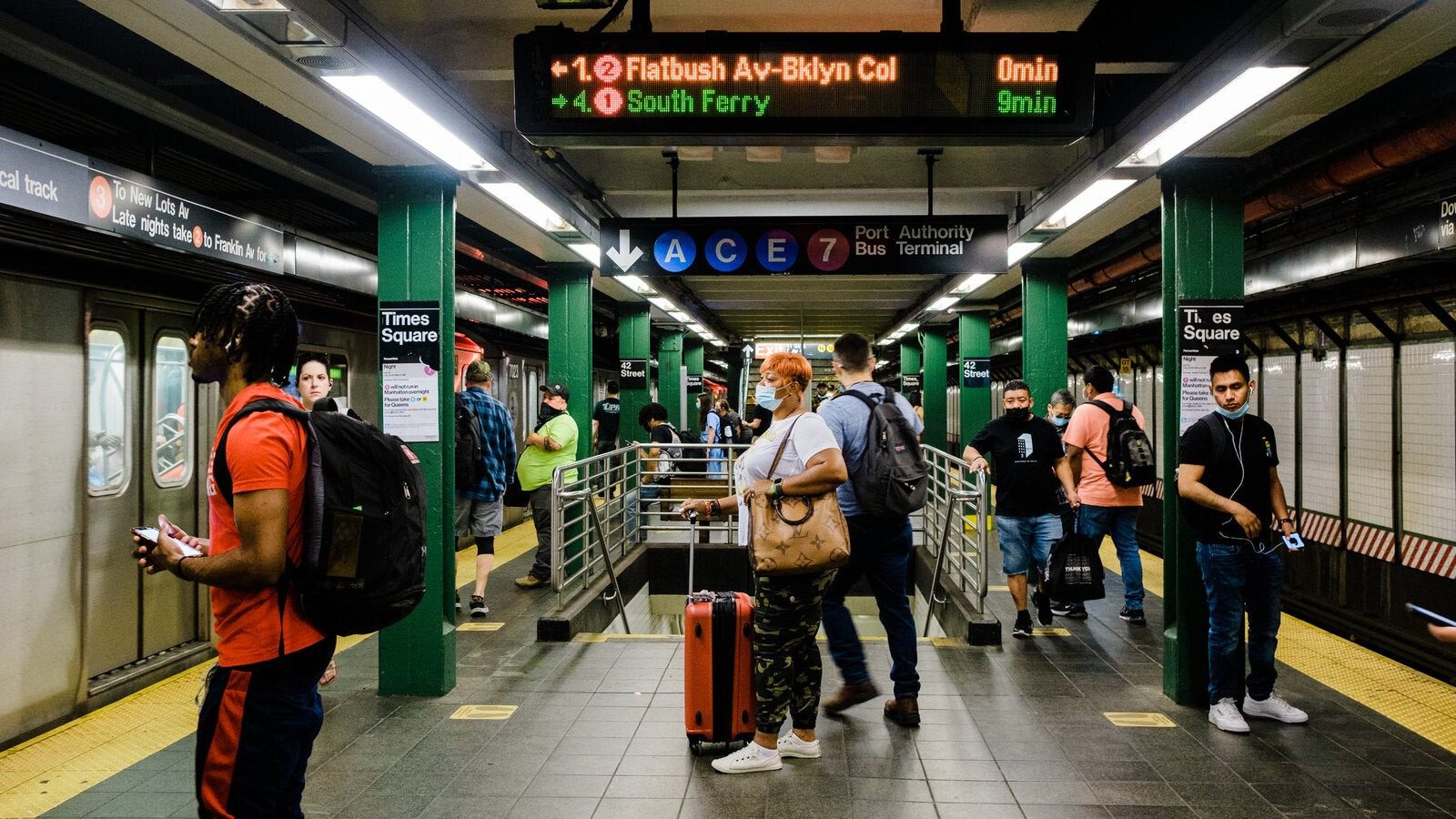
The New York City Subway is one of the world’s most extensive 24/7 transit systems. Round-the-clock service is a massive advantage not only for working residents but also for millions of visitors. The subway unlocked the city’s cultural and tourist scene by linking its most famous landmarks, starting with Broadway. Convenient transit turned the Theater District into the ultimate destination that never sleeps: audiences could effortlessly catch evening shows, and artists had easy access to rehearsal halls and new performance spaces. With every new station opened, traveling to iconic spots became a matter of minutes. Over time, riding the subway became a quintessential New York experience in its own right, driving the city’s economic, cultural, and urban achievements.
The Subway as a Cultural Canvas: Music, Art, and Street Culture
Aesthetic design was an essential part of the New York subway from the very beginning. Knowing that the public was skeptical of going underground, city planners used architecture and fine art to win them over. The IRT hired the prominent architectural firm Heins & LaFarge, founded by George Lewis Heins and Christopher Grant LaFarge, to design the original stations. They introduced an inspiring vision for public transit: walls were decorated with intricate mosaics, glazed tilework, and ceramic plaques illustrating local history. These visual elements did more than guide commuters—they gave each stop a distinctive character. The crown jewel was the original City Hall station, built along an elegant curved loop. The company brought in celebrated Spanish architect Rafael Guastavino to create its vaulted ceilings and ornate tile patterns. While the sharp curve eventually made the station obsolete for longer, modern trains, it remains one of the finest architectural achievements in the history of public transit.
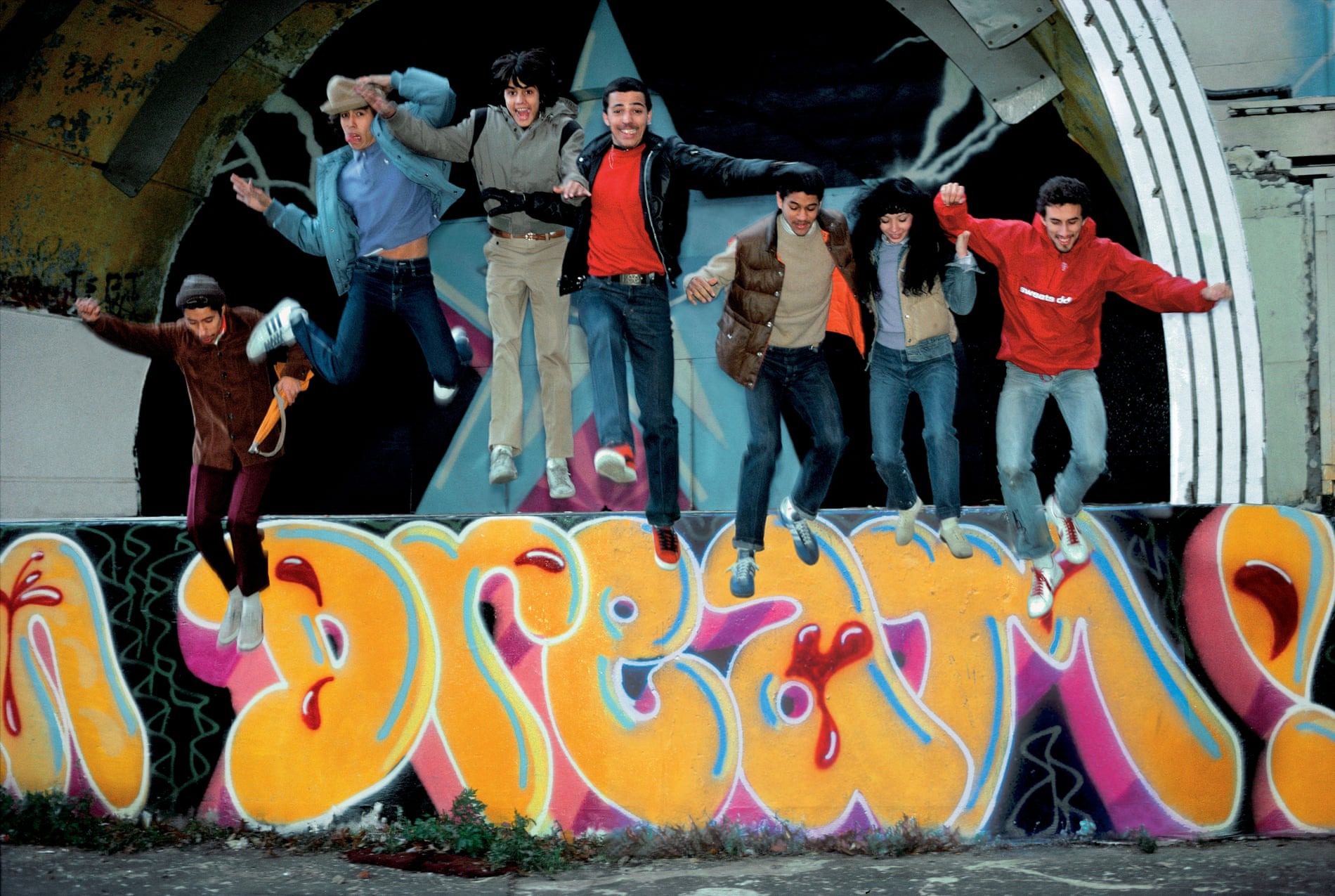
While the subway was designed to introduce culture to riders, the relationship flipped during the system’s darkest era. In the 1970s, the transit system suffered a steep decline driven by citywide fiscal crises, deferred maintenance, rising fares, and climbing crime rates. The subway became synonymous with grime and danger. Yet that gritty atmosphere gave birth to an explosive wave of grassroots expression. The 1970s and 1980s saw the rapid rise of graffiti and hip-hop culture across platforms and rail yards. What began as simple tags left by commuters on their daily routes evolved into intricate, full-car murals that caught the attention of serious artists. Graffiti writers pushed the boundaries of style, turning entire trains into rolling canvases. Figures like Richard Mirando (Seen), Dondi White, and Lonny Wood (Phase 2) became underground legends, while pioneers like Keith Haring and Jean-Michel Basquiat helped bring the raw energy of street art into prestigious global galleries.
A new cultural chapter began once subway art transitioned from an underground movement into an officially embraced program. In the 1980s, the agency launched MTA Arts & Design to incorporate visual and performing arts into the commuter experience. The initiative now encompasses music, photography, poetry, digital media, and permanent installations. A dedicated panel reviews submissions from both established and emerging creators, giving them platforms to showcase their talent across hundreds of stations. Beyond official programs, countless street musicians and creators use the subway as a stage, sharing their performances with millions on social media. Today, the artistic heartbeat of the New York subway is as diverse and dynamic as ever.
The New York Subway in Film and Pop Culture
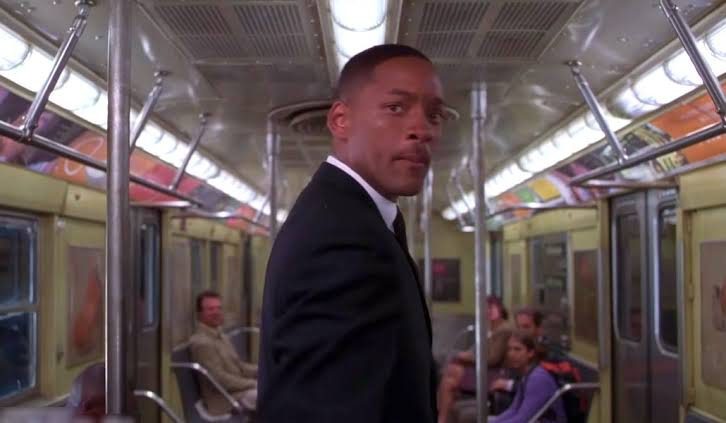
The New York City Subway is not just a transit network; it is a cinematic legend and a magnet for travelers. Its cars and platforms have set the scene for virtually every film genre, from sweeping romances to edge-of-your-seat thrillers and horror classics. Interestingly, the very first film to showcase the system arrived just a year after its debut, in 1905. The short film *Interior New York Subway* documented the ride from Union Square to Grand Central, marking the subway’s first—but far from last—appearance on the silver screen. Although subways around the world serve the same basic function, New York’s system possesses a singular magnetism. Bloggers capture street-style content here, YouTubers film travel vlogs, TikTokers launch viral challenges, and film buffs retrace famous cinematic moments. For any visitor, hopping on a train is an essential rite of passage to experience the real rhythm of the city.
Ever since the first station opened its doors, filmmakers have treated the subway as an evocative backdrop. In fact, a chronological tour of subway cinema reveals the evolution of the city itself. In the gritty 1970s, directors leaned into the underground’s perilous reputation with classics like *The Warriors*, *Death Wish*, and *Bananas*. The following decade brought the groundbreaking hip-hop classic *Beat Street*, capturing the vibrant soul of breakdancing, DJing, and subway graffiti. As the system revitalized and shed its dilapidated image, it became a favorite backdrop for fantasy epics, romantic comedies, and high-octane blockbusters. Directors no longer viewed the subway as merely a transit backdrop, but as an essential character with a vibe all its own. Over more than a century, the New York subway evolved from a practical utility into an inseparable part of global pop culture.