
Health care has been highly important in the lives of New York and other major cities around the world for many centuries. People have faced severe and unknown diseases, epidemics, heavy injuries and more. Mental health plays a particularly significant role in this story. This article will dwell upon one of the oldest psychiatric hospitals in New York. Learn more at i-new-york.com.
Utica Psychiatric Center
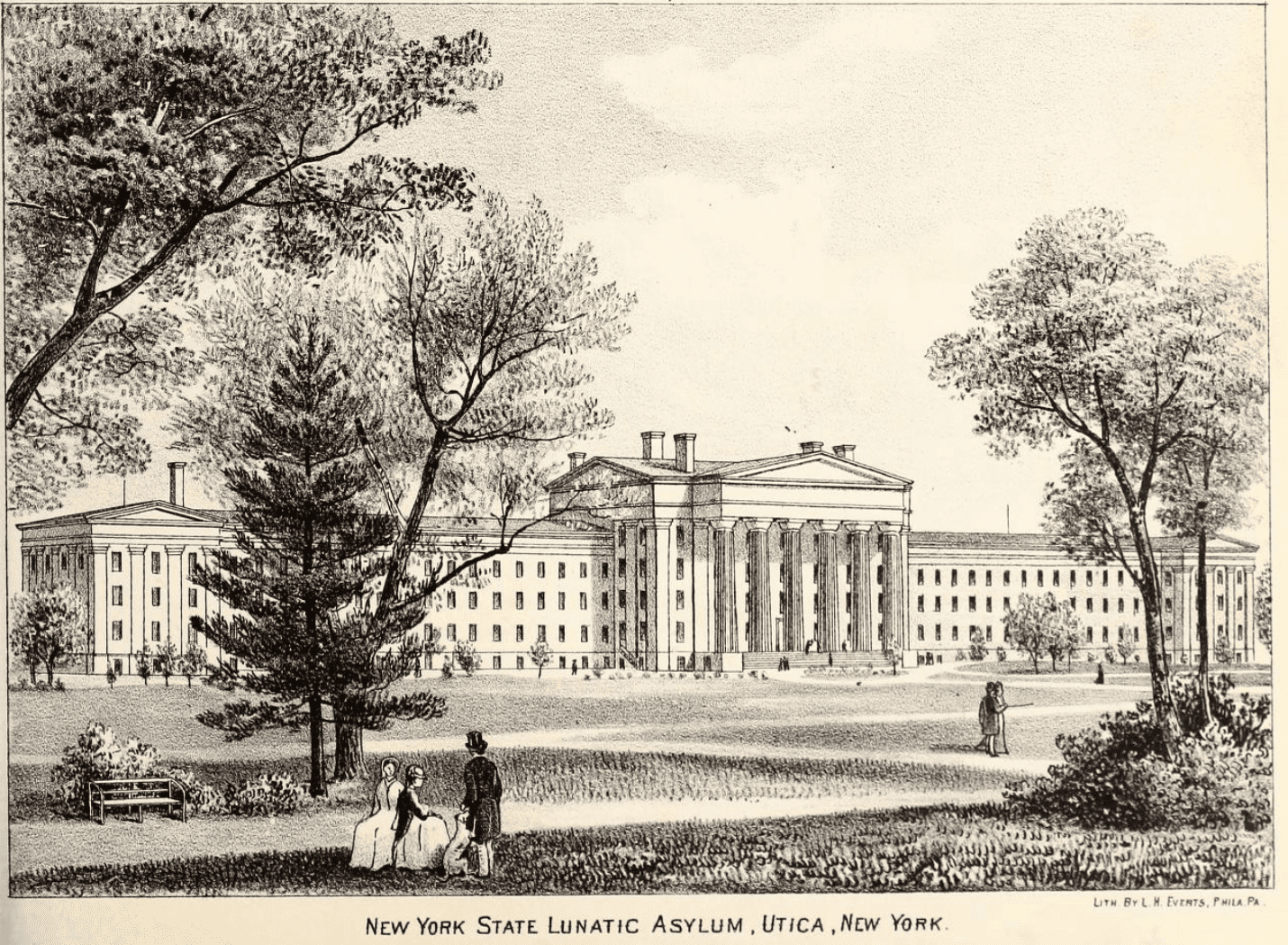
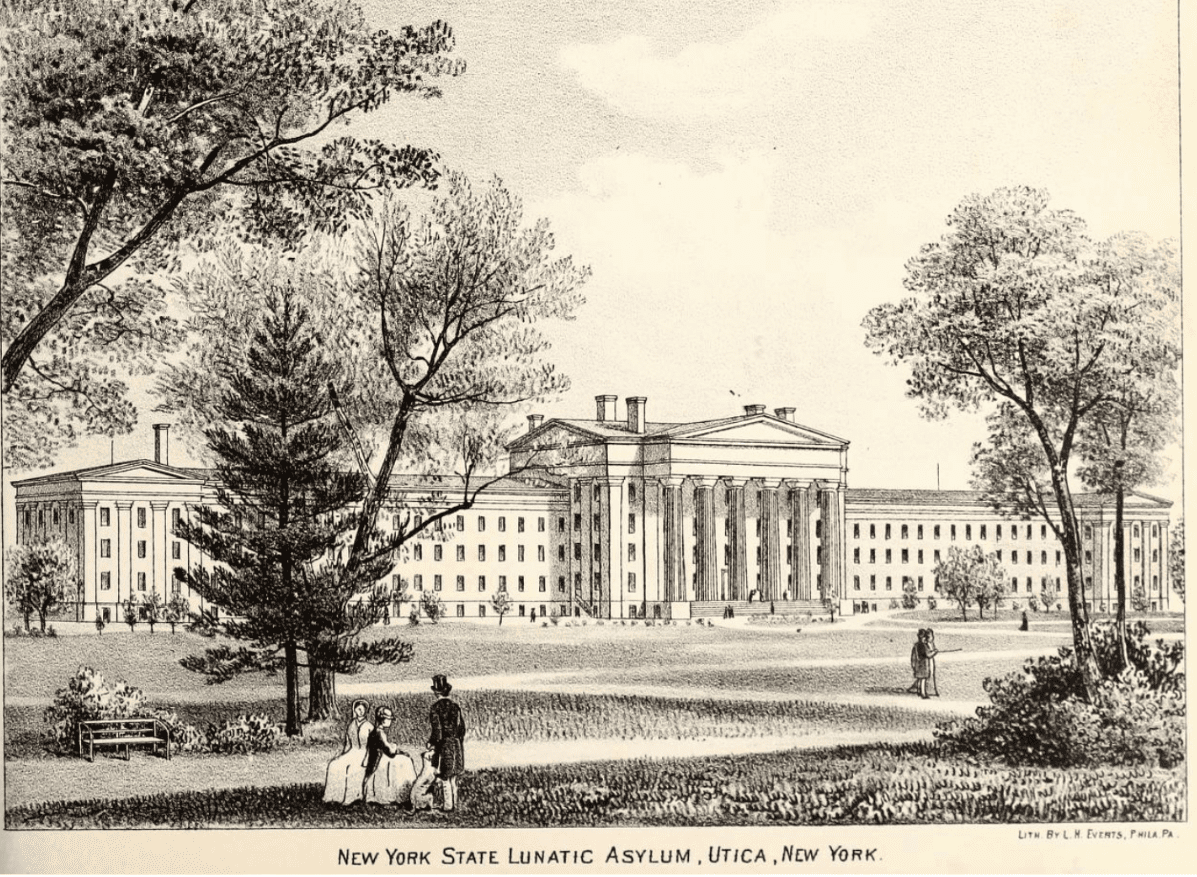
The Utica Psychiatric Center is one of New York State’s oldest mental health facilities. The history of the establishment of the psychiatric center dates back to the first half of the 19th century, specifically 1843. Originally, the center was called the New York State Lunatic Asylum at Utica.
The building of the first NY mental hospital consisted of four wings with a central courtyard. The main building was opened in 1843. In the first years of operation, numerous people who required psychological and psychiatric care were admitted to the facility. There was even a shortage of beds because of the high number of patients. Therefore, the second and third wings were opened in 1846 and 1950.
The founding of such an institution in 19th century New York was due to forward thinking and a response to the need for more humane and specialized care for people with various mental illnesses. Even the building of the hospital was built with therapeutic properties in mind. It was designed by William Clark and resembled a massive castle-like structure.
Innovative treatment approaches in the Psychiatric Center in New York
In the 1840s, Utica State Hospital became a center for innovative methods of treating mental disorders. The first director of the hospital, Amariah Brigham, contributed to it significantly. As it is known, the treatment of mentally ill people used to be very cruel and unethical. The hospital director was in favor of a moral and compassionate attitude toward patients, their involvement in their own treatment and a structured daily routine.
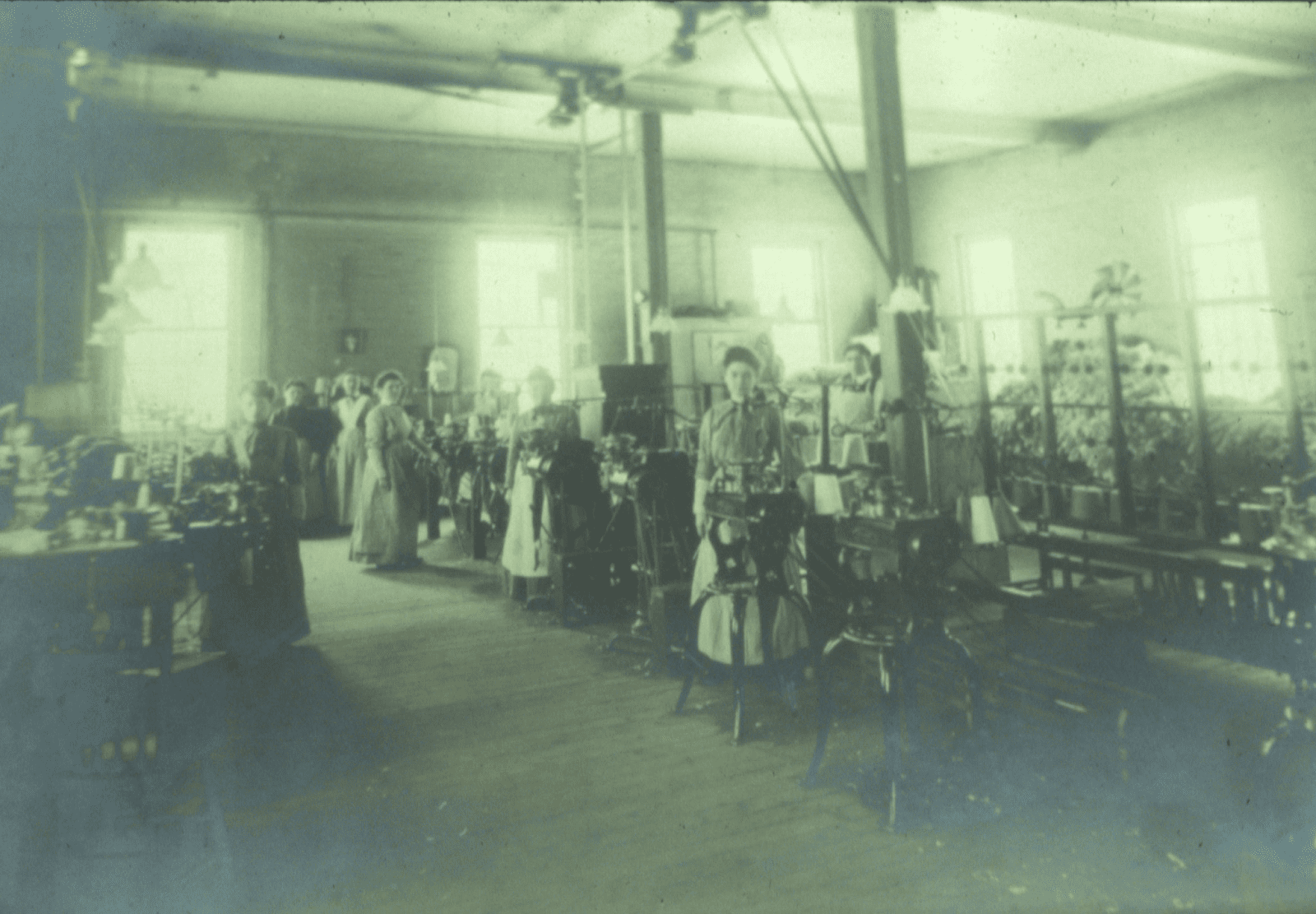
Besides, the first director of the New York psychiatric hospital, Brigham, believed that a bad environment leads to the development of these disorders. Therefore, he applied specific methods to treat psychotic people. Apart from medication, he provided patients with the best spacious rooms, healthy multiple nutrition, daily physical exercises and even mental stimulation. Brigham also considered labor the best way to overcome mental illness. That is why, in the Utica Psychiatric Center, patients often engaged in needlework, gardening, carpentry and other activities.
In the 1840s, the first director of the NY psychiatric hospital supported holding a fair where patients’ works were displayed and sold.
The new treatment practices used at the Utica Psychiatric Center for the mental recovery of patients were very different from the popular methods in New York in the early 19th century.
Criticism of therapy methods
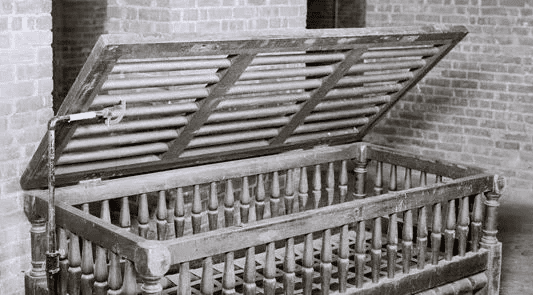
It would seem that the humane treatment of mentally ill people was prioritized over the abusive one. Unfortunately, it was far from the case. One of the innovative methods created by the first director of the hospital, Brigham, was heavily criticized. It was called the Utica crib and was applied as a therapy for mentally disturbed people.
In particular, Brigham strongly disliked one of the treatment modes used in his hospital – chaining patients. So, Brigham invented the Utica crib as an alternative to brutal treatment. It was a huge bed with slats and a hinged top that could be closed. This bed looked like a small cage. This therapy in the New York psychiatric hospital was used when patients became uncontrollable.
This approach was no less cruel than chaining. That is why the NY Medical Society was widely criticized. Although some patients found this treatment quite useful. After spending a night in the Utica crib, one inmate at the New York psychiatric hospital said that he had a good sleep and gained strength.
Problems and closure of the hospital
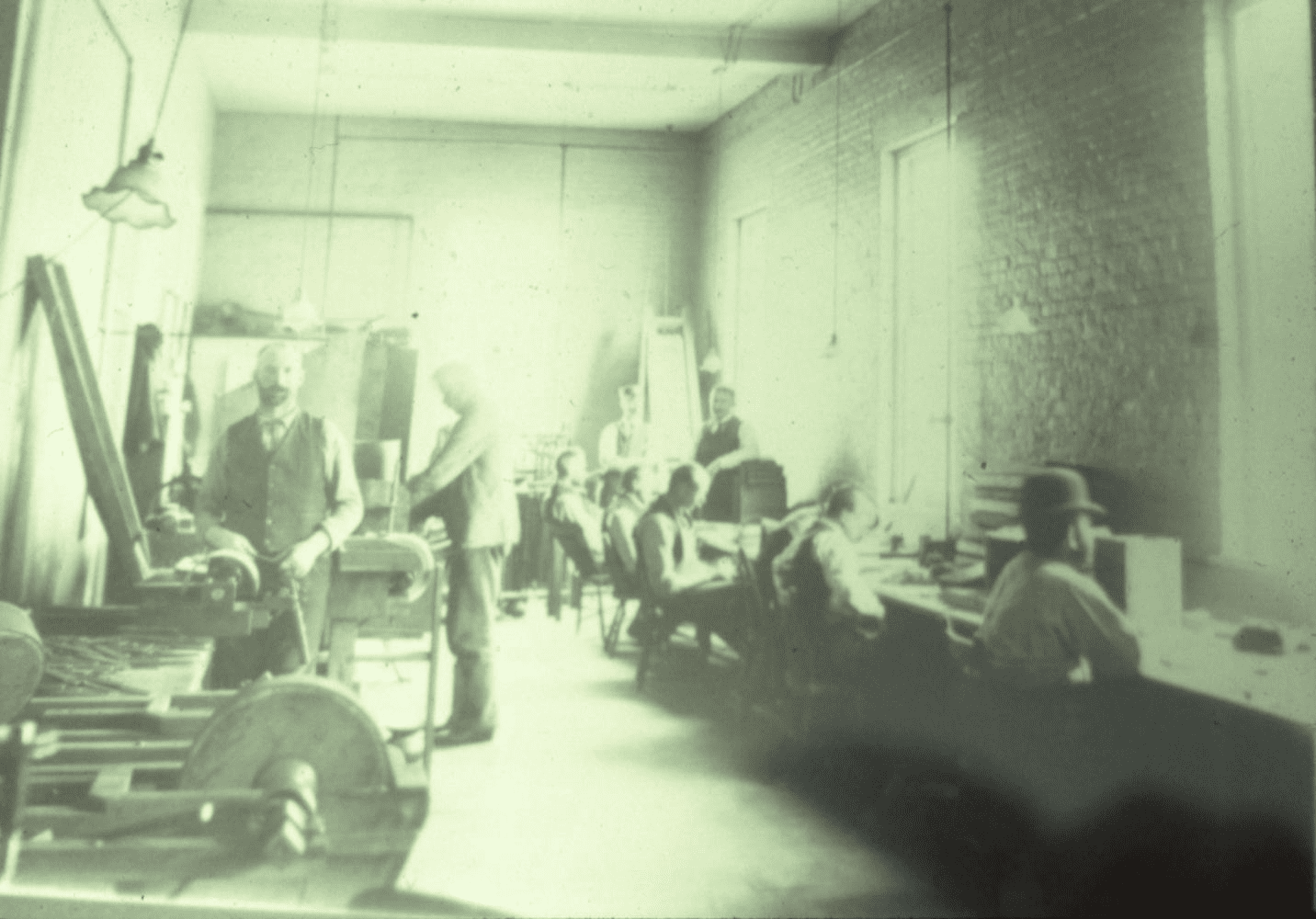
At the end of the 19th century, Utica State Hospital faced some problems caused by a rapid influx of patients. Therefore, at the end of the 19th century, new buildings were built and the hospital expanded considerably.
The innovative treatment of mentally ill people remained the most important feature. For many years, doctors sought to provide the best care for the sick. As the field of psychiatry evolved, so did the approaches in the hospital, including new therapy methods, medications and psychological interventions.
At the beginning of the 20th century, the Utica Psychiatric Center played a crucial role not only in patient care but also in psychiatric education. Doctors and scientists put a lot of effort into understanding the nature of mental illnesses and their treatment modes.
Already in the mid-20th century, a notable reform took place in the field of psychiatry. As a result, the New York State Lunatic Asylum at Utica was downsized. In 1977, the last patients of the psychiatric hospital were transferred to other facilities or received treatment in their place of residence. The hospital itself closed its doors forever. Since then, it has been operating as an archive of the New York State Office of Mental Health.