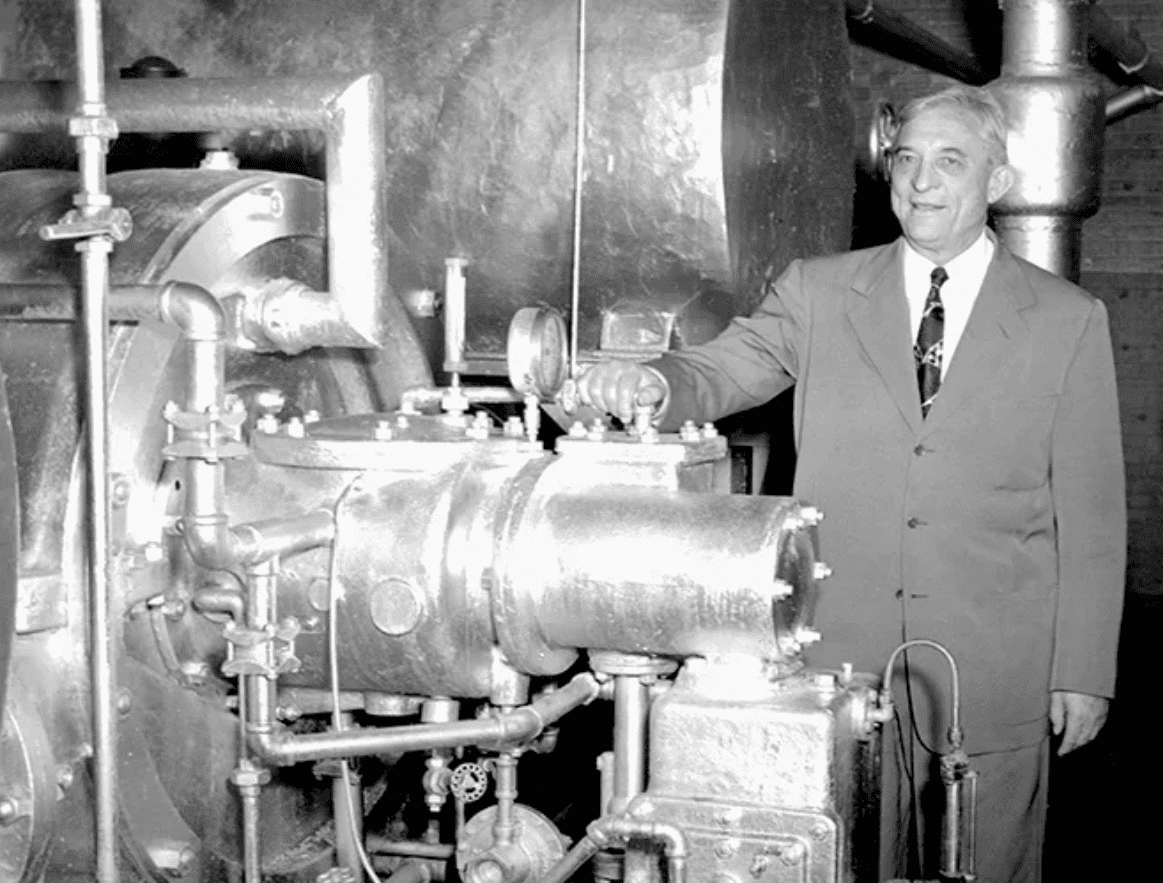

An air conditioner (AC) is an innovative system without which people can hardly imagine their life today, especially on hot summer days. Most people around the globe take this machine for granted without thinking about its history and creator. Meanwhile, the history of air conditioning is a unique event that everyone should know about! It’s strange that the first air conditioner in the world was invented not in the tropics but in the bustling city of New York by engineer Willis Carrier. Learn more at i-new-york.
What was the impetus for the creation of an air conditioner?
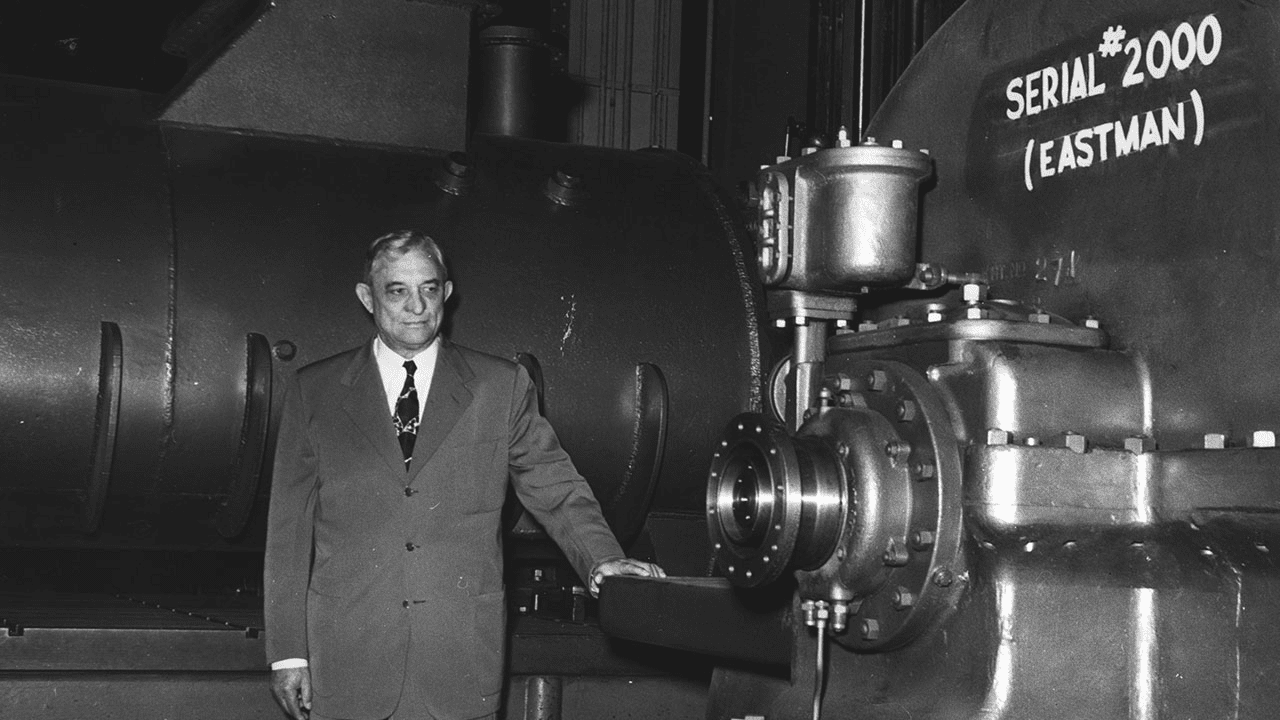
Climate change has affected humanity not only in the 21st century but as early as the 20th century. Back then, in the early years, residents of different cities throughout the planet began to face such abnormal phenomena as incredibly snowy winters and extremely hot summers. In the 20th century, summers in New York were just as exhaustingly hot and humid. In those years, it was very difficult to hide from the heat in the concrete jungle. As a result, New Yorkers often faced discomfort, health risks and decreased productivity during the day. The problem needed to be urgently solved.
At the time, there was one inventor who took up this problem and developed an innovative air conditioning system. It was Willis Carrier. In particular, at the beginning of the 20th century, a New York lithographing and publishing company, Sackett & Wilhelms faced another problem caused by high air temperature, namely paper compression and deterioration of image quality. In publishing, the color printing process consisted of printing the same sheet of paper up to four times, each time with the ink of a different color. In the early 20th century, due to the heat and humidity in New York, the paper simply shrank. Already in 1902, Willis Carrier presented the world with ground-breaking drawings of an air conditioning system.
About engineer Willis Carrier
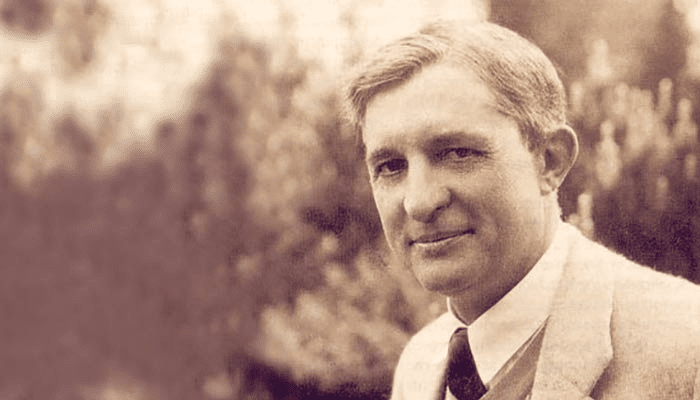
The future engineer and inventor of the first AC, Carrier, was born in Angola, New York, in 1876. He grew up in an average family and displayed an interest in science from a young age. That is why, in 1894, he graduated from Angola Academy and in 1897 from the Buffalo High School. He decided to connect his further life with engineering sciences. Carrier entered Cornell University in 1897 and got a master’s degree in 1901. In 1902, he introduced his ground-breaking air conditioning system.
How did New Yorkers escape the heat before the invention of the air conditioner?
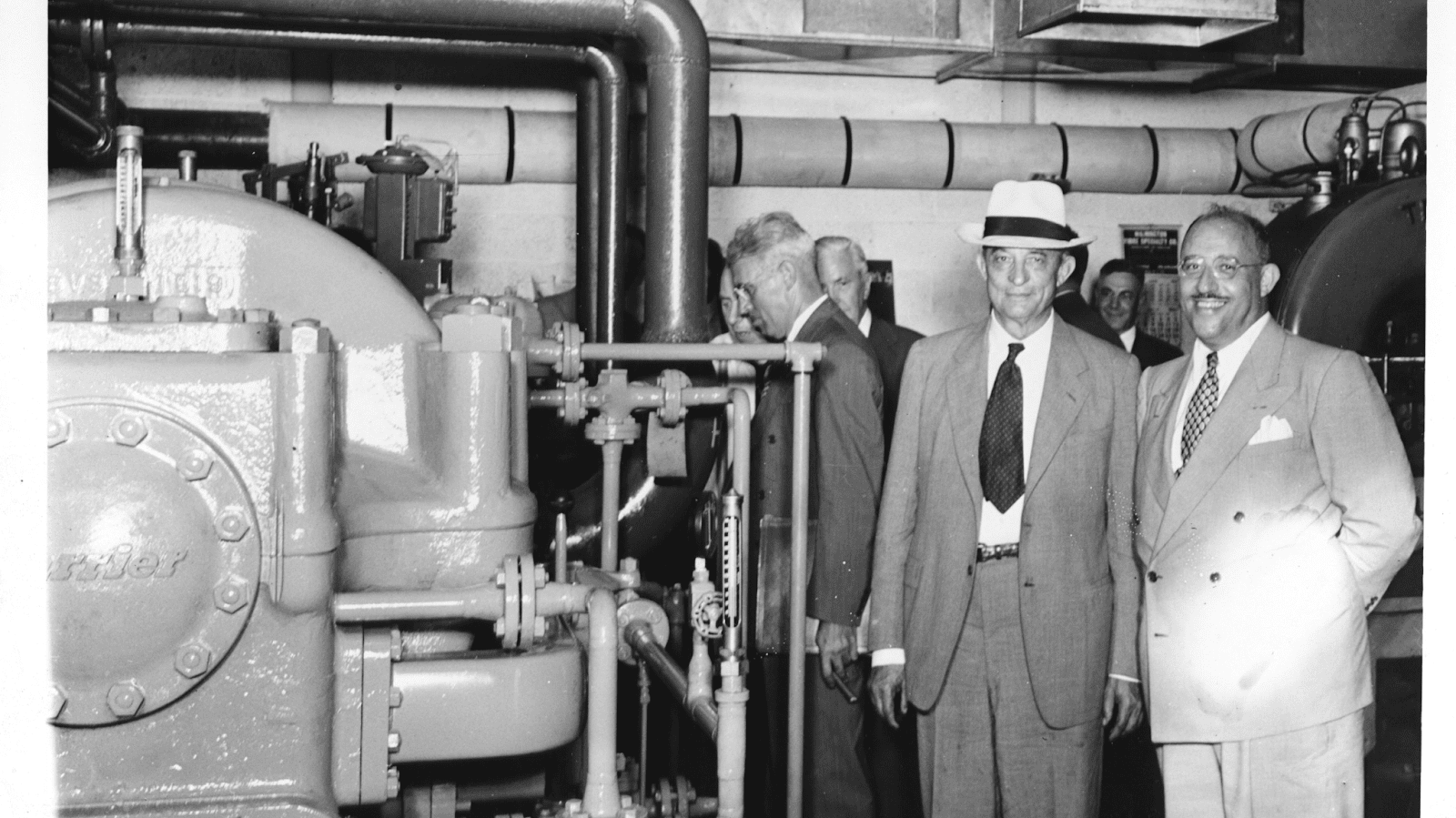
Before Carrier developed the air conditioning system, residents of New York City used primitive ways to get away from the heat:
- They avoided being under the Sun, stayed indoors or in the shade
- Used portable ventilators or hand fans
- Wore light clothing
- They kept windows and doors closed during the hottest part of the day
- Applied wet cloths to their bodies
- Drank plenty of water
- Avoided intense activities
- Regularly bathed
- Used manual water sprayers.
Carrier’s revolutionary invention
Carrier’s invention was revolutionary in the history of air cooling technology. The system employed a combination of cooling and air distribution to regulate temperature and humidity. The device circulated air through coils filled with cool water, thereby removing excess heat and moisture. This ensured precise control of the microclimate in different rooms.
Carrier’s air conditioning system was patented. In 1908, the Carrier Air Conditioner Company was founded to produce air conditioners.
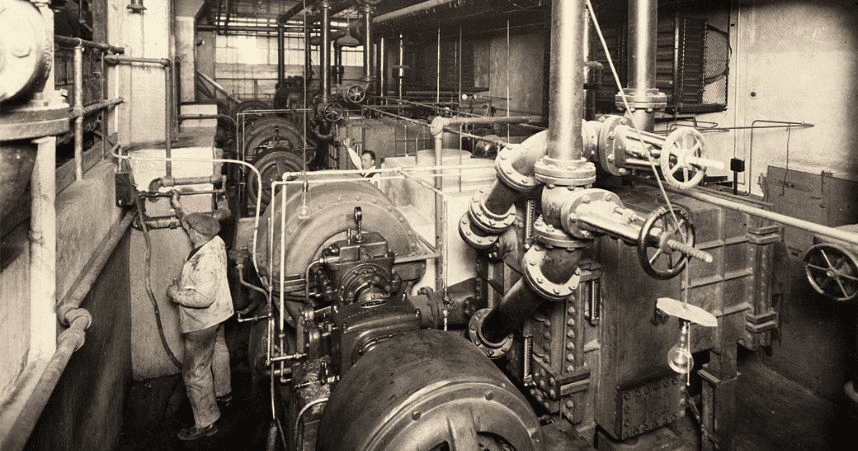
The first air conditioning system was installed at the Sackett & Wilhelms publishing house, as Carrier prioritized the problem this company faced. The printing process required strict control over temperature and humidity levels to prevent paper growth and ink smudging. The required microclimate in the publishing house was achieved with the help of the first conditioner called “Carrier”.
It should be noted that Carrier’s innovative solution faced a number of difficulties. During the Great Depression, the use of AC for residential and commercial purposes was significantly reduced.
Following the economic crisis, air conditioners began to gain popularity. Carrier’s devices were installed in local factories, industrial facilities and movie theaters that attracted people on scorching summer days. With time, air conditioners began to be used in various areas, as well as in residential premises.
Gradually improving, air conditioning systems became more accessible to every resident of New York and other cities.
Eventually, AC was no longer a luxury but a necessity for many Americans. The way people live, work and spend their leisure time has been changed by this device forever.
Ecological problems and energy efficiency
After the Second World War, almost everyone had air conditioners. At the same time, concerns about its impact on the environment and energy consumption began to arise among the public in New York and other cities. In view of these suspicions, scientists discovered that the Freon used in air conditioning systems was highly damaging to the ozone layer. Therefore, the air conditioner was modernized along with the adoption of more eco-friendly types of Freon.
In the 21st century, there are cutting-edge air conditioning systems that not only minimize their impact on the environment but are also power efficient. But we should not forget that our comfort would be impossible without the innovative development of Carrier at the beginning of the 20th century.