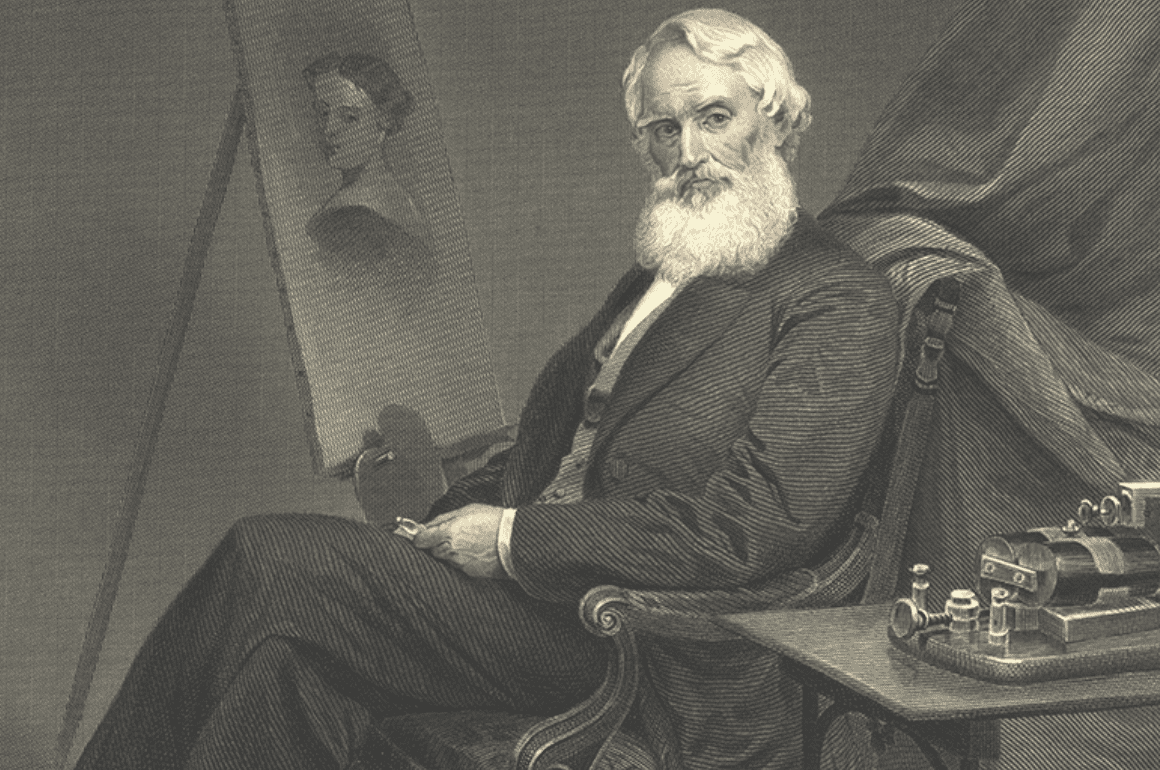

Morse code is known all over the world. It played an important role in the naval fleet during the transmission of radio telegraph signals, light (signal searchlights) and acoustic signals. At the same time, few people know the story of its creator, Samuel Finley Breese Morse. He was an innovator, explorer, inventor, and portrait artist, and influenced the technology of the 19th century. If not for him, we would never have known what a single-wire telegraph system was. Morse not only created the alphabet as a method of encoding text messages but also contributed to the development of the commercial use of telegraphy in the world. Read more on i-new-york.
Becoming an artist
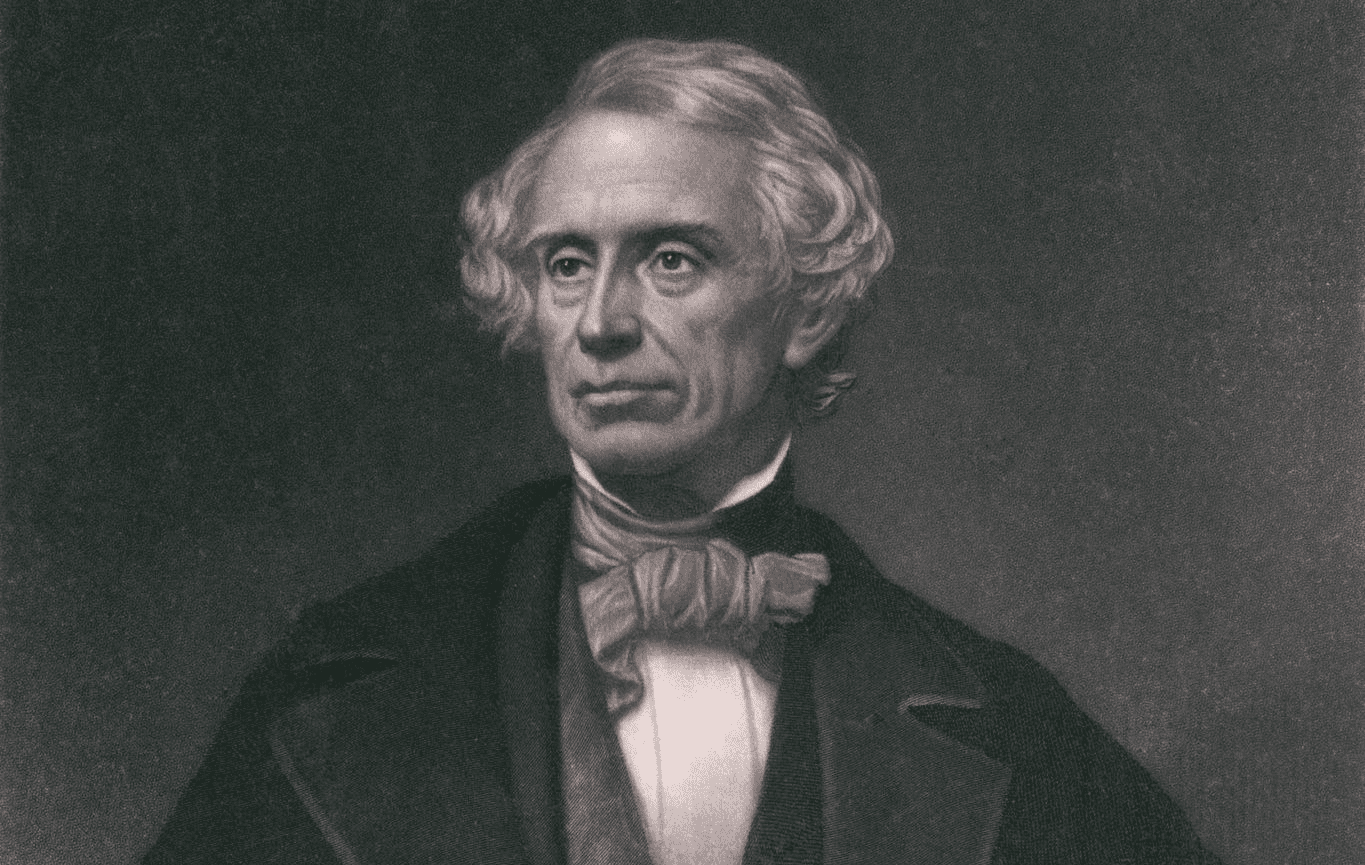
Morse was born in Charlestown, Massachusetts in 1791. He grew up and was brought up in the family of a pastor, a geographer, a great preacher of the Calvinist faith and a supporter of the Federalist Party. Undoubtedly, his father’s activities influenced him. He knew from an early age that nothing in this world can be achieved without proper knowledge and education.
He studied at Phillips Academy in Andover and Yale College. There, he was immersed in the study of religious philosophy, mathematics and natural sciences.
Even at a young age, Morse showed a real talent for drawing. This was given to him with great ease. Therefore, while studying in college, he started earning a living with the help of painting. Subsequently, he decided to develop as a professional artist and for some time studied painting with the famous American portraitist Washington Allston. He also received an art education while in Europe, where he also honed his skills. There, he became famous as an artist thanks to his portraits and historical paintings.
How did the artist become an inventor?
An artist is a person whose creative nature permeates every aspect of existence. He sees the world in unique shades and forms. His task is to convey this uniqueness through art. Such a person often has an extraordinary way of thinking, which allows him to see something special and inspiring in everyday things. This is exactly what happened to Morse when he returned from his creative journey in Europe to the US.
While on board the ship in 1832, he witnessed the conversation of young people. They talked about electromagnetism. Morse thought about a brilliant idea of the creation of an electromagnetic telegraph. Throughout the voyage, he was incredibly inspired by this discovery and could not wait to get home to devote himself to the development of the telegraph.
The telegraph and the Morse code as the main achievements of the innovator
In 1832, when Morse arrived in the United States, he settled in New York. All his subsequent life was inextricably linked with this city. He worked here, got married and raised a family. After his return, Morse was appointed professor of painting and sculpture at New York University. It should be noted that this position was the first of its kind in the entire country.
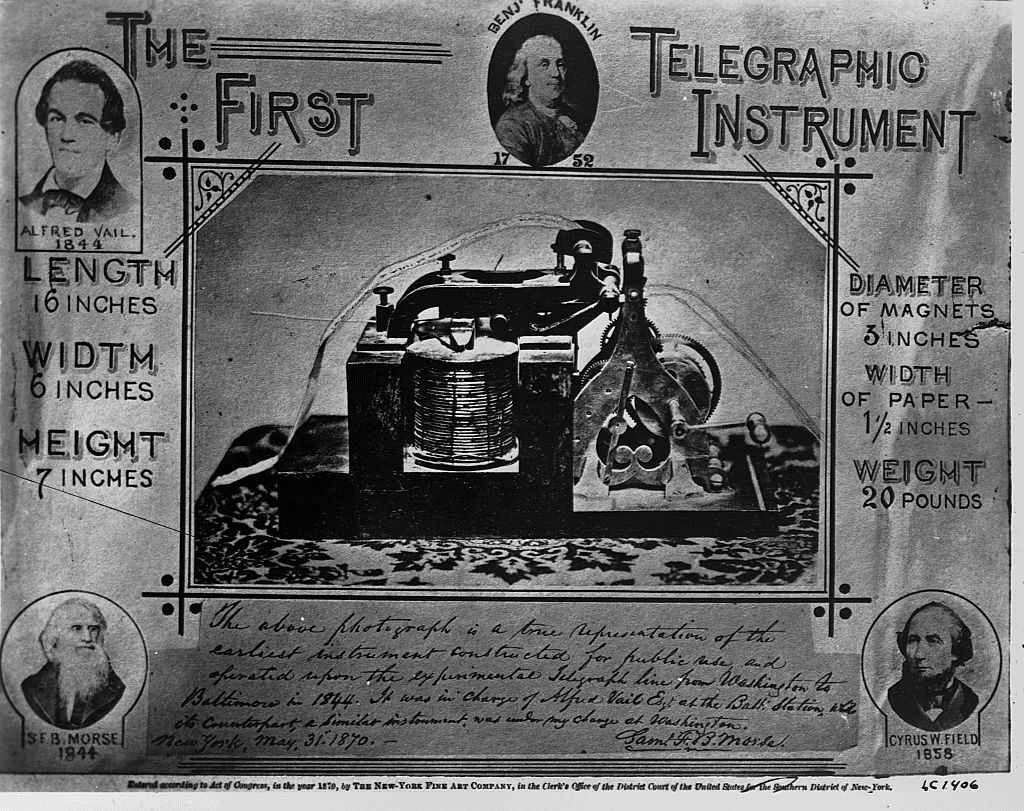
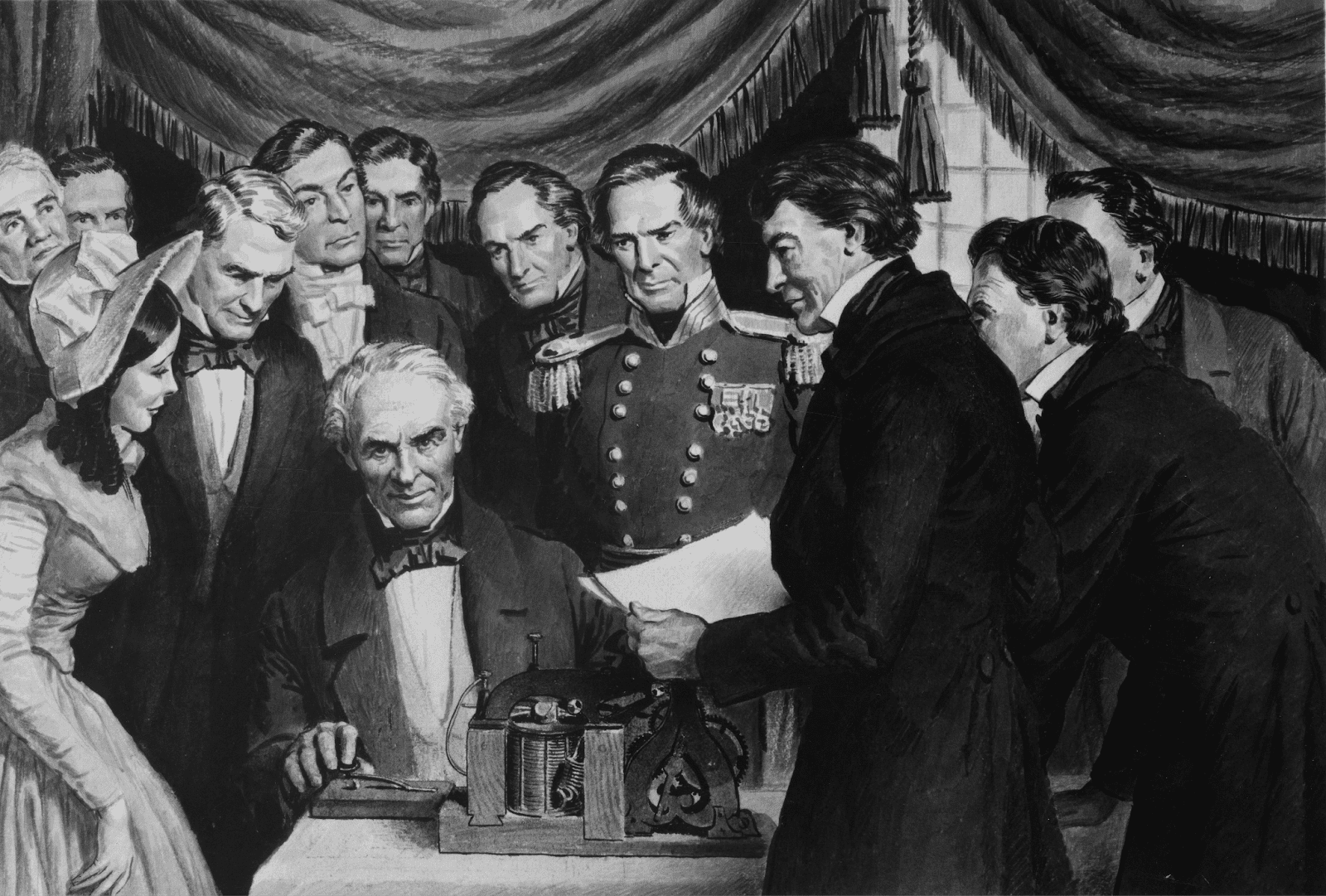
In parallel with this, Morse worked on the development of the telegraph or rather a telegraph signal capable of transmitting information over a distance of more than a few hundred yards. Professor and teacher of chemistry at University of NYC, Leonard Gale, helped Morse to succeed in his pioneering work. Thanks to his help, Morse was able to improve his invention and send the first message over a wire ten miles (16 km). It was a huge and long-awaited breakthrough both for Morse and for the whole world.
Morse made a real revolution by creating the telegraph. In 1845, with the support of the federal government, he created the Magnetic Telegraph Company. In the following years, it was engaged in the construction of telegraph lines from New York to Philadelphia, Boston and other nearby cities. Telegraph lines became an innovative solution that made life easier. Thus, after five years of the company’s work, about 12 thousand miles of wires were laid on the territory of the United States.
Perhaps, the most significant contribution of Morse to the development of the telegraph was the creation of the Morse code. It was a huge system based on a code of dots and dashes. Letters and numbers were deciphered in them. Morse code allowed mankind to exchange messages over very long distances using telegraph wires. This discovery became a turning point in the development and establishment of means of communication in the 19th century.
Morse influenced the technological revolution of the early 19th century. The whole world knows him primarily for the fact that he made a huge contribution to technology and communication, creating the telegraph and a way to transmit coded messages over long distances. However, his early career as an artist should also not be forgotten. He was an incredibly talented painter and devoted a significant part of his life to creating real masterpieces. Some of his artwork is on display at his Locust Grove estate in Poughkeepsie, New York. He was devoted to painting no less than to innovation and even helped to found the National Academy of Design in New York in 1826.