
The New York State Archaeological Association (NYSAA) unites both professional archaeologists and enthusiastic researchers interested in the ancient past of this territory. The organization supports archaeological and historical studies of the cultures that inhabited the region over the past 10,000 years, as well as the examination of their material heritage. NYSAA’s activities include participation in large-scale excavations across the state—from Iroquois settlements to colonial forts—and hosting lectures, exhibitions, and publishing popular materials for the general public. Read on i-new-york.com for more details.
The Birth of the New York State Archaeological Association
The history of NYSAA began in Rochester in 1916 with a small chapter that would later be named after Lewis Henry Morgan, the renowned lawyer, anthropologist, and researcher of Iroquois culture. It was there, among enthusiasts of ancient artifacts and the mysteries of the earth, that the idea matured to create an organization that would unite archaeologists across the state.
The first leader was Dr. Arthur C. Parker—a figure essential to the development of American archaeology. He combined scientific precision with a deep understanding of Indigenous cultures. Prior to his work in Rochester, Parker served for seventeen years as the first staff archaeologist and ethnologist for the New York State Museum, and later headed the Rochester Museum and Science Center. There, he built up the archaeological collections, initiated field research, and helped uncover the cultural heritage of the Genesee River valley for future generations.
In 1922, the association petitioned the New York State Board of Regents for official status as an educational corporation. Its mission was clearly defined:
- To promote archaeological research in New York, preserve collections, and document excavation results.
- To protect archaeological sites from destruction.
- To cultivate public respect for the past—from the most ancient cultures to the present day.
Over the years, the small society of enthusiasts grew into a powerful community. As stated in the NYSAA’s constitution:
“The purpose of the Association is to promote archaeological and historical research concerning the artifacts, rites, customs, beliefs, and other manifestations of the life of the indigenous cultures of New York State—up to the time of their contact with Europeans.”
NYSAA remains the main center for archaeology in the state—a place where the past is not just studied, but brought to life, telling its story from generation to generation.
New York’s Archaeological Network
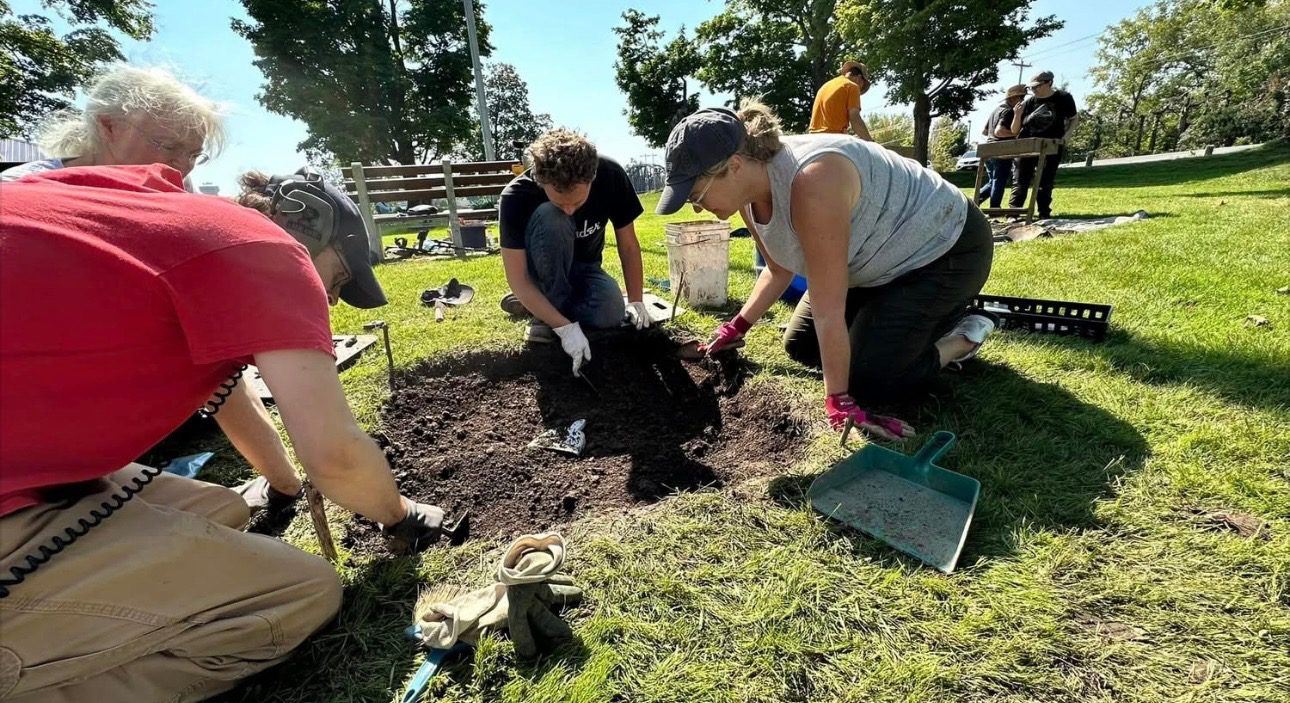
NYSAA is an entire network of people united by a passion for the past. Its foundation consists of local chapters operating across the state, from Long Island to the Adirondacks. Here, anyone interested can participate in archaeology at any stage—from field research and excavations to interpreting and publishing results.
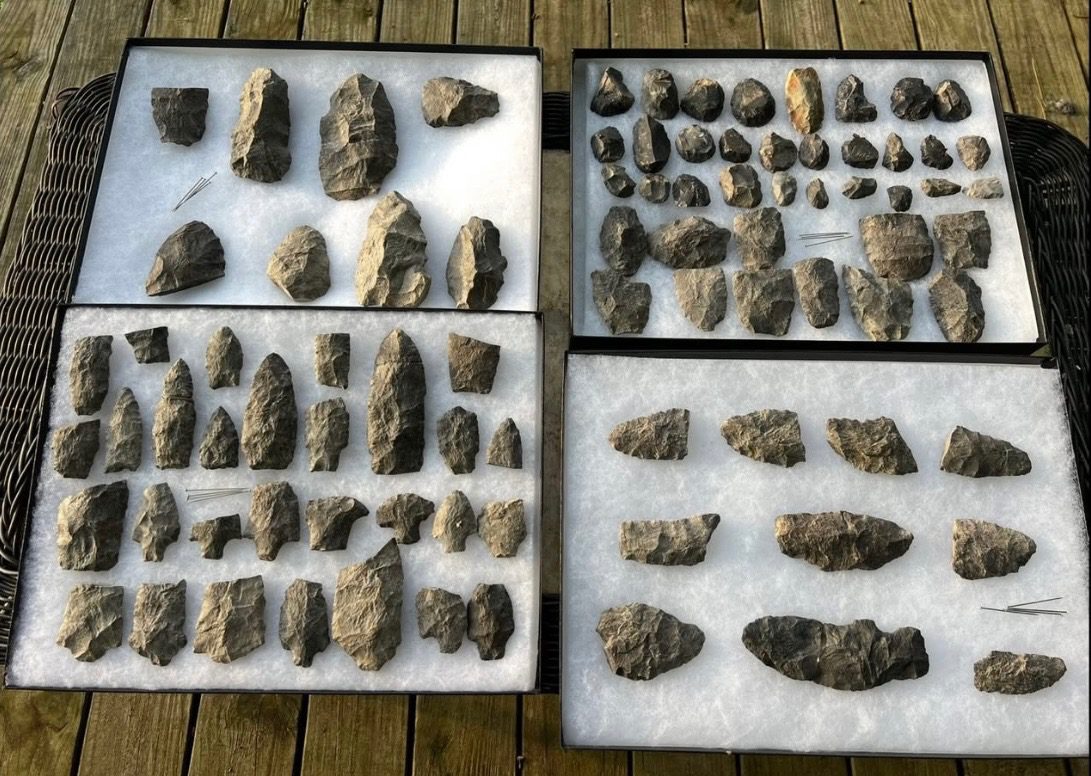
Every chapter maintains an active life, organizing lectures, tours, scientific meetings, and even conducting its own field research. Joining a local chapter is an opportunity to work on real archaeological digs, assist with cataloging found artifacts, or contribute to writing scientific reports.
As of 2025, NYSAA includes 16 regional centers. Many chapters have their own websites where they publish news, reports, and invitations to join expeditions.
Every spring, NYSAA holds a major archaeological conference open to the public. It takes place in a different city each time, giving every regional chapter a chance to host.
Throughout the year, the Association publishes three newsletters and the scholarly journal The Bulletin, which feature research results, discoveries, and archival materials.
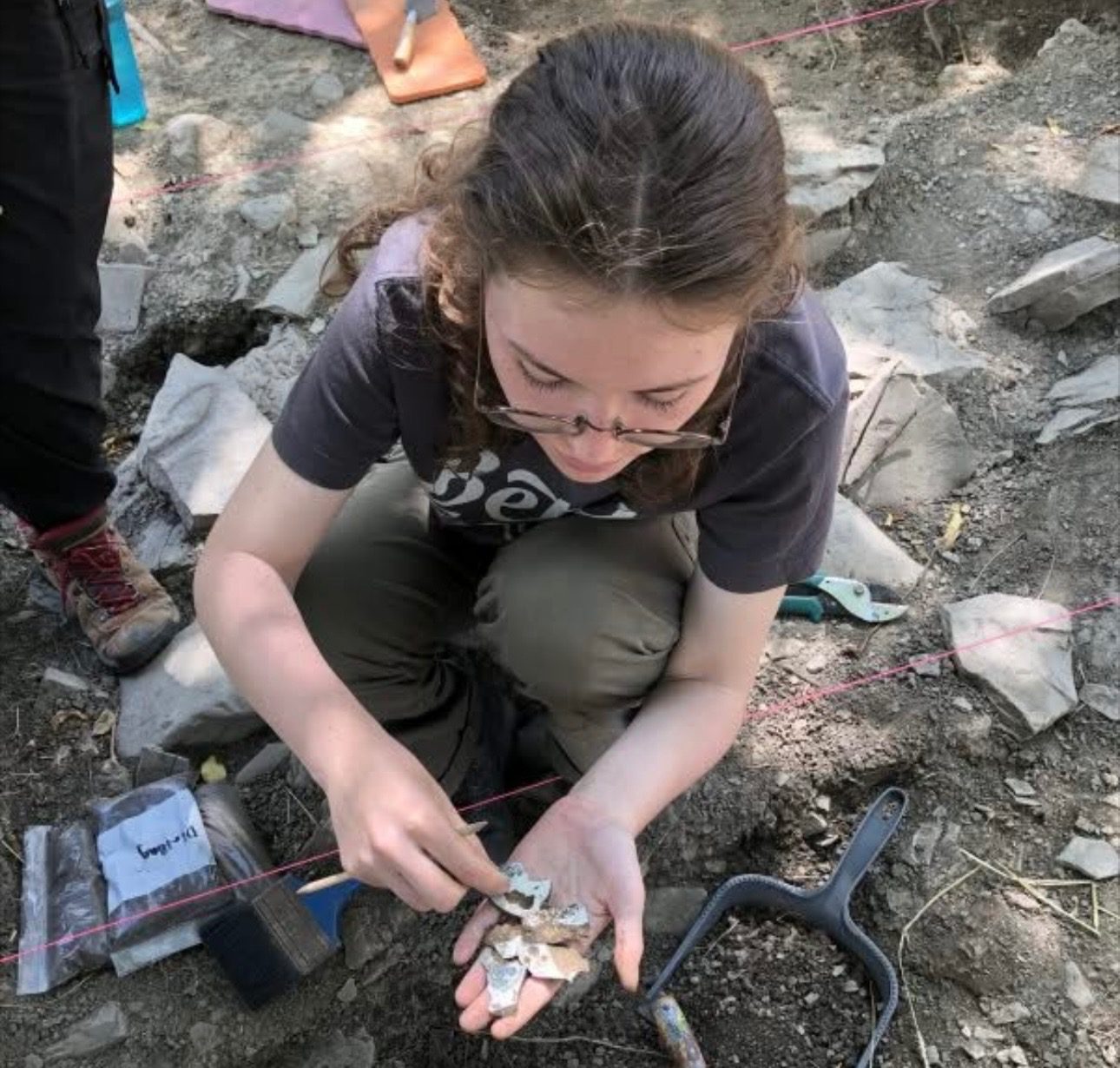
During the summer, most chapters take a break from official meetings, but members often gather informally to visit archaeological sites, assist in excavations, or simply share their experiences. The fall brings a new surge of activity: in September and October, the association joins Archaeology Week, when scientists nationwide promote archaeology through lectures, exhibits, and public events.
Among the known scholarly works housed in the Buffalo Museum of Science Library are dozens of reports on excavations, ethnographic studies, and historical reviews dating back to the late 19th and early 20th centuries.
These include The Migrations of the Seneca Nation (1927) and Characteristics of Iroquoian Villages of Western New York (1916)—works that became the foundation of modern regional archaeology.
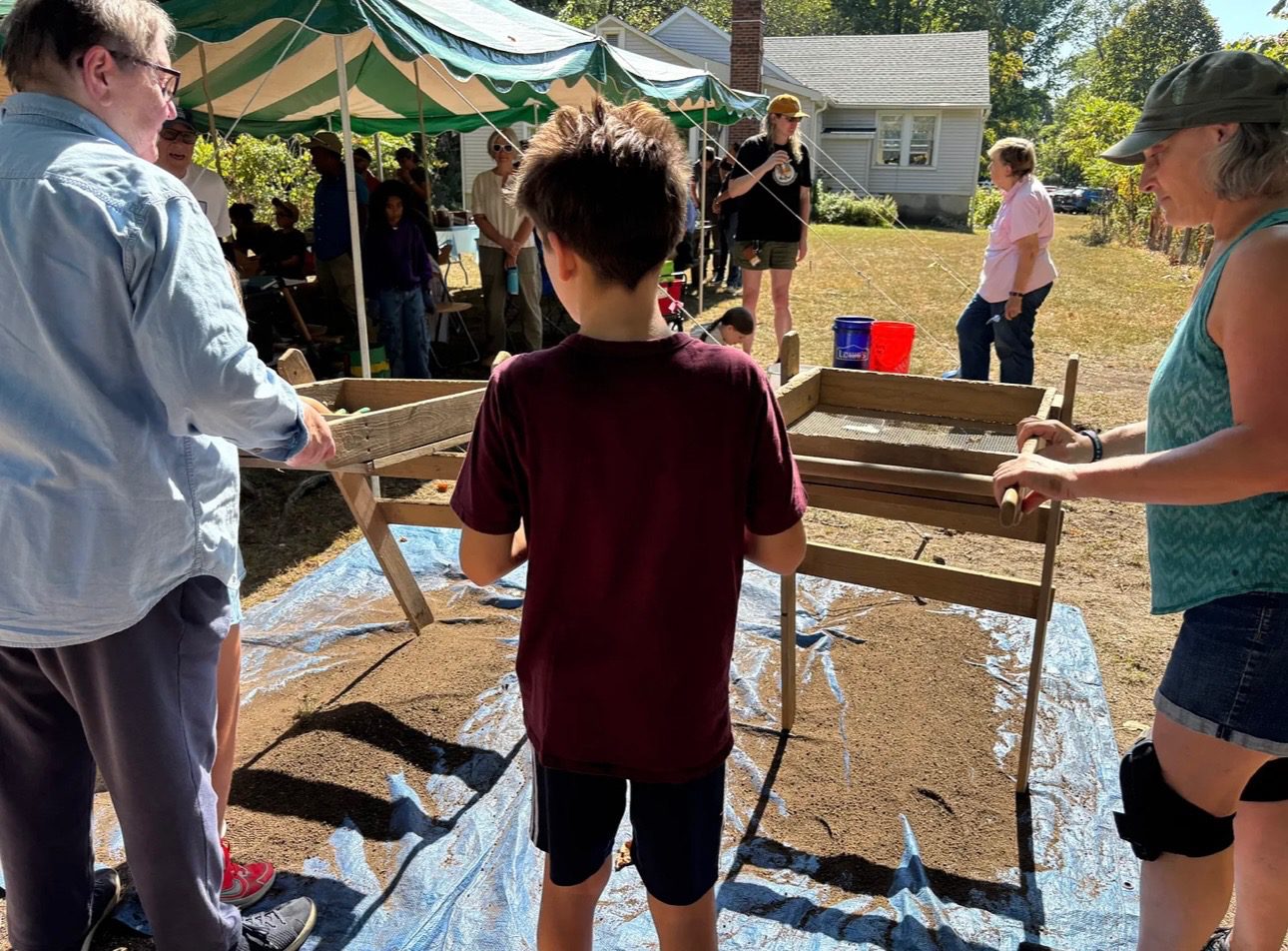
Although not all chapters currently lead their own excavations, interested individuals can join field work through the Archaeological Survey at the University at Buffalo or the Hiscock site at the Buffalo Museum of Science. This is a great opportunity to feel history literally emerging from the ground.
Events and Gatherings of New York’s Research Community
The world of archaeology, history, and folk art in New York maintains a vibrant life with exhibitions, conferences, research grants, and inspired meetings. Every event is a step toward a deeper understanding of the past, creativity, and scholarly inquiry. Here are some of them.
- The “Birds in Beadwork of the Haudenosaunee” Exhibition.
Until September 2025, visitors to the Roberson Museum in Binghamton can see a unique exhibition curated by researcher Dolores Elliot. It is dedicated to the beadwork of the Haudenosaunee people—a masterful craft that began in the 16th century when European glass beads arrived in America. Over two hundred pieces—pins, frames, and bags ornamented with birds and flowers—demonstrate the ingenuity and subtle aesthetic sense of the Indigenous peoples.
- The 2025 Annual NYSAA Conference.
From May 2 to 4, 2025, archaeologists gathered near Niagara Falls at the Niagara Riverside Resort Hotel. Three days of intensive sessions, discussions, and presentations concluded with a banquet.
- OAS Online Meetings.
Canadian colleagues from the Ontario Archaeological Society’s (OAS) London Chapter regularly invite participation in open ZOOM discussions.
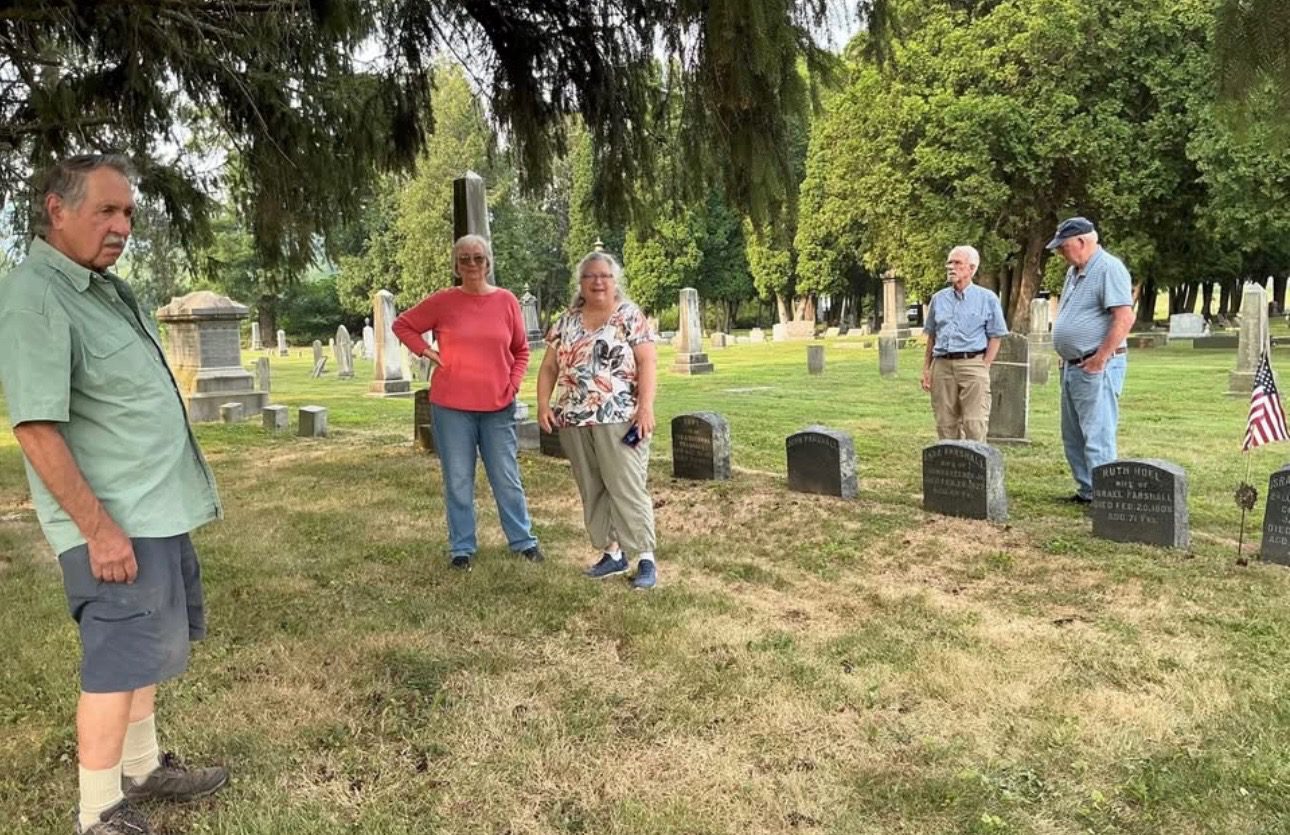
- Ithaca Cemetery Tour.
On October 15, 2025, anyone interested had the opportunity to walk through the 16 acres of Ithaca’s municipal cemetery, learning about the burials of African Americans—both free and formerly enslaved.
- The Robert Funk Memorial Fund—Grants for Researchers.
Archaeologists working within New York State can apply for funding from the Robert Funk Memorial Archaeology Foundation. Grants of up to $2,500 support both small, individual studies and parts of larger projects, from artifact analysis to radiocarbon dating.
- Archaeology Day at Croton Point Park.
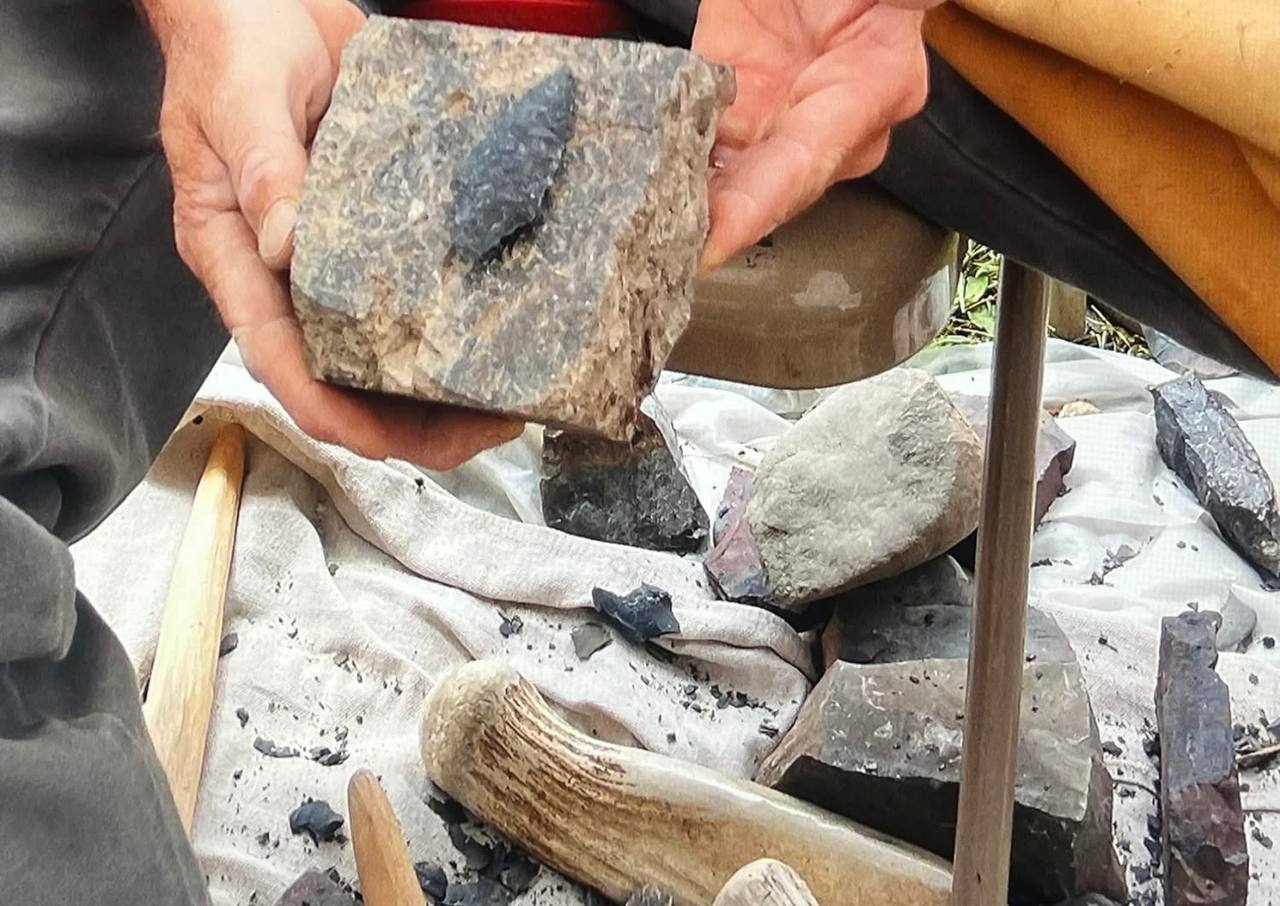
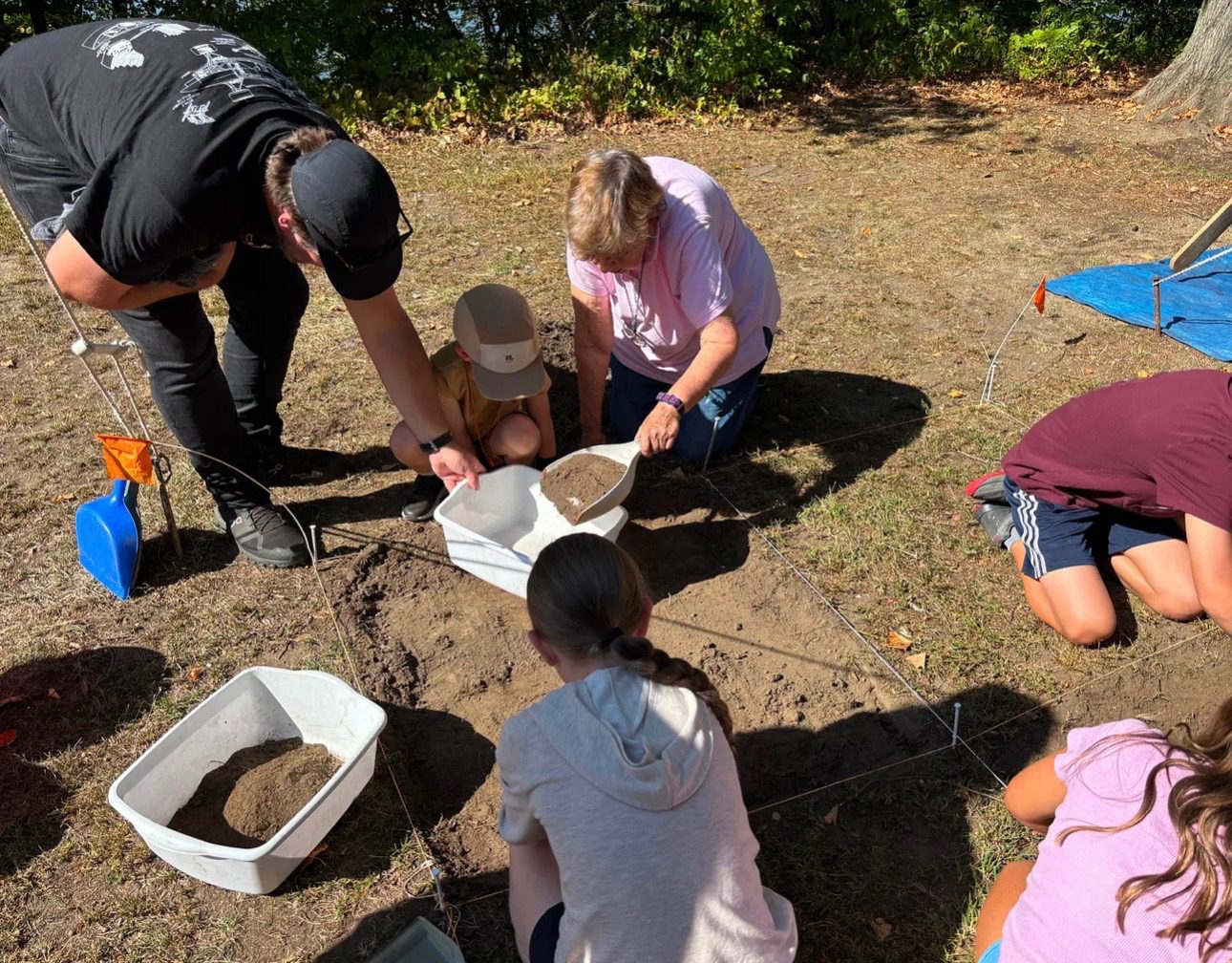
This annual event is hosted by NYSAA. Families with children observe archaeologists demonstrating ancient crafts: making stone tools, starting fires, and excavation methods.
The next major meeting of the New York State Archaeological Association will take place on April 17–19, 2026, in Rochester. Topics will range from the 200th anniversary of the Erie Canal to the 225th anniversary of the Revolutionary War and African-American archaeology.
Participation in almost all community events is open to anyone interested in the past—from students to seasoned archaeologists.
Archaeology in New York is not just about digging; it’s a living community united by a love for history, science, and cultural heritage.
Student Scholarship for New York Archaeology Research
In the fall, in October 2025, two established organizations—the Archaeological Institute of America’s New York State Chapter (AIANYS) and the New York State Archaeological Association (NYSAA)—once again opened the door to the past, offering young researchers a chance to make their own discovery.
Their joint scholarship provides $1,500 to conduct archaeological research, archival or field projects, collection analysis, or even create an educational initiative related to New York State history. Students and graduate students enrolled in accredited universities in the U.S. or Canada are eligible to apply. The main requirement is to have a compelling idea and the readiness to go beyond the textbook.
The application process is simple but requires focus: a brief project description, budget, work schedule, academic transcript, and a letter of support from a faculty member. By December 19, a jury consisting of four experienced scholars from both organizations will select the one student whose idea can come to life in the field, lab, or archive.
However, the most exciting part begins afterward. Once the research is complete, the student presents their results to the academic community, writes an article for the AIANYS and NYSAA newsletters, and receives free membership in both organizations. This is an opportunity to feel like part of the real archaeological world, where field excavations replace classroom lectures, and ancient stones speak the language of millennia instead of notes.
“Archaeology isn’t just a search for old things,” the organizers say. “It’s a way to know ourselves through the history of those who lived before us.”
And perhaps that is why this scholarship is not just financial support. It is an invitation onto a path that leads from the pages of a notebook to the excavation site, from theory to discovery, and from curiosity to a true calling. After all, the future of science is born from those who ask questions about the past.