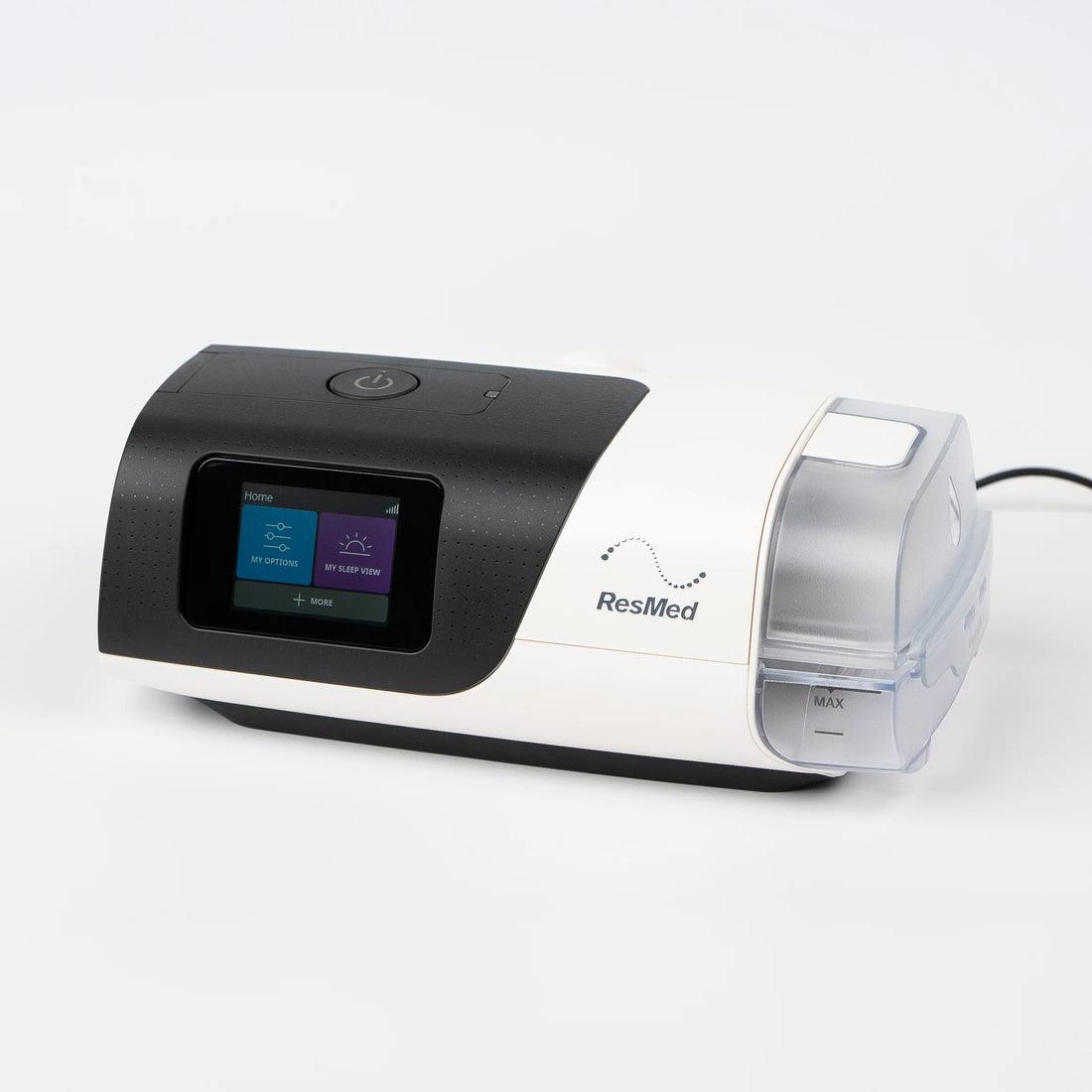

CPAP (Continuous Positive Airway Pressure) therapy is one of the most effective methods of treating sleep apnea and other respiratory diseases. Over the past decades, numerous studies have been conducted on the impact of this therapy on the quality of life of patients. Now we will review the results of these studies and their impact on improving the quality of life of patients after starting treatment.
- Improved sleep quality.
The first and perhaps most important benefit of CPAP therapy is improved sleep quality. Studies show that patients who use devices with this technology report fewer awakenings at night, improved sleep stages, and longer sleep duration, which leads to an overall improvement in rest.
- Reduction of apnea symptoms.
CPAP therapy effectively controls the symptoms of sleep apnea, including interruptions in breathing and decreased oxygen levels in the blood. This helps patients feel more rested and energized during the day, increasing their productivity and vitality.
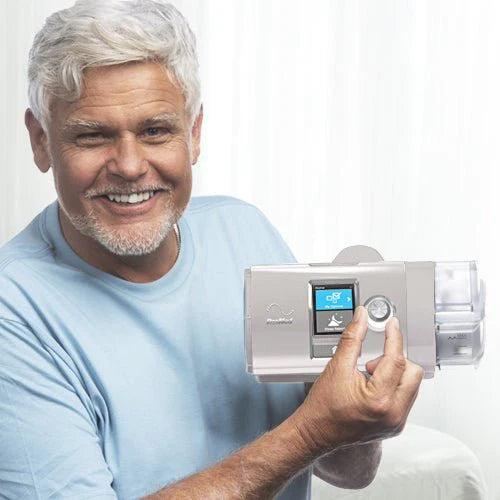
- Improved physical and mental health.
Studies show that treatment with Continuous Positive Airway Pressure technology can help reduce the risk of cardiovascular disease, depression, and other mental disorders. Patients who regularly use devices with this technology are more likely to experience an overall positive mood and improved self-esteem.
- Improved quality of life.
Considering all these factors, it is not surprising that CPAP treatment significantly improves the overall quality of life of patients. Reduced sleep apnea symptoms, improved sleep quality, increased energy, and positive effects on physical and mental health help patients feel better and enjoy a fuller life.
Research clearly shows that treatment improves the quality of life of patients with sleep apnea and other respiratory conditions. This confirms the importance of timely diagnosis and treatment of these conditions to improve the overall health and well-being of patients.
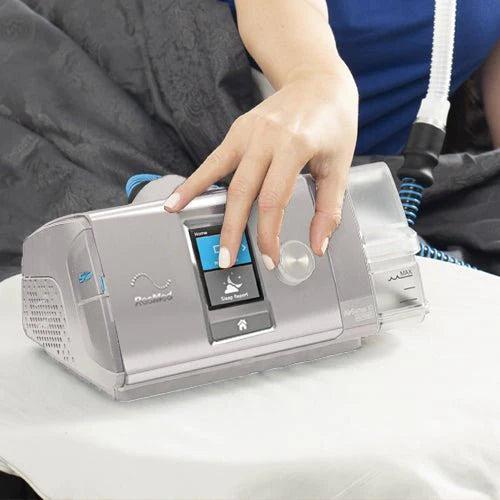
What are the modern, progressive methods of CPAP therapy?
Modern advanced Continuous Positive Airway Pressure therapy techniques include a variety of innovations and improvements aimed at increasing efficiency, convenience, and comfort for patients.
Progressive therapy techniques:
- Automatic pressure control (Auto-CPAP). This method allows CPAP devices to automatically adapt the level of air supply pressure depending on the patient’s needs. The system detects fluctuations in breathing and automatically adjusts the pressure to ensure optimal comfort and treatment effectiveness.
- Two-level positive pressure support (BiPAP or VPAP). These techniques are used to treat patients with more complex forms of apnea, such as central apnea or obstructive sleep apnea with significant variations in respiratory power levels.
- Playing sound signals or creating melodies to maintain the appropriate breathing rhythm. This innovation helps patients maintain optimal respiratory function and provides a more pleasant experience of healthy sleep.
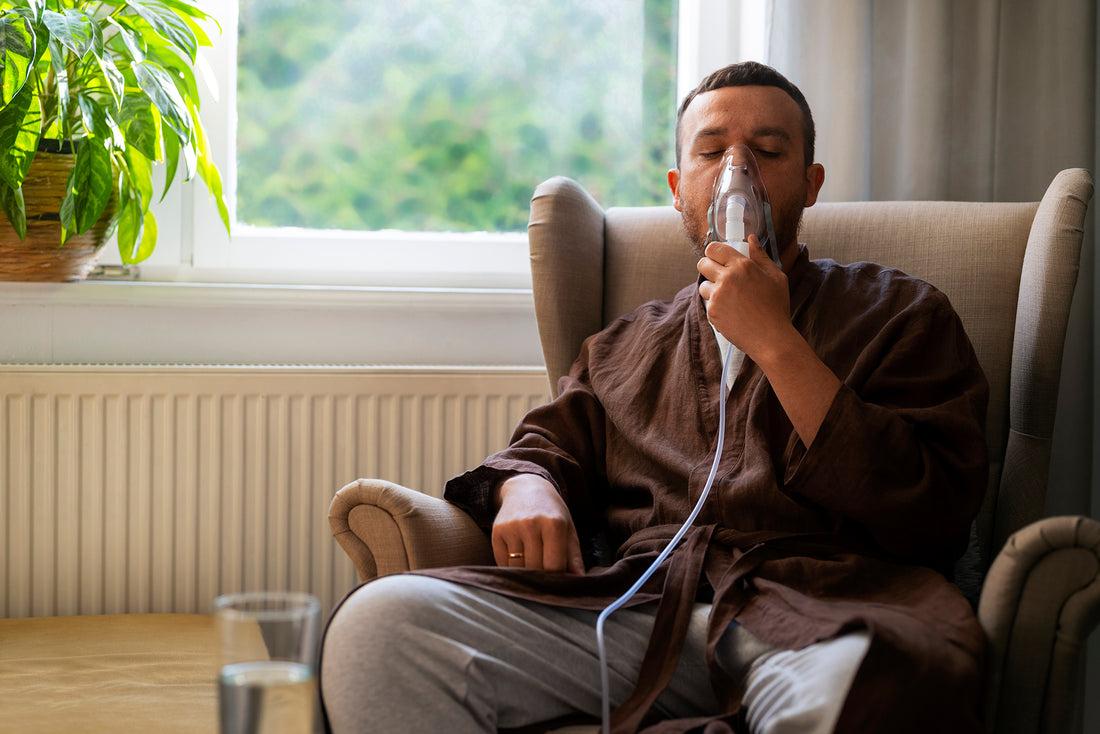
4. Integration with mobile apps and online platforms. Some modern devices can connect with mobile applications that allow patients to track their respiratory activity, display sleep statistics, and communicate with their doctor.
5. Adaptive ventilation technology. Certain models of devices are equipped with adaptive ventilation technology, which provides an individualized approach to treatment, ensuring the optimal level of support for respiratory function.
These advanced techniques allow patients to receive the most effective and comfortable treatment for sleep apnea and other respiratory diseases. To apply them effectively, you will need a high-quality Continuous Positive Airway Pressure machine: https://medsupplycart.com/