
Central Park is one of the most famous parks in the world. Welcoming over 40 million visitors every year, this green oasis has rightfully earned its status as New York City’s hallmark landmark. The park’s rolling hills, open lawns, and scenic slopes are beloved not only by tourists but by locals alike. Here, New Yorkers happily run, walk, train, join sports clubs, and compete. In fact, Central Park is arguably the most popular spot for sports in the entire city, chosen for its picturesque views, vast territory, convenient infrastructure, and welcoming community. However, this success didn’t happen overnight—it’s the result of dedicated daily work. Let’s dive into the history of Central Park’s athletic traditions in this article on i-new-york.com.
The History of Central Park
Admiring the beauty of today’s Central Park, it’s hard to believe that this land was once a solid swamp. Yet, the area always possessed one massive advantage: a prime location. In the mid-19th century, New York City was booming. As its population surged, new areas were aggressively developed, and city leaders harbored ambitious plans to compete with major European capitals. In the 1840s, discussions began for a large-scale project aimed at solving several issues. First, NYC authorities wanted to enrich urban life with a lush green sanctuary—a haven for both mental and physical rest. A touch of vanity played a role, too, as New York aimed to showcase its refined sense of design. Moreover, this vast midtown expanse stood out awkwardly with its rugged bluffs and marshland. Thus, the decision was made to transform the land into a public park for all New Yorkers.
In 1858, Frederick Law Olmsted and Calvert Vaux took charge of Central Park’s design after winning a public competition with their legendary “Greensward Plan.” The architects envisioned a space that starkly contrasted with the hustle and bustle of city life. Winding paths, scenic reservoirs, towering trees, and vibrant greenery were designed so that nothing would overshadow the park’s natural beauty. Achieving this dream required monumental effort, as the team essentially built a brand-new ecosystem from scratch. Year after year, Central Park expanded and debuted new spots to the public, with 1876 recognized as the official completion year.
As it turned out, building the park wasn’t the hardest part—maintaining it was. Central Park weathered many rough decades, including periods of decline in the 1930s and 1970s when the grounds were littered, the original vision was neglected, and safety was a major concern. However, through collective restoration efforts, the park was revitalized into the most visited park in the United States, an iconic NYC symbol, and a cherished local retreat. Since the 1980s, the park has been managed by the Central Park Conservancy, a non-profit responsible for cleanliness, historic preservation, visitor services, and overall maintenance. Thanks to their work, Central Park stands today as a safe, welcoming green oasis in the heart of the concrete jungle.
What Sports Are Popular in Central Park?
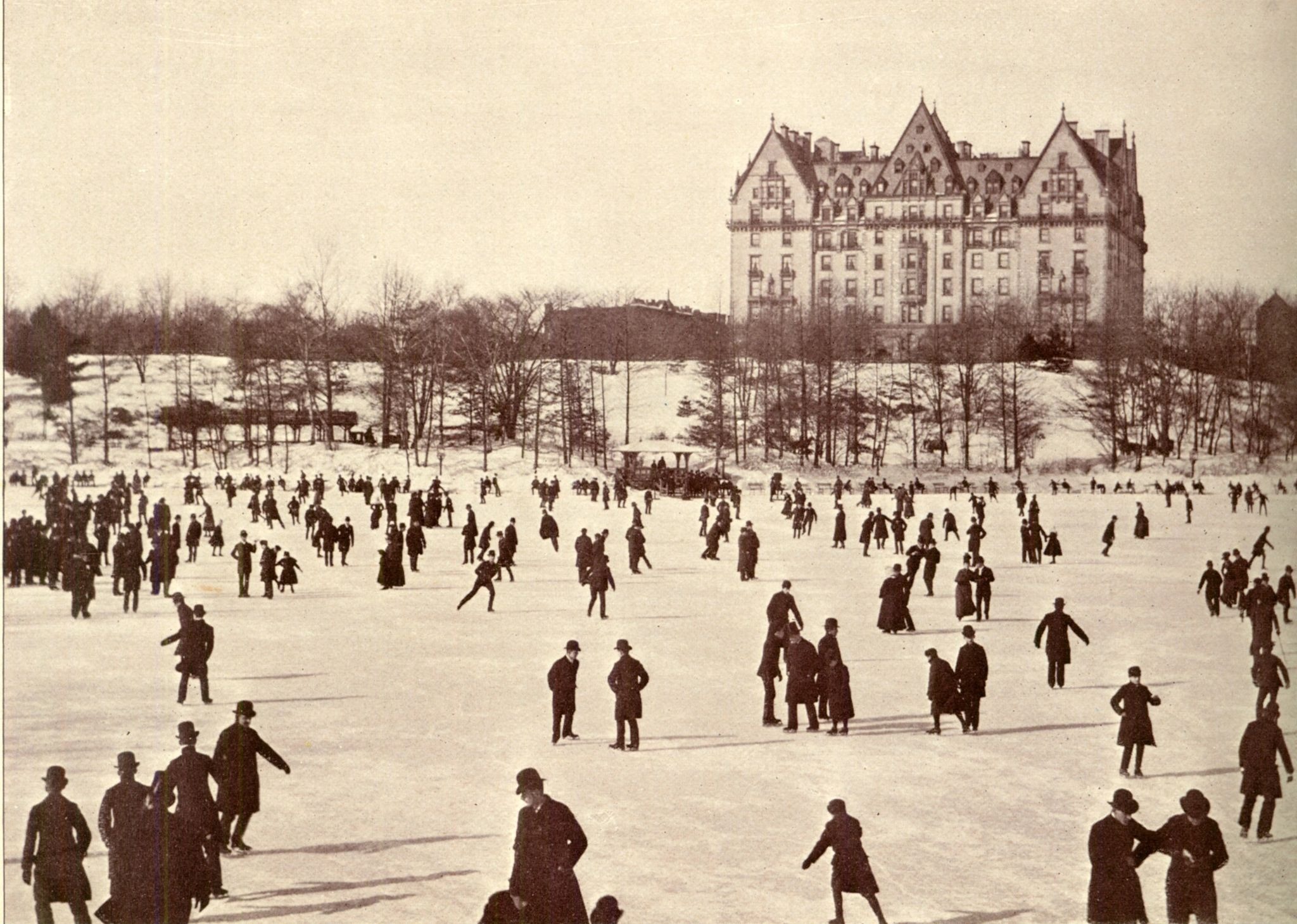
Under Frederick Law Olmsted’s original vision, Central Park was meant to be a quiet place for peaceful relaxation. The architect initially rejected almost all structured sports except for a few personal favorites. However, he could never have predicted that his creation would evolve into the city’s premier sports arena. While Olmsted permitted basic activities like jogging, rowing, walking, and ice skating, today the list is virtually endless. Soccer, volleyball, basketball, cycling, rollerblading, ice skating, boulder climbing, yoga, tennis, and even pickleball—Central Park has truly become an all-around sports arena for New Yorkers.
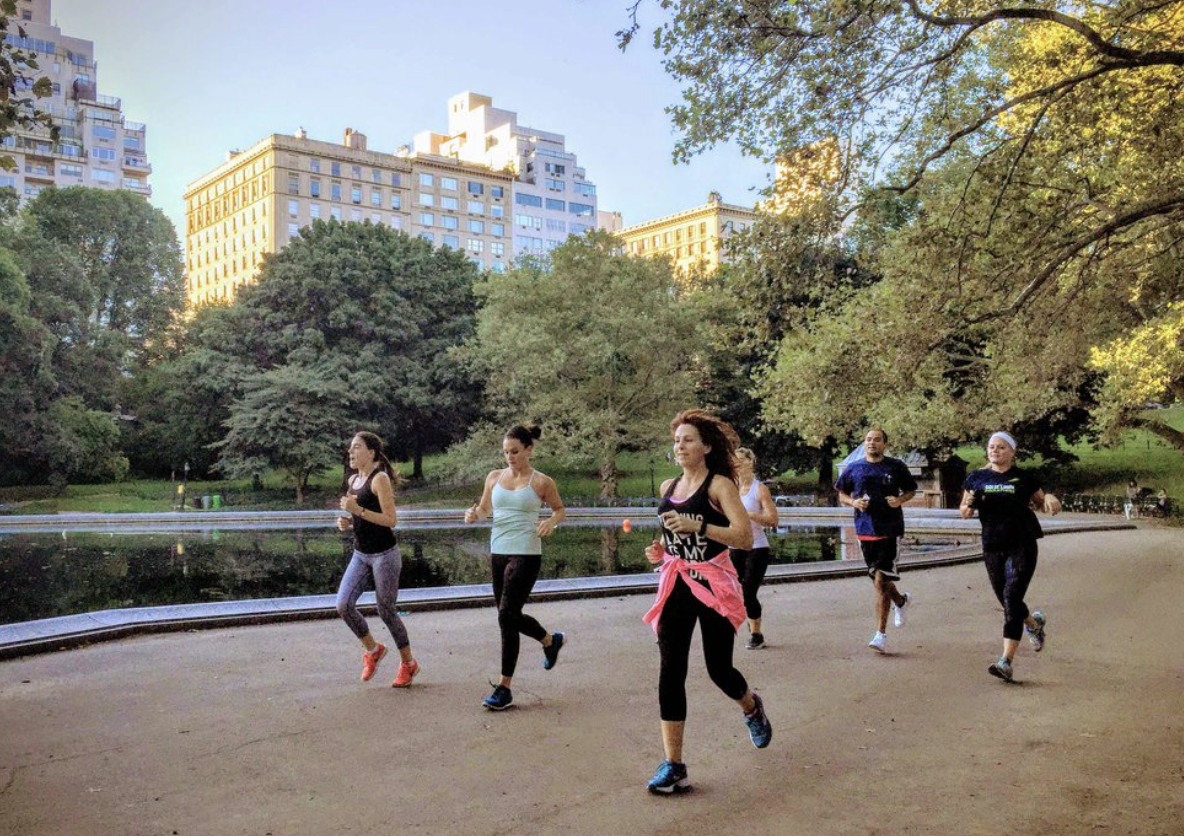
Unsurprisingly, running is the most popular sport in the park. Central Park offers diverse distances, running surfaces, and scenic views to satisfy runners of all levels, making it a go-to training ground for both seasoned pros and casual joggers. Athletes train here for major races, log miles for leisure, or join run clubs for social workouts. Options include the iconic 6-mile main loop, the scenic path surrounding the Jacqueline Kennedy Onassis Reservoir, soft dirt bridle trails, the steep incline of Great Hill, and many other routes. Runners can stick to designated lanes or explore their own paths. Crucially, everyone is expected to follow clear etiquette rules that govern interactions between runners, cyclists, and pedestrians—the three largest groups sharing the park.
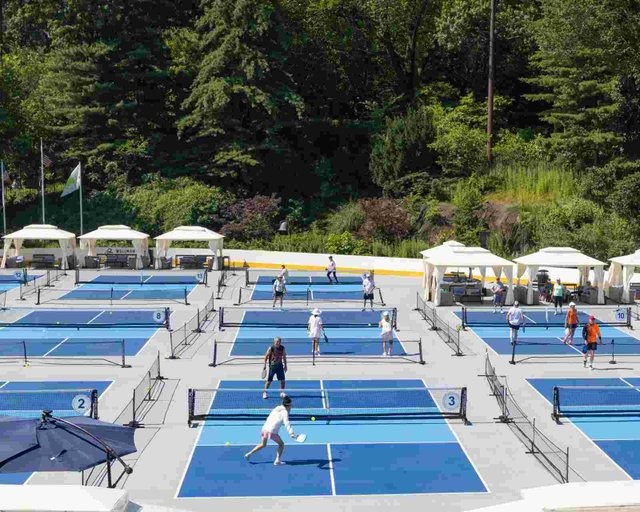
Team sports are equally popular across the grounds. As early as the 1930s, Central Park boasted fields for soccer and baseball, and today the variety of team games is unmatched. Volleyball players can choose between asphalt and sand courts. The park’s North Meadow features 12 fields dedicated to softball, baseball, touch football, flag football, and more. Playing softball in Central Park is even considered a rite of passage for local sports enthusiasts. One of the park’s greatest strengths is its versatility: right next to competitive matches, you’ll find outdoor yoga classes; on neighboring lawns, people toss frisbees and fly kites; and just a hundred yards away, climbers tackle Cat Rock or Rat Rock. Another famous recreation hot spot is Wollman Rink—an iconic ice rink for tourists and locals in the winter, and a bustling pickleball facility during the summer. Central Park truly offers something for every season and taste.
Why Did Central Park Become NYC’s Sports Capital?
The core philosophy behind Central Park was accessibility for all New Yorkers, a mission that has expanded over time to welcome millions of visitors from around the globe. Situated in the very heart of Manhattan, the park boasts an unbeatable location as a free, convenient, and well-equipped space. While fitness clubs and specialized courts are scattered all across the city, Central Park gathers soccer pitches, tennis courts, basketball hoops, and training groups all in one place. New Yorkers don’t need to trek to different neighborhoods for different workouts—they can simply head to Central Park, which connects it all. Its accessibility also means people of all ages, skill levels, and backgrounds can stay active here. Professional athletes, casual joggers, families with kids, and groups of friends easily share the same grounds, and everyone finds an activity to love.
Central Park is perhaps the easiest way to tap into the vibrant pulse of New York City. In a metropolis home to people from every corner of the world, this green sanctuary helps everyone find like-minded peers. Members of local run clubs and athletic groups consistently highlight this strong sense of community and belonging. In the middle of Manhattan, organizations host open workouts, local tournaments, and group runs that bring diverse people together. It’s the ultimate escape where New Yorkers recharge after work and leave daily stresses behind.
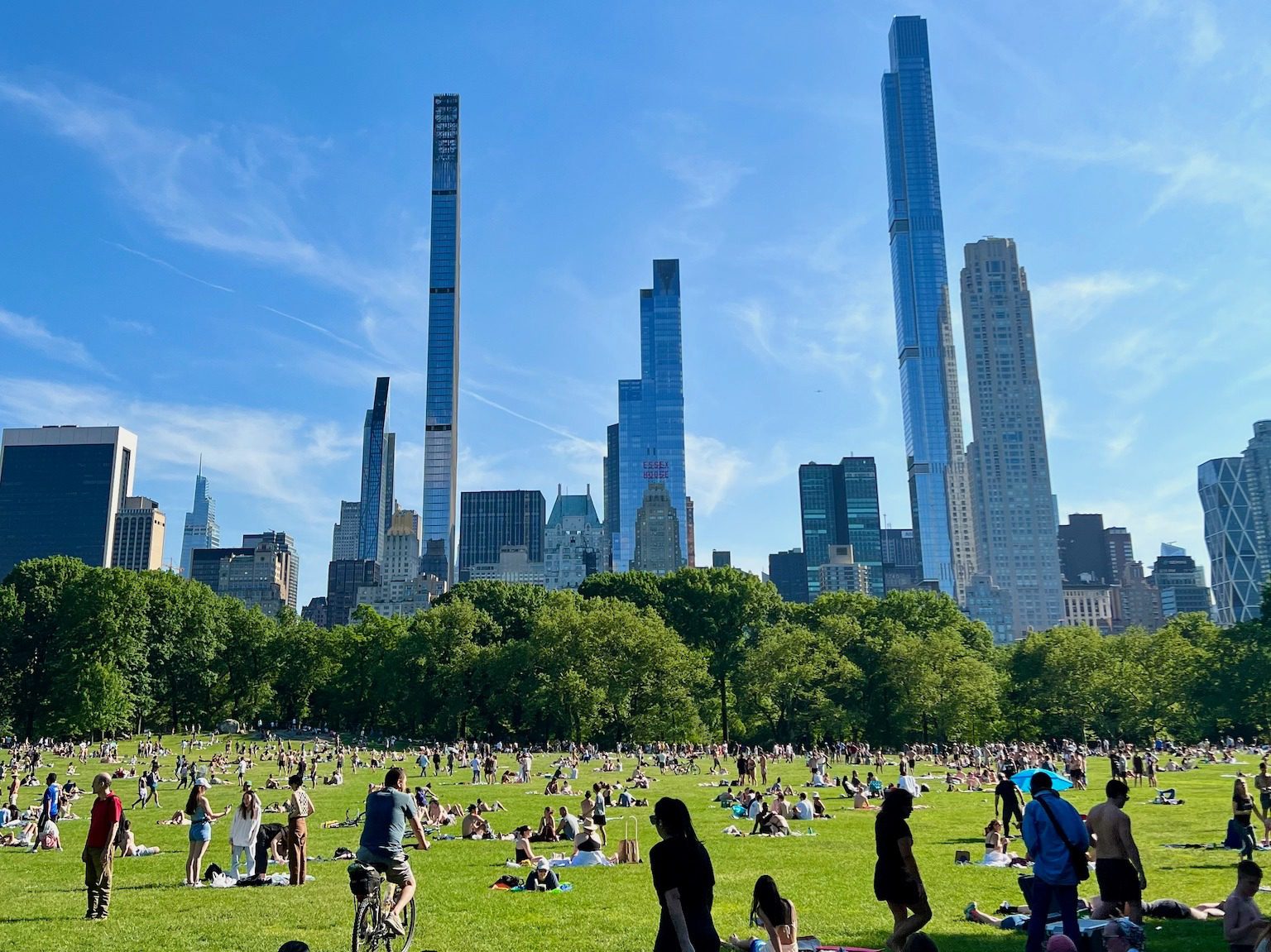
For decades, park management worked tirelessly to make Central Park a beloved staple for locals. After weathering tough times, the Central Park Conservancy succeeded thanks to smart organization and top-notch infrastructure. The park caters seamlessly to all kinds of athletes—from solo runners to large athletic clubs. Beyond its sports venues, the park provides hydration stations, equipment rentals, storage lockers, and restrooms. Best of all, every workout is framed by breathtaking scenery where nature meets the Manhattan skyline.
Sports Events: Marathons, Races, and Community Gatherings
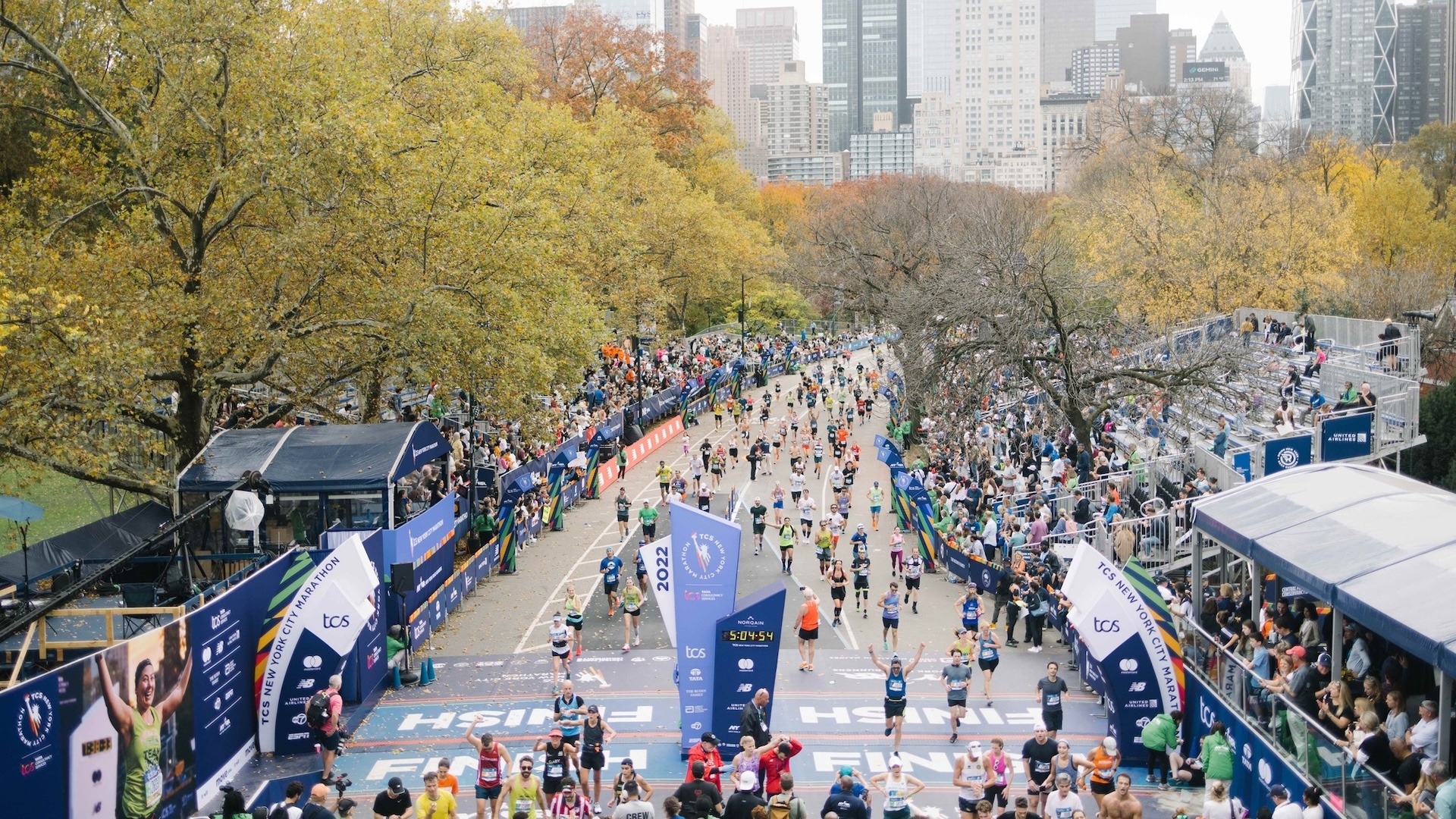
Central Park has long been legendary as a stage for major sporting events. Road races, cycling marathons, open group workouts, charity events, and community tournaments are integral to the park’s vibrant culture. This rich tradition took off with the New York City Marathon, which first launched in Central Park in 1971. What started as a modest local event with a few dozen runners has grown into one of the world’s premier marathons. While the race was expanded in 1976 to span all five NYC boroughs, Central Park remains its iconic centerpiece. It serves as the grand finish line where runners complete their 26.2-mile journey, greeted by crowds, the statue of race co-founder Fred Lebow, and the legendary Tavern on the Green restaurant.
The park is so deeply cherished by the athletic community that the marathon organizers, New York Road Runners (NYRR), host dozens of other races here year-round. Runners who aren’t ready for a full marathon can experience the park’s electric race-day vibe through shorter distances. Highlights include the winter Fred Lebow Half Marathon, famous 10Ks like the NYRR Manhattan 10K, NYRR Grete’s Great Gallop 10K, and the Mastercard New York Mini 10K, as well as 5Ks like the NYRR Start Line Series (Manhattan 5K). Central Park is also the go-to destination for holiday events and social causes. Whether it’s Independence Day, New Year’s, family fun runs, or charity drives, thousands gather here to race, practice yoga, ride bikes, or train together. Sports clubs choose the park for festivals, amateur leagues host competitive games, and non-profits blend fitness with philanthropy. Combining history, nature, and active living, Central Park continues to stand as New York City’s ultimate athletic arena.