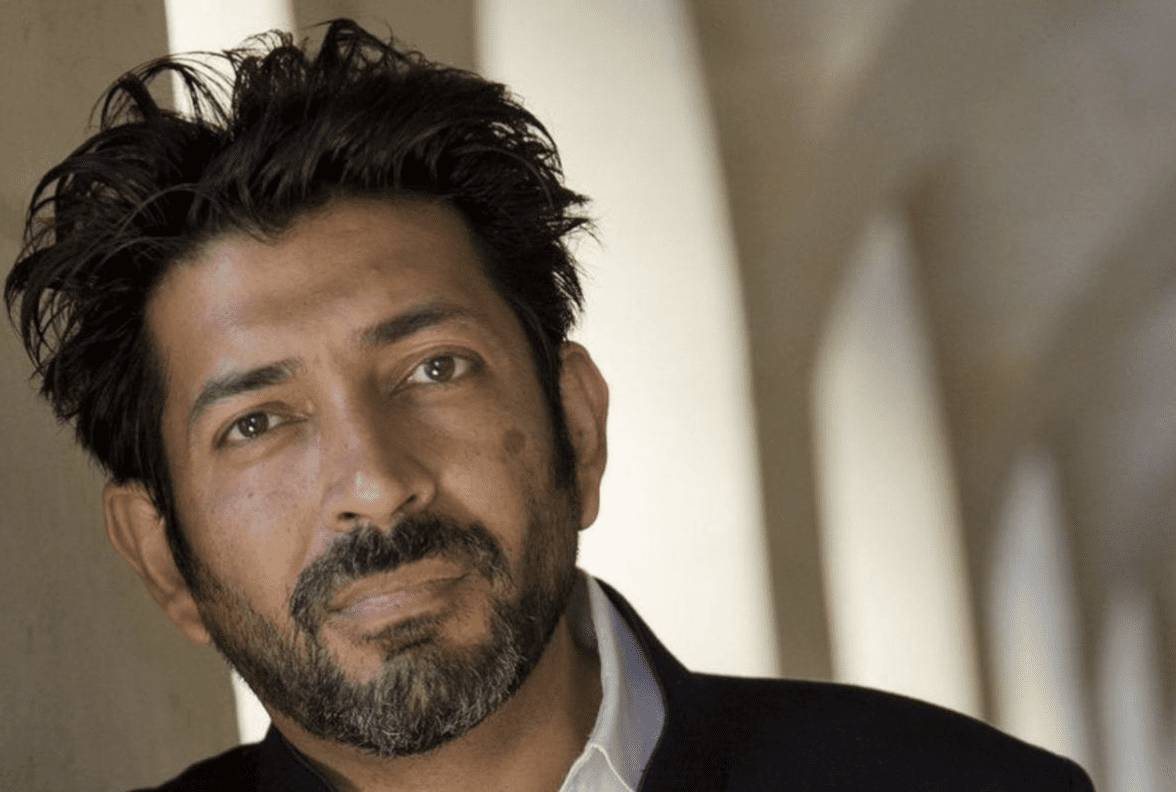

Siddhartha Mukherjee is a world-renowned oncologist, biologist, researcher, and author. His books, including “The Emperor of All Maladies: A Biography of Cancer” and “The Gene: An Intimate History,” became instant bestsellers, catapulting him into the global spotlight. Yet, behind the fame, he remains a dedicated scientist who often burns the midnight oil in his lab. From developing new cancer treatments and experimental drugs to studying cellular biology, Siddhartha’s daily work is a relentless pursuit of discovery. His primary goal is to bridge the gap between human experience and scientific rigor—a balance he strikes with remarkable grace. Let’s dive into the prolific life and legacy of this extraordinary researcher. More at i-new-york.
Siddhartha’s Formative Years
Siddhartha Mukherjee was born and raised in New Delhi, India. Growing up in a well-to-do family—his father was an executive for an automotive company and his mother was a teacher—he developed both a thirst for knowledge and the courage to pursue his dreams. Although he didn’t know his exact career path at the time, young Siddhartha immersed himself in various hobbies. A self-described romantic and introvert, he found his best company in his school subjects. This combination proved ideal for a creative mind. The young Mukherjee was a voracious reader of poetry and a music lover who even planned to become a professional vocalist. His childhood schedule was packed, with traditional Indian vocal lessons standing out as a primary passion. While many predicted a successful career in music for him, fate had a different path in mind.
The turning point came from his innate curiosity and an inspiring teacher who truly loved his craft. Mukherjee fell in love with research during biology classes, where his mentor’s fascinating lectures sparked endless questions. This passion led him to the United States in 1989 to study biology at Stanford University. As usual, he took on a heavy course load, exploring the many facets of living organisms. He wasn’t interested in dry facts; he wanted to uncover the unknown. This drive soon led him to delve into the philosophy and history of science. His journey continued at Oxford University on a Rhodes Scholarship, where he earned a DPhil in immunology. His final educational stop was Harvard Medical School, where he specialized in oncology. This choice was driven by a deep desire to help people and his own experience watching cancer devastate the lives of loved ones. Later, he would reflect that life had been signaling his true calling since his youth.
While Siddhartha spent his student years moving between prestigious universities, he truly found his professional footing in New York City. This city witnessed his beginnings, his triumphs, his critics, and his happiest personal moments. The metropolis perfectly matched his high-energy pace, and he made it his home. Columbia University welcomed him, and he began teaching at the university’s medical center, eventually becoming an Associate Professor of Medicine in the Division of Hematology and Oncology. Mukherjee also established his own lab at the Herbert Irving Comprehensive Cancer Center, where he leads a team of researchers. Naturally, the physician couldn’t give up direct patient care, so he consistently carves out time in his schedule for those fighting the disease.
Mukherjee’s Books
Working as an oncologist had a profound impact on Siddhartha Mukherjee, as he realized that lab research and clinical practice were two very different worlds. Making rounds as a medical student, he grasped the true complexity of the profession. For patients, nothing mattered more than the present moment, and they were willing to do anything to recover. In the case of cancer, this often meant poisoning the body until the malignant cells died—a paradoxical survival strategy. Mukherjee constantly reflected on the ethics of the profession and the philosophical aspects of scientific research. He frequently grilled experienced colleagues with deep questions, but the answers were often as complex as the disease itself. It was then that Siddhartha began recording his thoughts in a journal, which became the precursor to his writing career.
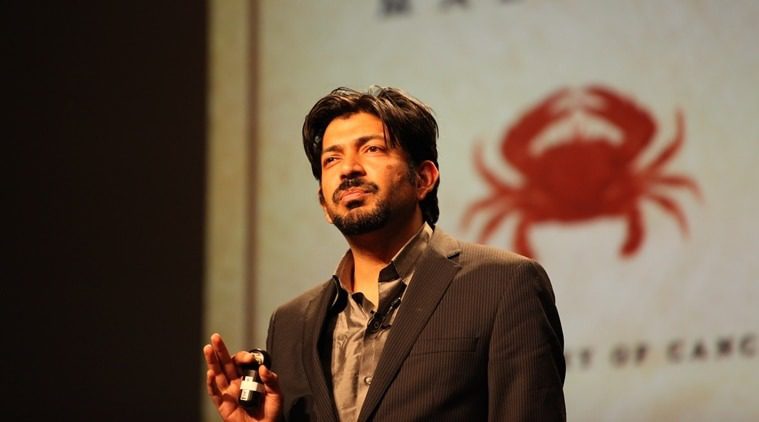
In 2010, his debut book, “The Emperor of All Maladies: A Biography of Cancer,” brought him international acclaim. He was inspired by a patient who, while battling the disease, told him she was willing to continue treatment but needed to know exactly what she was up against. Siddhartha realized she was looking for a “biography” of her enemy, not just a clinical diagnosis. He spent five years writing a book that could explain these complexities to anyone. The anticipation was massive, and upon release, the book won nearly every major award, including the Pulitzer Prize and the Guardian First Book Award. It topped best-seller lists from TIME to The New York Times. Most importantly, it provided the answers and clarity that ordinary people affected by cancer so desperately needed.
Fueled by this success, Mukherjee felt a drive to explain other scientific frontiers. He viewed his first book as a story of a corrupted genetic code, which naturally led him to explore the code itself. In 2016, he released “The Gene: An Intimate History,” serving as a prequel to his first work. Despite some early controversial reviews of its serialized excerpts, the author skillfully wove together history, personal family stories, and future predictions. The book was a massive success. By the time he was writing his second book, Mukherjee envisioned a series where each work stood alone but complemented the others. This vision continued in 2022 with “The Song of the Cell,” another addition to his list of bestsellers.
Mukherjee plans for this cycle to consist of four volumes. He has hinted that the final installment will deal with “the end” in both a literal and figurative sense, exploring the biology of death—what happens as we approach life’s conclusion and whether we can delay the inevitable. It is also worth noting that his first two books were adapted into documentaries, reaching an even wider global audience.
A Researcher’s Daily Life
A typical workday for the scientist is a whirlwind of activity. Mukherjee has maintained a rigorous schedule since childhood. If one had to define his primary role, it would be that of a biologist, from which all his other pursuits—research, medicine, and writing—branch out.
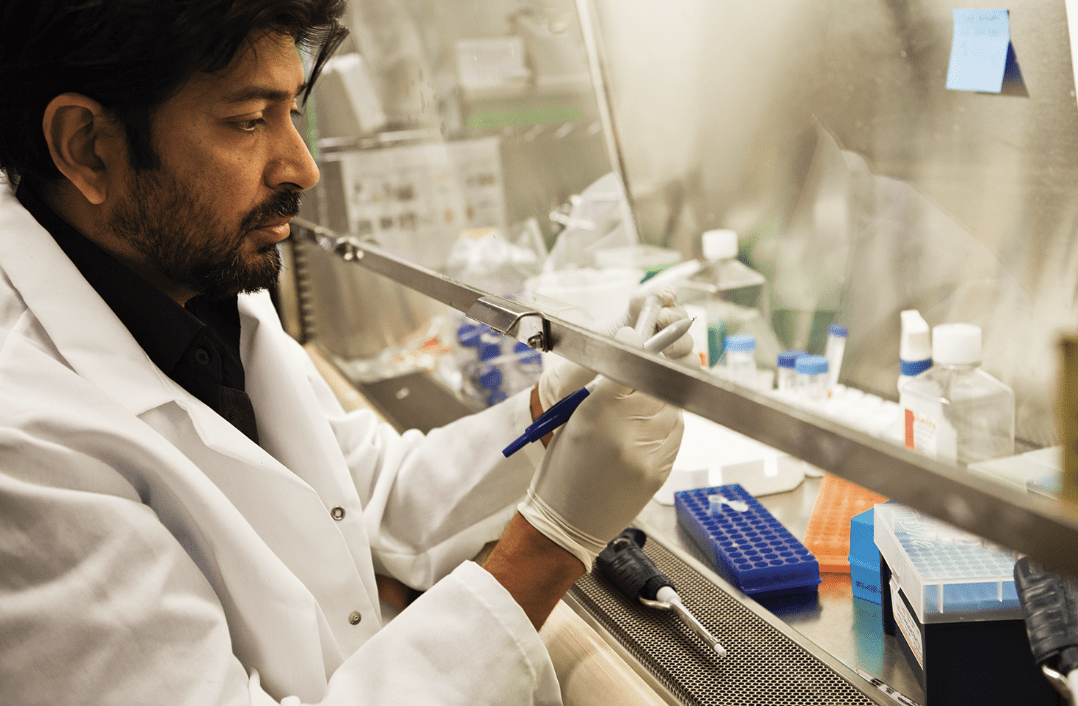
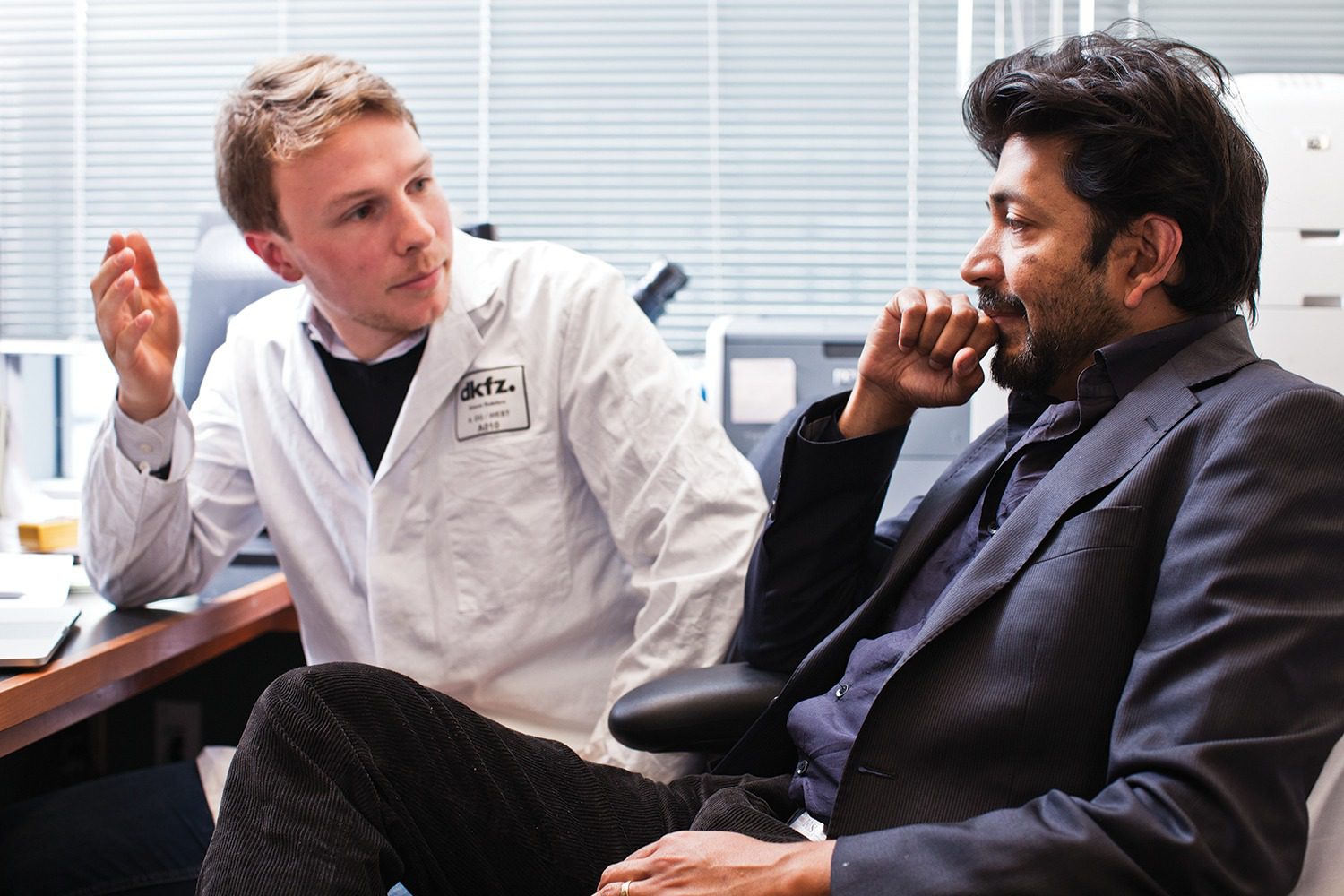
Since his student days, Mukherjee has been driven by the thrill of discovery. As a naturally creative person, he sought to bring that same creativity to science through unconventional projects and insightful writing. His mentors vividly remember his intensity in the lab. This same drive led him to open his research facility at the Herbert Irving Comprehensive Cancer Center. There, he leads a team where every scientist manages their own project, all working toward the common goal of defeating cancer. Within those lab walls, they have explored the role of cells in treatment, the impact of diet on cancer, CAR-T cell therapy, and the regenerative potential of OCR cells.
Siddhartha draws his daily energy from people, which is why he refuses to give up his medical practice. In hospital wards, he says, one best understands the value of life. While he struggled with the emotional weight of his patients’ pain as a student, he now finds inspiration in their courage. His family provides constant support and often sparks his most brilliant ideas. His success as a writer serves as a rewarding validation of his efforts, as he receives gratitude from readers almost daily. For those who wonder how one person can achieve so much, Mukherjee is living proof that it is possible. He remains fully engaged in grant projects, startups, and research initiatives in India. For him, these aren’t just boxes to check on a list of achievements; they are a lifestyle he embraces every single day.
Celebrity or Man of Science?
Despite his many accolades, Siddhartha Mukherjee’s name occasionally sparks debate within the scientific community. These controversies began when he transitioned into writing for a general audience. For instance, when parts of his second book were first published in The New Yorker, some colleagues criticized the work as imprecise or even “anti-scientific.” Mukherjee took the criticism in stride, simply advising everyone to wait for the full book. He understood early on that innovation often meets resistance, and he draws strength from the history of other scientists who faced similar skepticism. He listens to feedback but never abandons his core ideas.
Conversely, many view Mukherjee’s work as invaluable. This sentiment is shared by both lay readers and fellow scientists who believe he has performed a great service by translating complex concepts into accessible language. While some call him a genius and others a “celebrity scientist,” his contributions are undeniable. He is a familiar face at New York’s high-profile events, but the “shadow” side of his work—the grueling lab experiments, grant writing, teaching, and patient care—remains his foundation. When asked to define himself, he refuses to choose just one label. Siddhartha Mukherjee is a biologist, physician, researcher, and author. The impact of his daily dedication is mirrored in his numerous awards, honors, groundbreaking articles, and life-changing discoveries.
Would you like me to translate another article or adjust the tone of this translation for a different audience?