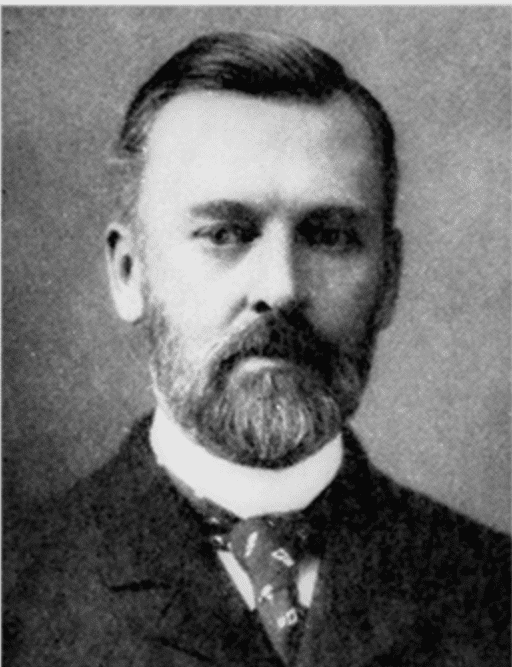

New York’s history is filled with many remarkable figures who, over the years, advanced the field of medicine. One such figure was Dr. Lewis. Thanks to him, one of the largest divisions for developing vaccines and other antitoxins was founded in New York, saving countless lives and preventing epidemics. Read more at i-new-york.com.
Dr. Lewis’s Life Journey
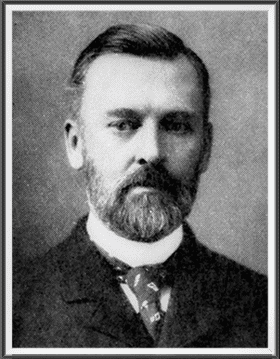
Dr. Lewis was more than just a New York physician; he was a true reformer of the city’s medical system, and he served for a long time as the state’s chief health commissioner.
The future doctor was born in Alfred in 1846. He served in the U.S. Navy and studied medicine extensively at the College of Physicians and Surgeons in New York. After earning his medical degree, Lewis began his practice as a surgeon. At the same time, he also worked as the head of the Department of Special Surgery at a New York medical school. He had a deep knowledge of medicine, not only applying it in practice but also teaching other doctors.
Soon, news of Dr. Lewis’s successful work reached the Governor of New York. He offered Lewis the position of President of the State Board of Health. Without hesitation, Dr. Lewis accepted the new, high-ranking post. In the Board, he handled incoming reports of public order violations and resolved a number of crucial health-related issues in the city.
When the New York Board of Health was reorganized into the State Department of Health, Lewis became the first person to hold the position of New York Health Commissioner.
Dr. Lewis’s Contributions to New York’s Healthcare
While serving in the high position of New York State Health Commissioner, Dr. Lewis made every effort to develop and improve the city’s medical system and public health. Specifically, under his careful guidance, an entire Laboratory Division was developed and opened. The new department of public health in New York included:
- The Bureau of Pathology;
- The Bureau of Bacteriology;
- The Bureau of Chemistry;
- The Antitoxin Laboratory.
The Antitoxin Laboratory, in particular, led to the founding of the renowned “Wadsworth Center” in the 21st century—the New York State Department of Health’s public health research laboratory.
Under Dr. Lewis, the Antitoxin Laboratory focused on standardizing and producing medicines for diphtheria, anthrax, and other infectious diseases. The Laboratory eventually grew into a full-fledged research division.
In the second half of the 20th century, the Wadsworth Center developed a strategy for producing DNA vaccines using genetic engineering to improve the conventional smallpox vaccine into vaccines that could prevent other diseases.
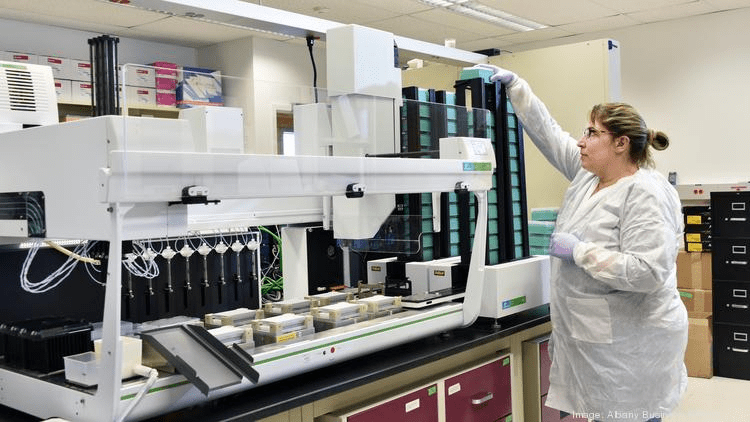
In the 21st century, the Wadsworth Center is one of the leading national research centers not only in New York but throughout the entire United States. Here, they study crucial public health issues: public health challenges, drug resistance to infections, environmental impacts, and the basic biological processes that affect human health and various diseases.
In addition to all this, it was Dr. Lewis, while serving as New York State Health Commissioner, who organized the very first statewide conference for healthcare workers. Thanks to this initiative, a strong, long-lasting partnership was forged between New York state authorities and local public health representatives. This partnership still exists in the 21st century.
Dr. Lewis, a truly outstanding figure, reformer, and organizer in the field of healthcare, passed away in 1919. But he left a significant mark on the medical field that endures to this day.