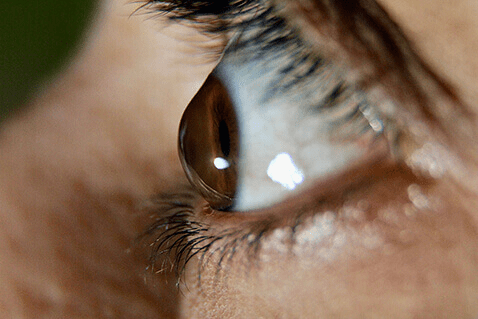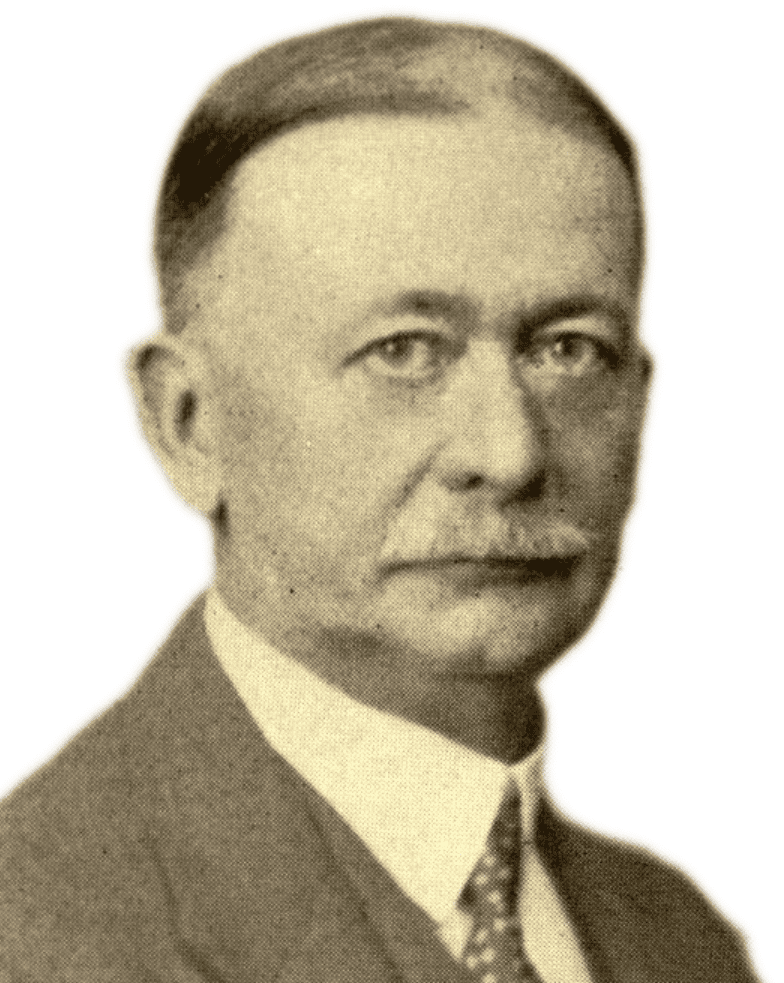

Edwin Munson was a very well-known New York doctor, specializing in ophthalmology. His name is famous around the world because of “Munson’s Sign,” a V-shaped indentation on the lower eyelid. This symptom usually appears when a patient looks downward. “Munson’s Sign” is characteristic of advanced cases of corneal thinning, caused by the cone-shaped cornea pressing against the lower eyelid. Read more at i-new-york.com.
The History of Dr. Munson
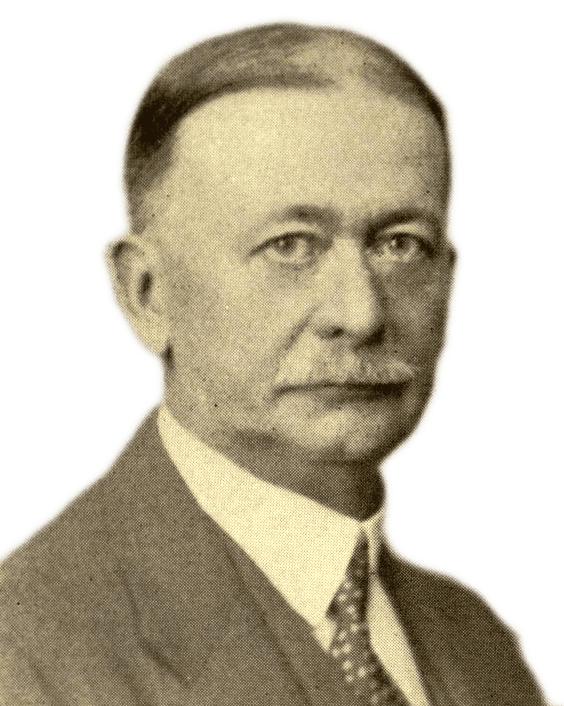
The future doctor was born in Illinois in 1870. He received his secondary education in New York, after which he enrolled in the local Homeopathic Medical College.
After graduating, Edwin Munson decided to stay at the college and teach. Munson also held the position of dean at the New York Ophthalmic Hospital. At the same time, he worked as an ophthalmologist at the Laura Franklin Free Hospital for Children. He also graduated from Princeton University.
He gained invaluable experience during an internship at the “Five Points” industrial home. After his internship, he worked as an assistant to the well-known ophthalmologist Professor Norton. Eventually, he earned the prestigious title of professor of ophthalmology himself.
Dr. Munson During World War I
When the war began, Edwin Munson enlisted in the U.S. Army without hesitation and went to Europe to fight the enemy. Although Munson had extensive knowledge in medicine that could have been useful in the war, he served as a regular enlisted officer, not an officer in the U.S. Medical Corps.
While serving in the army, Edwin Munson was responsible for all precautionary measures and protection against poisonous gases. He served in the 27th Division of the 107th Regiment in France. He had a long military career and accomplished a lot during the war. Edwin Munson was also recognized for his bravery for his courageous and clear management of a first-aid station that was under fire during World War I.
Dr. Munson’s Contributions to Medicine
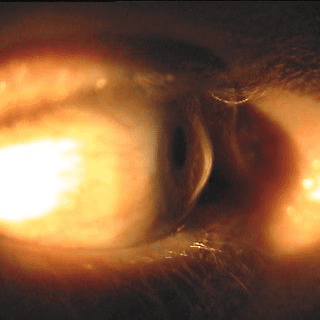
Edwin Munson practiced ophthalmic surgery in New York hospitals for a long time. He made a huge contribution to the development of medicine in this field, making important, innovative discoveries in surgical methods for ophthalmology. Dr. Munson published all his research and scientific developments in medical literature. He was one of the first ophthalmologists to clearly describe the key diagnostic signs of keratoconus. For some reason, Munson did not publish one of his most important works on keratoconus research in medical literature. A few years later, Dr. Munson’s friend, Alfred Appelbaum, did it for him. After the publication of Dr. Munson’s article on keratoconus, his name gained an international reputation.
Edwin Munson fully retired from his medical practice in New York in 1952 at the age of 82. Six years later, the heart of the distinguished New York doctor and researcher stopped beating.
Dr. Munson’s name lives on into the 21st century. “Munson’s Sign,” a progressive keratoconus, was named in his honor. This is the very symptom he described in one of his most outstanding medical studies. In the early stages, people with “Munson’s Sign” have slight blurring, distorted vision, and increased sensitivity to light. Additionally, in the early stages of keratoconus, all the symptoms are similar to other refractive eye symptoms. Doctors usually prescribe corrective lenses to treat “Munson’s Sign.” Keratoconus can also be treated surgically with procedures like epikeratophakia and corneal ring implants.