
In the 21st century, New York is a major political, financial, and cultural center not only in the United States but also globally. But what was it like in the 19th century? Read more at i-new-york.
NY in the 19th century can be characterized by the rapid development of sports, especially polo and baseball. In addition to these sports, new infrastructure facilities appeared in the city. One of them was the Polo Grounds stadium.
History of the Polo Grounds stadium
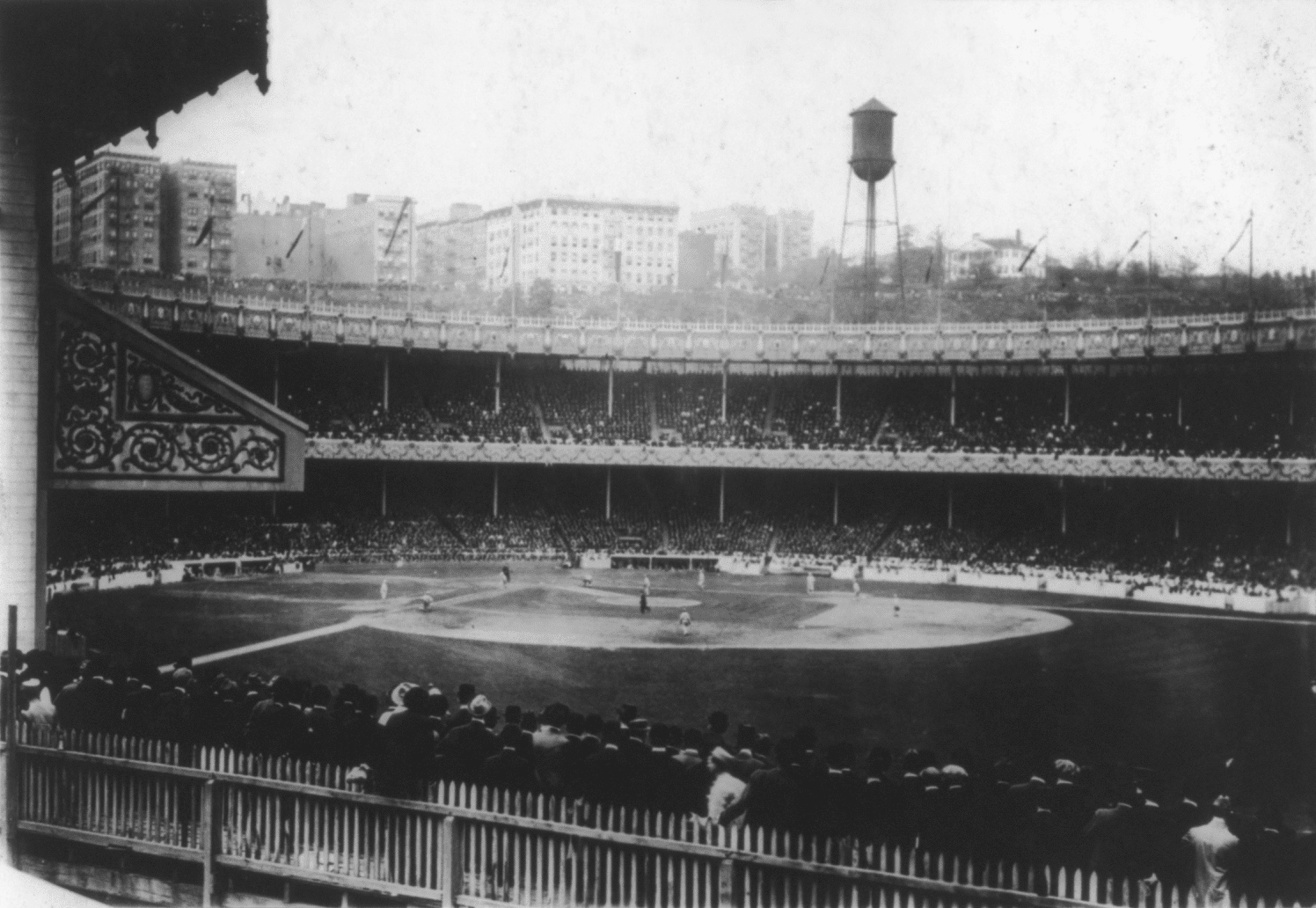
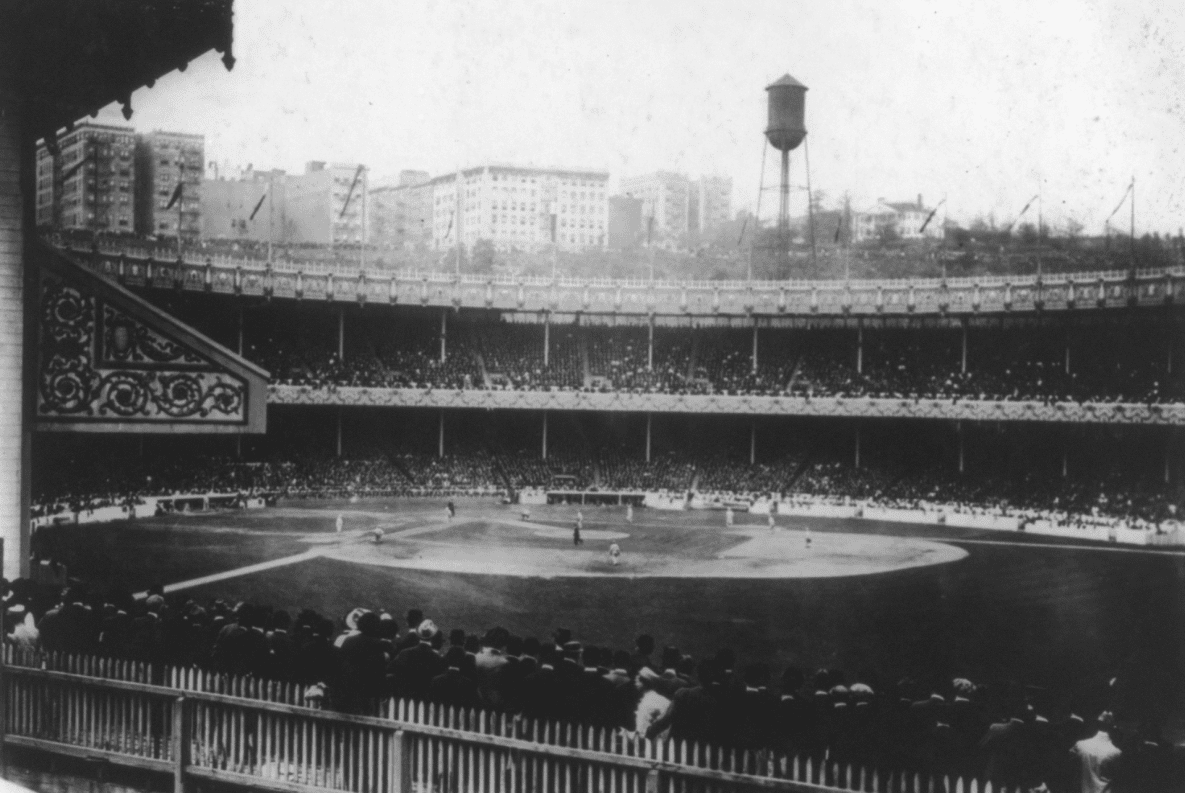
The Polo Grounds is a huge park that includes three stadiums situated in Upper Manhattan. These stadiums often hosted professional baseball and American football games.
The Polo Grounds stadium was opened in 1876. The three stadiums were built specifically for polo games. It wasn’t until 1880 that the field was converted for baseball games after being leased by the New York Metropolitans (Mets).
Polo Grounds I
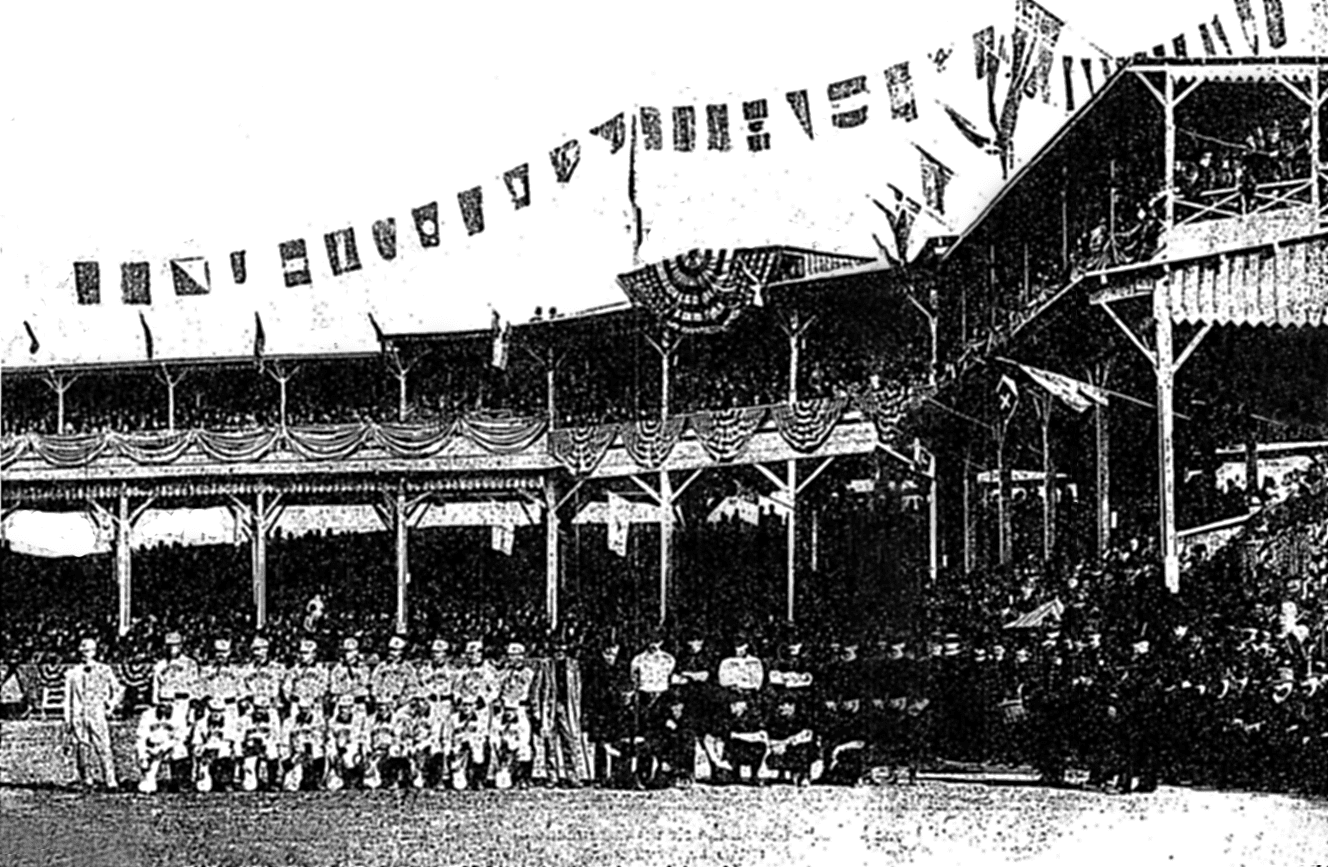
The first stadium was located at 110th Street between Fifth and Sixth Avenues. Initially, in the 19th century, it was a field for polo. However, as the new sport of baseball gained popularity in New York and across America, the stadium came into possession of the Mets baseball team.
When the Polo Grounds I reached great popularity, it became a venue not only for polo and baseball but also for football. In addition, besides New York teams, it became the home for athletes from other cities.
In 1889, during the expansion and redevelopment of New York City in the Manhattan area, Polo Grounds I was demolished. This event sparked a lot of criticism from the public. New York sports teams were forced to find a new field and building for their games.
Polo Grounds II
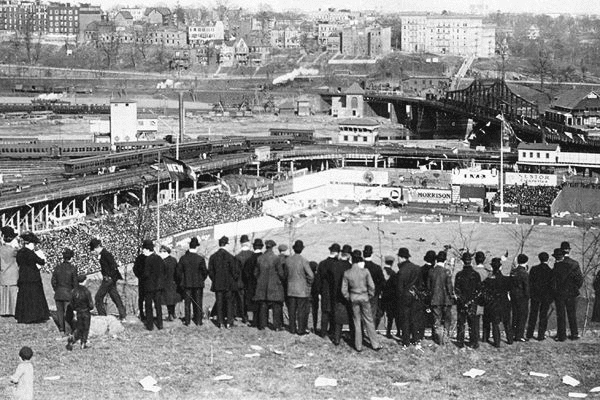
The second stadium was located in a floodland known as Coogan’s Bluff. It served as the home base for the New York Giants team. Subsequently, the field was subleased to the Manhattan Athletic Club and was referred to as Manhattan Field. The stadium was renovated and from then on, it was used for playing polo and baseball, as well as for football and track and field.
The Columbia University team was the principal tenant of the stadium at the end of the 19th. Throughout the late 19th and 20th centuries, the field underwent numerous reconstructions and upgrades until it was ultimately pulled down in the second half of the 20th century.
Polo Grounds III
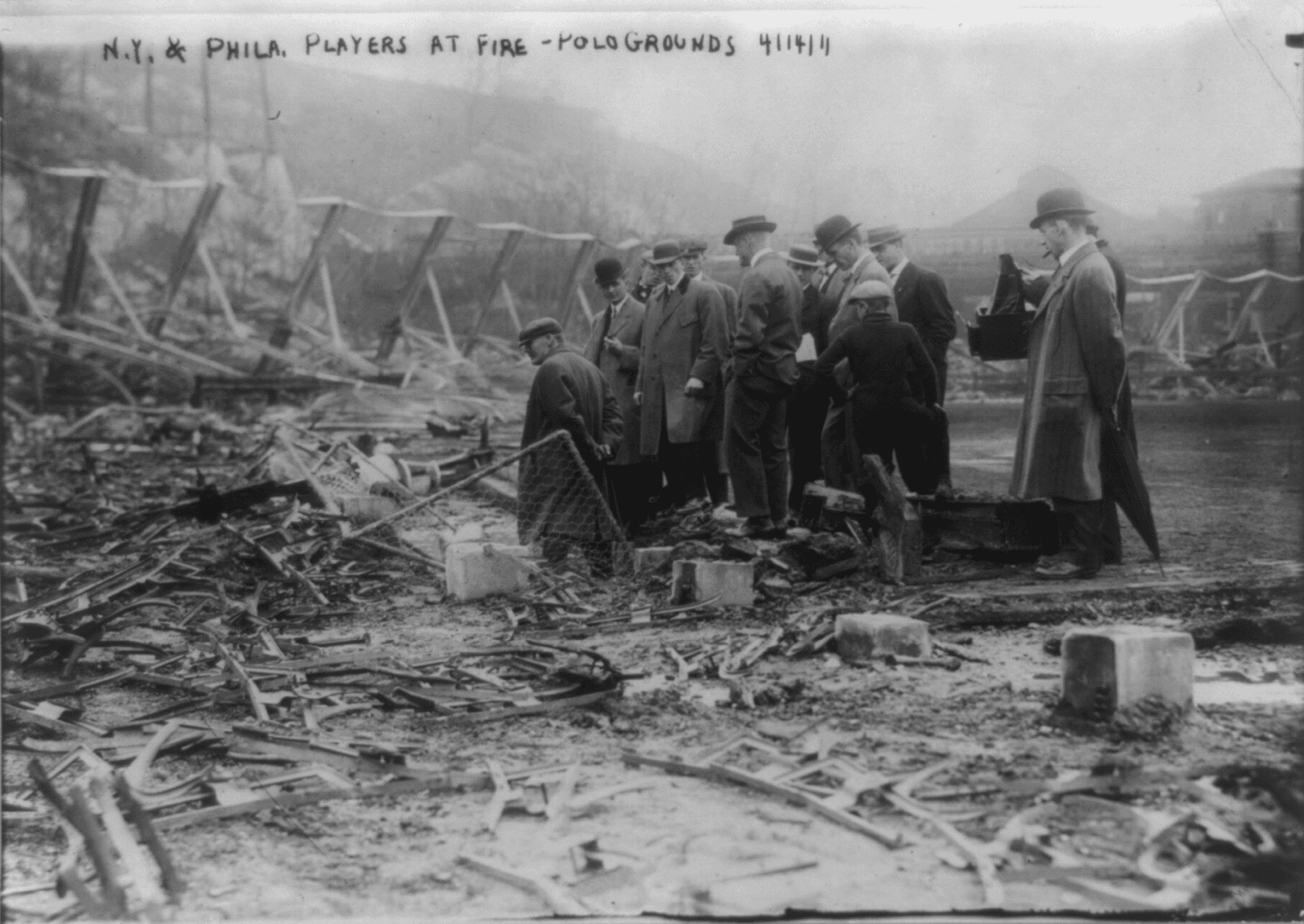
Polo Grounds III was a stadium that became famous nationwide. It was built in 1890 and was the playing field for the New York Giants’ second team in the Players’ League. This stadium was also known as Brotherhood Park.
Polo Grounds IV
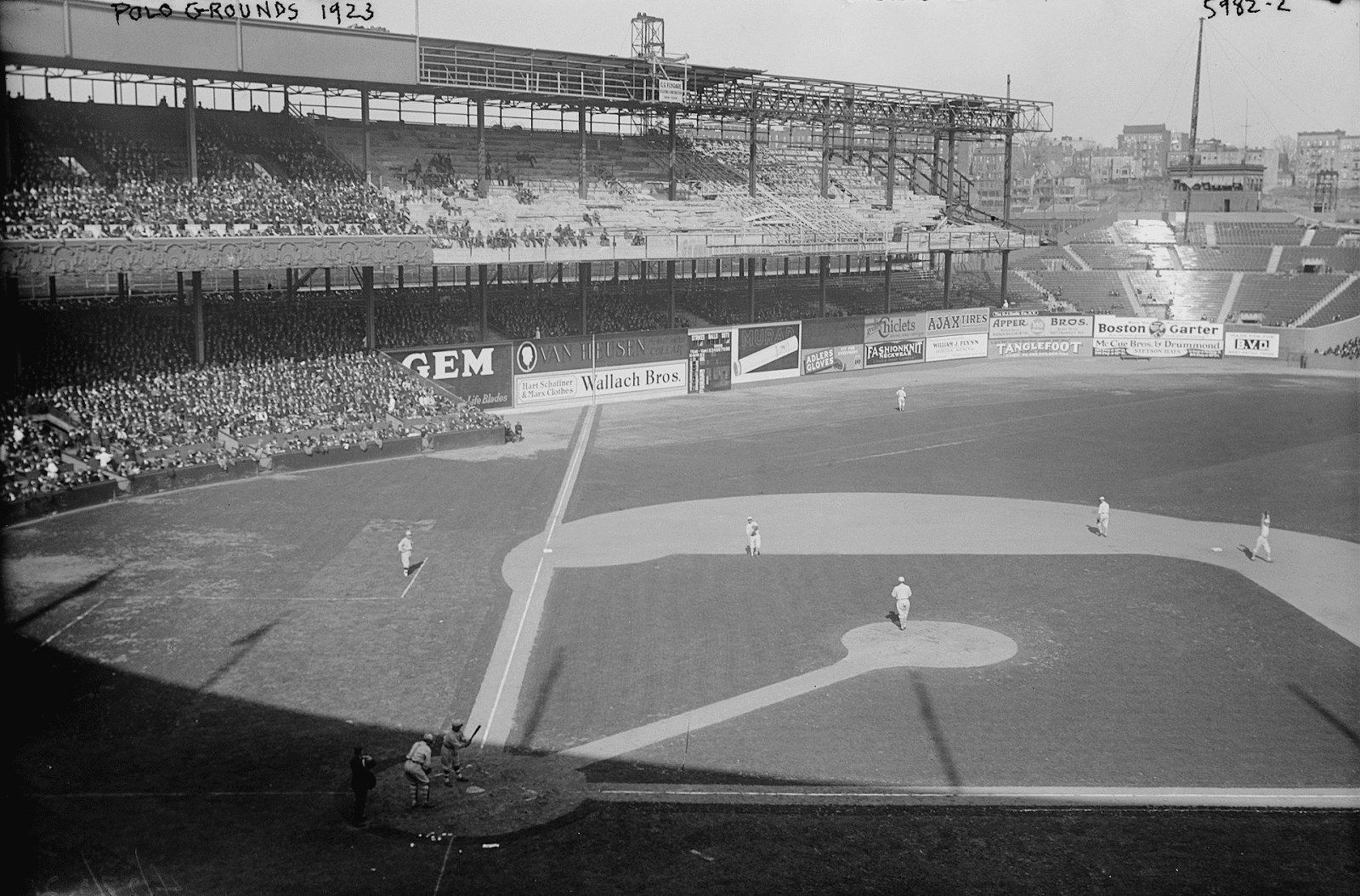
In 1911, a fire broke out at Polo Grounds III. Since the stadium, specifically the stands, were built of wood, it was completely burned down. All that’s left of the stadium was a metal frame.
Just a couple of months later, Polo Grounds IV was built from the remains of Polo Grounds III. The unofficial name of the stadium was Brush. Throughout the 20th century, this stadium was repeatedly expanded and modernized. Many important sports games and matches took place here. This field welcomed a large number of visitors.
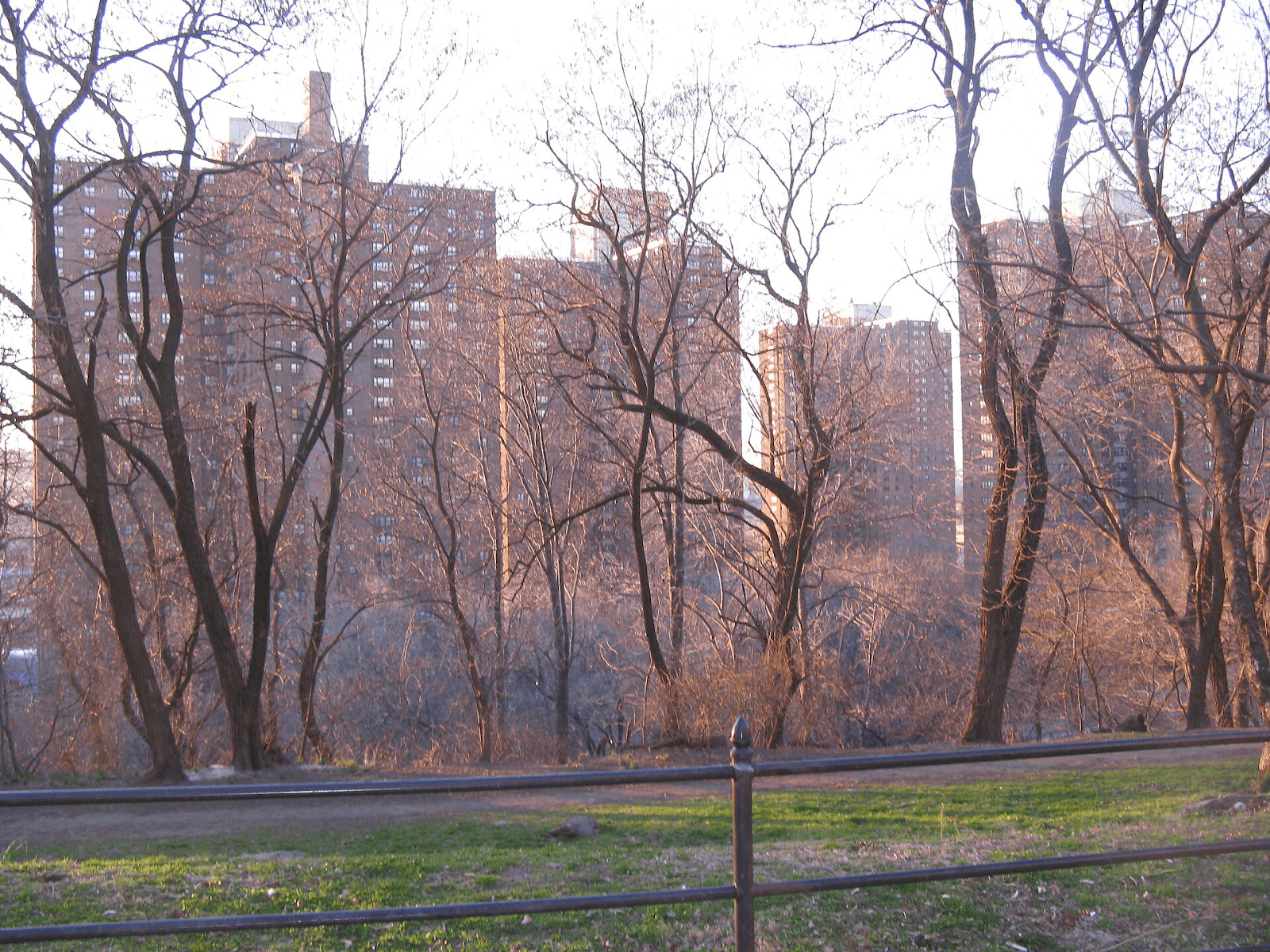
The last Polo Grounds stadium was demolished in 1964. In the 21st century, the Polo Grounds Towers stand on its site. This is a residential building that was opened in 1968.
Interesting facts about the Polo Grounds stadium
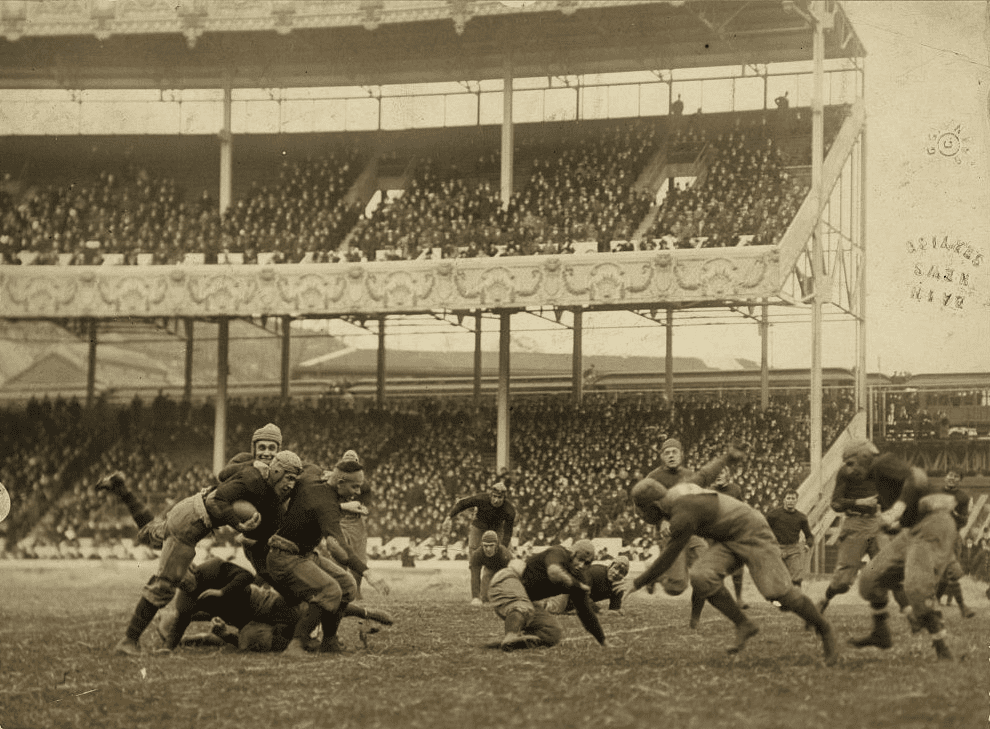
The history of the stadium has seen many notable and triumphant events, as well as very tragic ones. In particular, in 1920, Ray Chapman from the Cleveland Indians died from a blow on the head during a game.
Another tragic event occurred in 1950 when the Irishman Bernard Doyle was wounded by a stray bullet while sitting in the stands of the stadium. He was killed before the game started. Doyle had brought his teenage son to the match, who later confessed to investigators that he had fired a gun into the air.
It is interesting to note that later not only polo and basketball were played at the Polo Grounds. In particular, the stadium hosted hundreds of football matches, college football games, international football matches, Gaelic football championships and famous boxing matches. The legendary 1923 world heavyweight championship fight between Jack Dempsey and Luis Ángel Firpo can be mentioned among the remarkable boxing matches in New York during that period held at the Polo Grounds.
Furthermore, the stadium had three different tracks due to which it also became the center of motorsport in the 20th century. The first was a dirt track used for midget car racing in the 1940-1941 period. The second was a short track used only in 1948. An asphalt road was the third track used for stock car racing in the 1958s and 1959s.
In 1916, the Polo Grounds stadium also became a cultural center in New York. In particular, Verdi’s “Requiem” was performed here by a choir of over 1,000 singers selected from the best choral societies in New York. New York Philharmonic Orchestra, accompanied by 120 musicians also took part in the performance. Soloists Maria Gay, Louise Homer, Giovanni Zenatello and Leon Rothier were led by band director Louis Koemmenich.
But the most curious fact is that the Polo Grounds stadium was one of the oldest in New York and the United States until its demolition in 1964.
For many years, the Polo Grounds was a big part of New York’s sports and cultural life. Undoubtedly, it was instrumental in the further development of polo, baseball, football, boxing and other types of sports in New York and throughout America.