
Yellow fever is one of the largest epidemics that have ever been on the planet. It claimed many lives. The disease is massively spread through the bites of infected mosquitoes. Very often, even experienced doctors cannot diagnose an infection on the first try because the symptoms of the disease are similar to other diseases. Yellow fever, also known as the American plague, is a short-lived viral disease. The characteristic symptoms of the disease are fever, lack of appetite, muscle pain, headache and nausea. Other symptoms that may be associated with complications of the patient’s condition are abdominal pain, liver damage and, accordingly, yellowing of the skin. Outbreaks of this disease began in the 17th century in various parts of the world. America could not avoid the epidemic. The first registered outbreak of fever occurred in New York City in 1668. In the 21st century, there is an effective vaccine for the disease. However, how did New Yorkers in the old days deal with outbreaks without this vaccine? Read more at i-new-york.com.
Epidemics in the history of New York
New York has seen many epidemic outbreaks in its history. There were cholera outbreaks in the middle of the 19th century, and in the early 20th century, there were diphtheria outbreaks. As New York was consumed by the epidemic, the city’s medicine developed at a rapid pace. This led to an effective struggle with recurring epidemic outbreaks. For example, the city implemented a strict regime for opening and closing businesses during the raging Spanish flu epidemic there. To combat polio effectively, the city banned mass meetings, rallies, large gatherings of people, etc. All this resulted in a significant decrease in the number of patients. That’s just outbreaks of yellow fever in the history of New York were in the early period. At that time, neither medicine nor science was so advanced. Therefore, in the middle of the 18th century, New York City was completely covered by this disease. Mosquitoes were carriers of the disease but then no one even suspected it.
Where did the fever in New York come from?
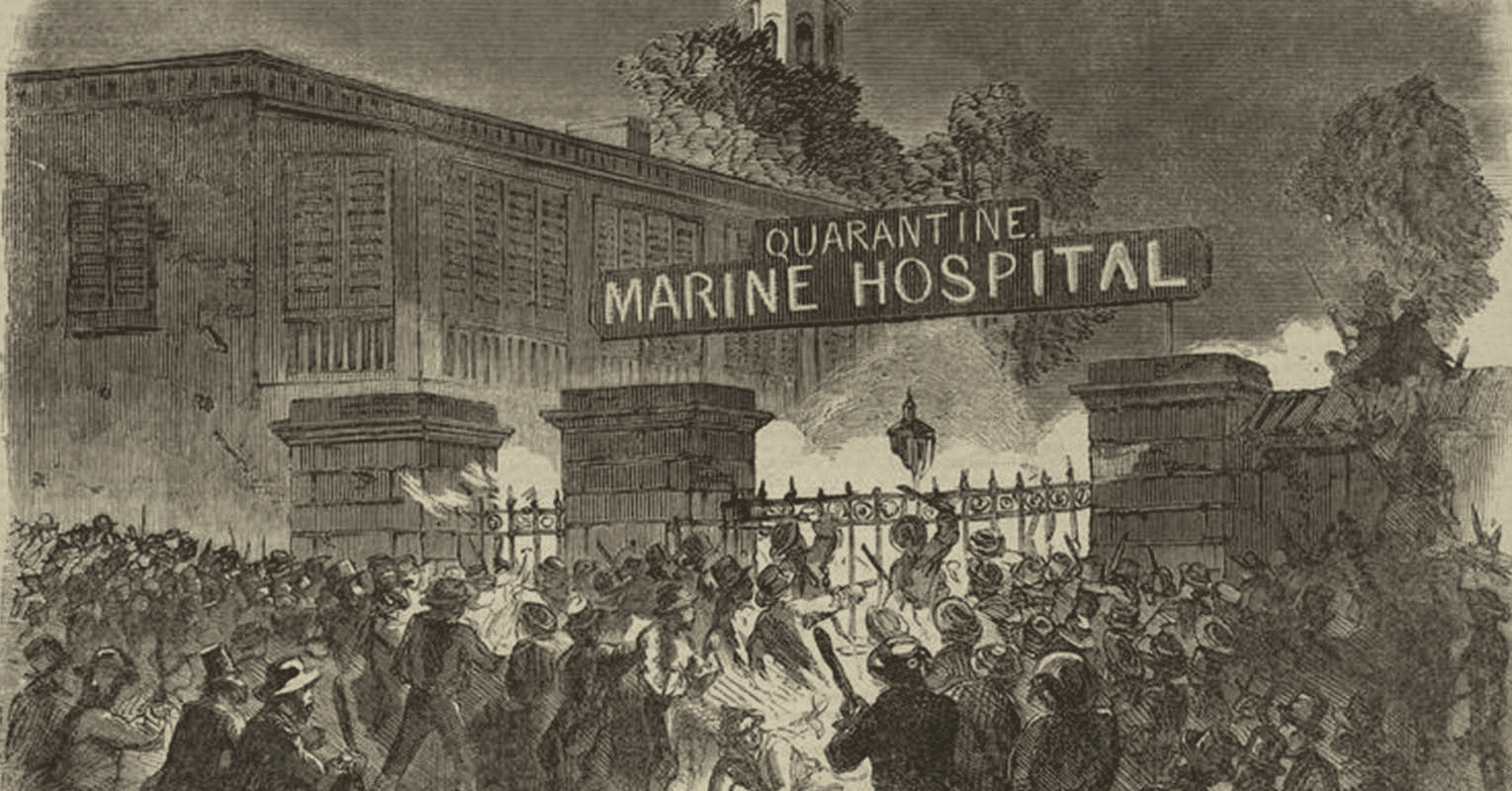
Yellow fever is transmitted by infected mosquitoes living in tropical and subtropical climates. In New York, the epidemic was caused by migrants who first fled the Caribbean to Philadelphia and then to other American cities. But while in Philadelphia, people continued to get sick and die of fever. Soon, New York was under quarantine for people arriving from Philadelphia due to the epidemic outbreak. For this purpose, special premises were allocated in New York. Thanks to the quarantine zone, New Yorkers were able to avoid large-scale outbreaks of the epidemic for several years. Nevertheless, because New Yorkers did not know exactly how the fever spread, a major outbreak of the epidemic was inevitable anyway.
Yellow fever outbreaks in New York
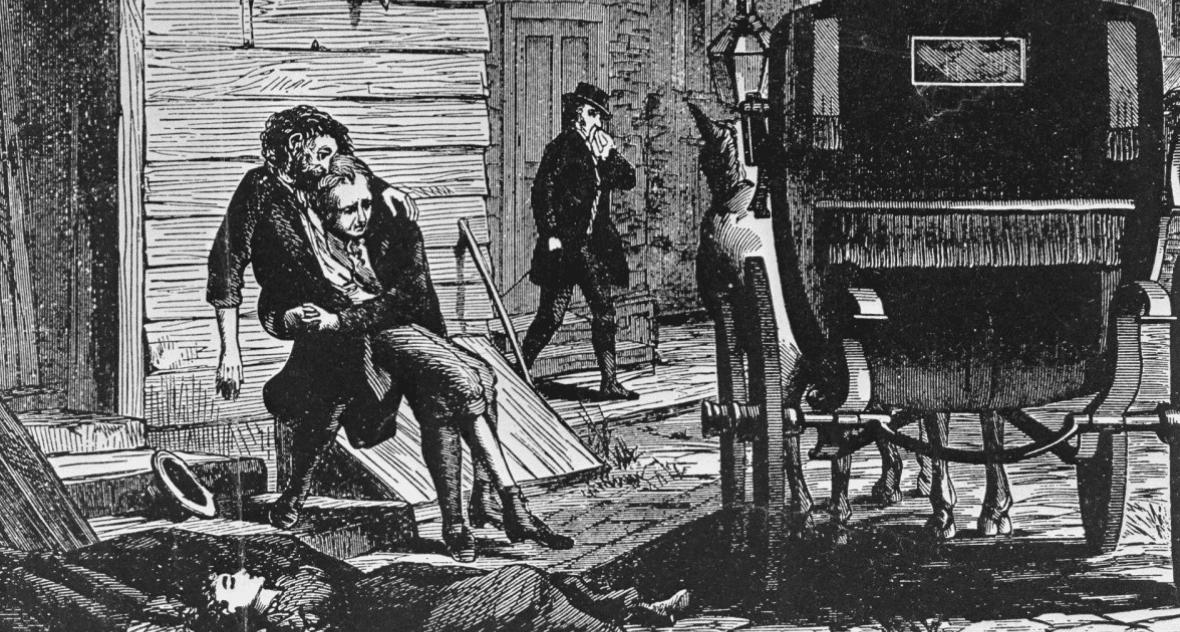
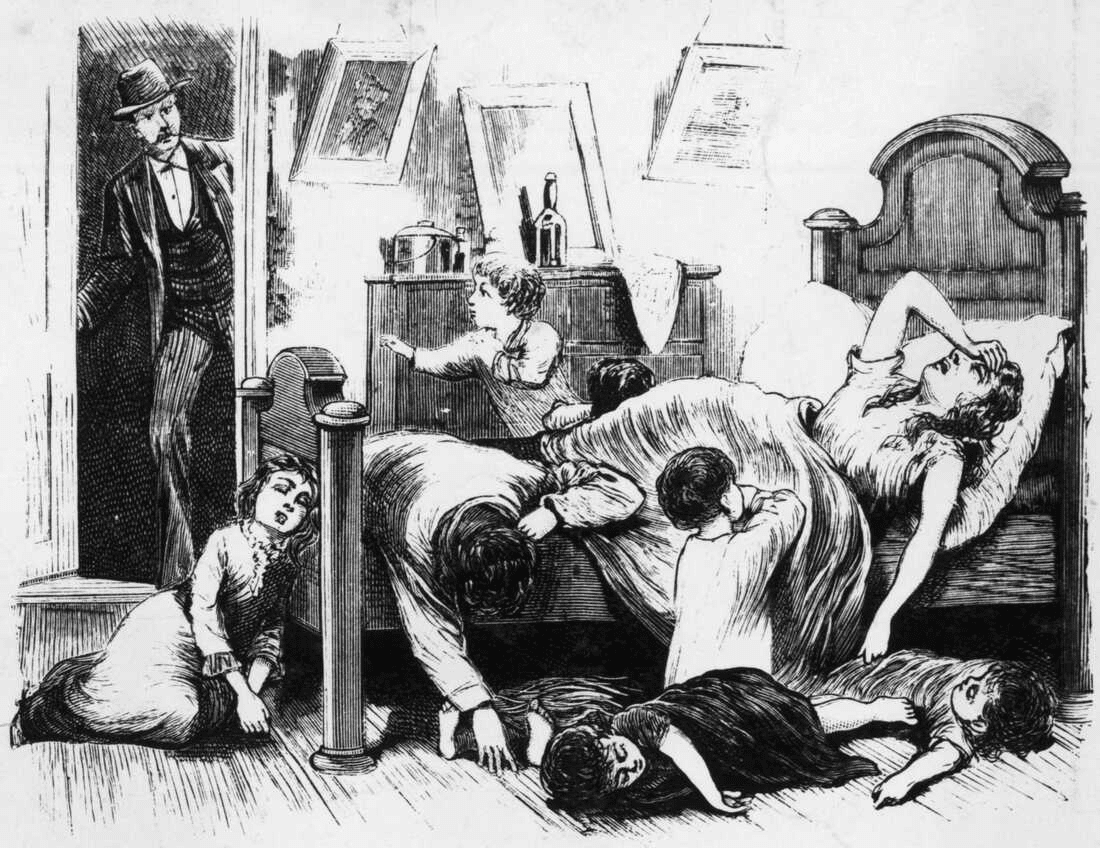
The first large-scale outbreaks of fever occurred in New York City in the summer of 1795. More than seven hundred inhabitants of the city died then. People were dying in terrible pain.
In the summer of 1796, the epidemic returned to New York. The largest outbreak of the epidemic was in 1798. At that time, just over 30,000 people lived in New York City and more than 2,000 of them died of the disease.
Newspapers began to write about the terrible epidemic in mass numbers. People were very scared and started to leave the city. Outbreaks of the epidemic happen again every year. The last major outbreak in New York City occurred in the early 19th century. More than 200 people died then.
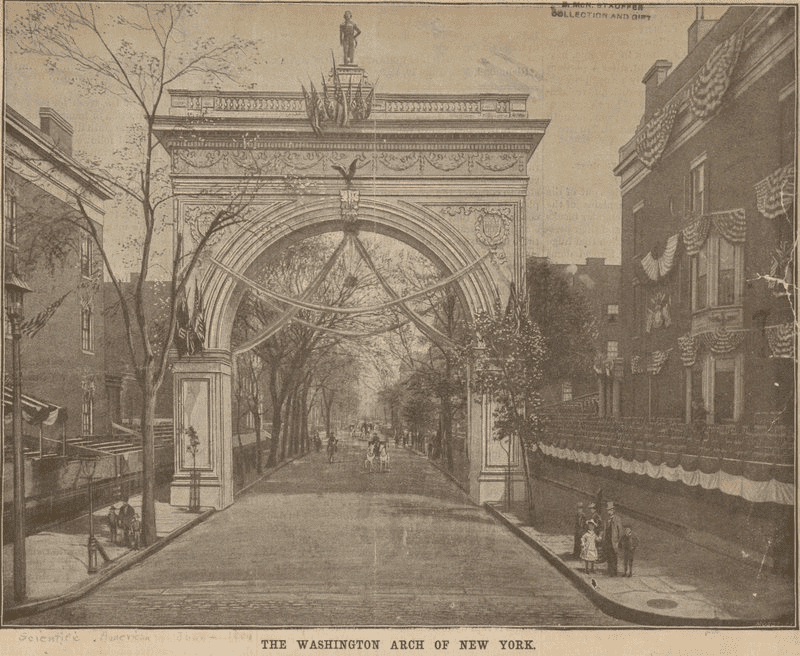
People who died of fever in the 18th and 19th centuries in New York were mainly buried in mass graves. One of the biggest mass graves is located in the modern Washington Square Park in New York City.