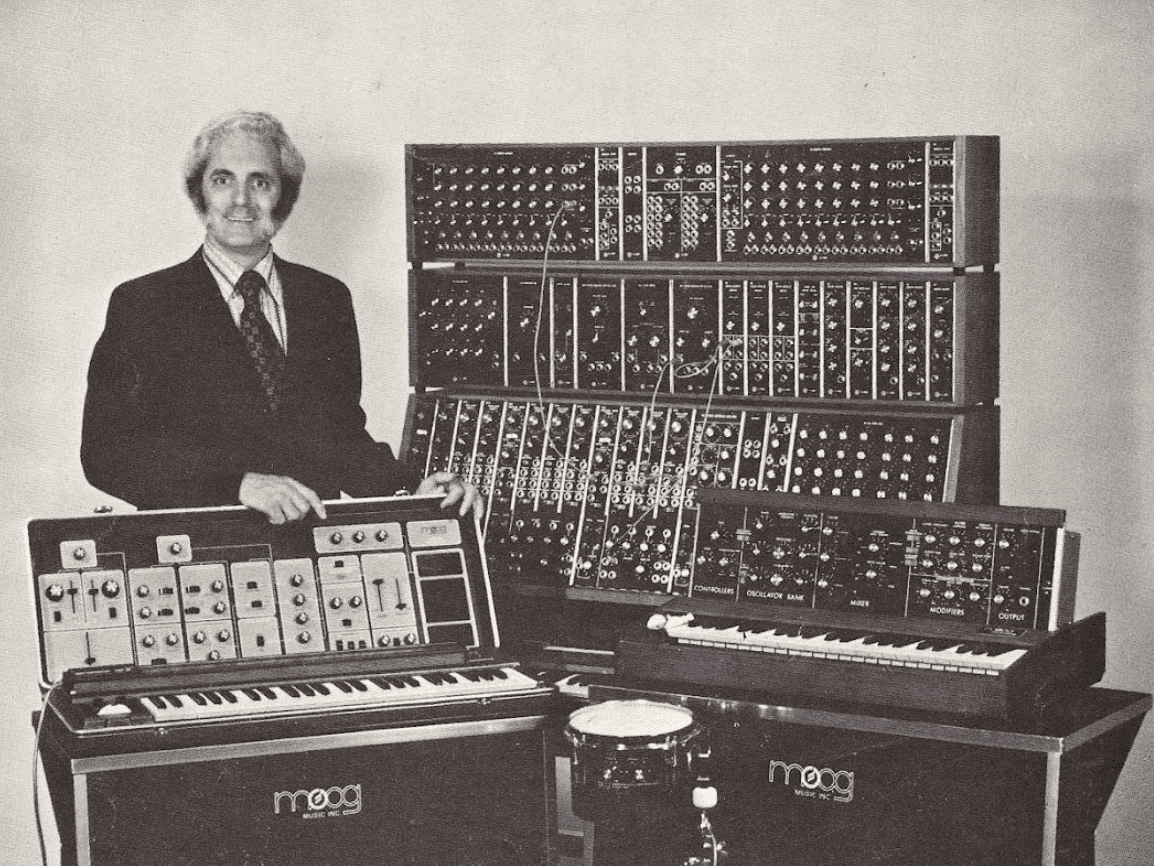

The history of music is rich. It is full of inventions that have revolutionized the production and perception of sound over time. Among many other developments in music history, one of the most famous and significant innovations was the creation of the first synthesizer. The man behind this legendary creation was Robert Moog, an engineer and inventor from New York. Find out more at i-new-york.
The story of Robert Moog
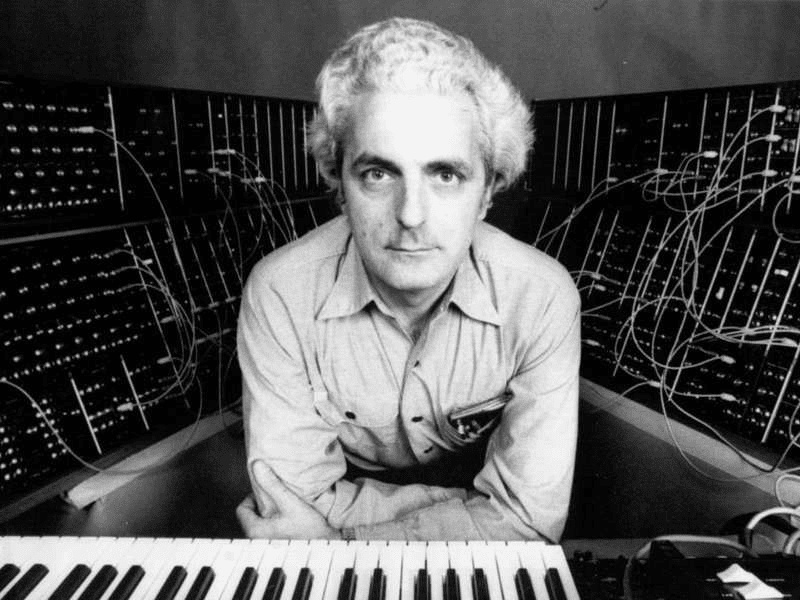
The future engineer, whose full name is Robert Arthur Moog, was born in 1934 in Queens, New York. He grew up in a family where engineering and music were valued equally highly. Robert’s father, a mechanical engineer, fostered in him a love of all things technical, while his mother, a pianist, instilled in him a strong love of music. From a young age, he studied piano, simultaneously, no less he loved spending time with his father in his workshop. He was fascinated by the technology and its almost infinite possibilities. This unique combination of different activities ultimately defined his life’s work.
As a teenager, he built a theremin (an electronic musical instrument played without touching its surface) using only plans from the American technical magazine Electronics World. This early achievement served as the catalyst for further advancement in this field.
Further development in technology and music
After graduating from high school, Moog studied physics at Queens College in New York City. He also attended Cornell University, where he mainly focused on the study of the theremin and other electronic instruments. During his student years, he gained a thorough understanding of the principles of electronic music and sound synthesis.
In the 1950s, while a student, Moog presented the world with the so-called Moog filter, a fundamental innovation in audio processing. It served as the foundation for his subsequent work on developing the world’s first synthesizer and played a crucial role in shaping the sound of this device.
The 1950s were incredibly successful for Moog. During this time, he also designed a new theremin and published an article about it in Radio and Television News magazine. In 1953, he established the R.A. Moog Co. with the purpose of selling theremins and theremin kits.
How was the first synthesizer created?
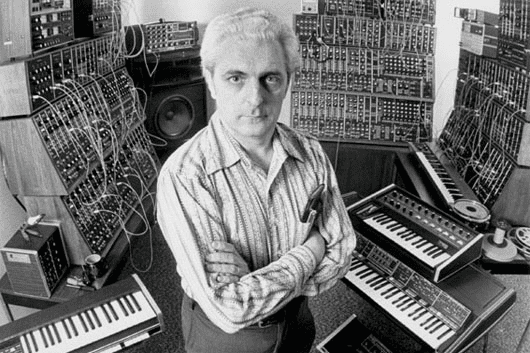
The 1960s were equally successful for Moog. He took a huge step ahead in his career during this time. In particular, he started working on a voltage-controlled oscillator. This significant discovery enabled musicians to produce a wide range of electronic sounds, paving the path for the development of the first synthesizer.
It is important to note that synthesizers existed before the 1960s, but they were bulky, inconvenient and immobile. As an innovative engineer in the field of electronics, Moog tried to solve this issue. He intended to design a compact synthesizer that would appeal to musicians. Moog believed that practicality and accessibility for musicians should come first.
Eventually, an innovative vision for a new musical instrument led to the release of a modular synthesizer called the Moog. Moog demonstrated his invention at the 1964 Audio Engineering Society convention in New York. The event marked a watershed moment in the music industry since this instrument opened up fresh opportunities for sound creation. Thanks to its amazing capabilities and accessibility, the Moog modular synthesizer soon gained popularity among composers, musicians and other artists.
The Moog synthesizer was distinguished from its predecessors by its distinctive and expressive sound. Its users were thrilled to discover that they were able to produce rich warm tones which could replicate traditional musical instruments or perform unique sound tunes. This enabled the creation of futuristic, otherworldly sounds, broadening the possibilities of musical styles.
The device invented by Robert Moog immediately gained popularity and recognition in the music industry. Among the first interested buyers of the Moog synthesizer were Richard Teitelbaum, Vladimir Ussachevsky, Wendy Carlos, Alwin Nikolais and John Cage.
One of Robert Moog’s most notable contributions was his goal to make electronic music more accessible to a wider audience. The synthesizer’s compact and user-friendly design has made electronic music more accessible to musicians of all backgrounds.
The distinctive sounds of the synthesizer have found a place in popular culture, influencing a wide range of art forms from creepy and futuristic sound effects in science fiction films to experimental compositions by various musicians. The Moog synthesizer, without a doubt, revolutionized the world of music.
Furthermore, the synthesizer had a tremendous impact on the music of the 1970s. It influenced the progressive rock, disco and electronic music of the time.
The greatest electronics engineer of the 20th century died in 2005, at the age of 71. However, he left a significant legacy in the form of a synthesizer, which influenced the world of music in the 20th century, providing millions of musicians with new opportunities, comfort and accessibility.