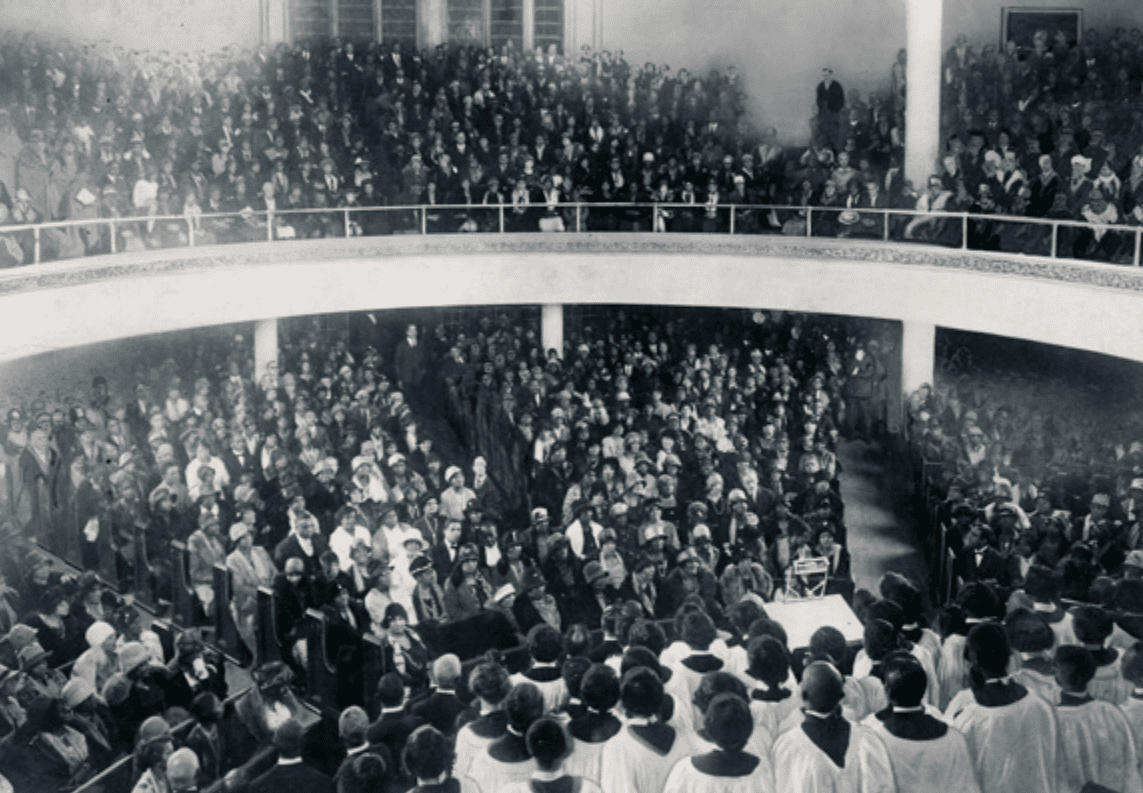

The Abyssinian Baptist Church has an immense and rich history. It was the first church in New York to serve exclusively African-Americans. Over the years, this church has become a true support for the African-American community of the city. It helped to greatly expand the rights of black people in America. Learn more at i-new-york.com.
Foundation of a church for African-Americans in New York
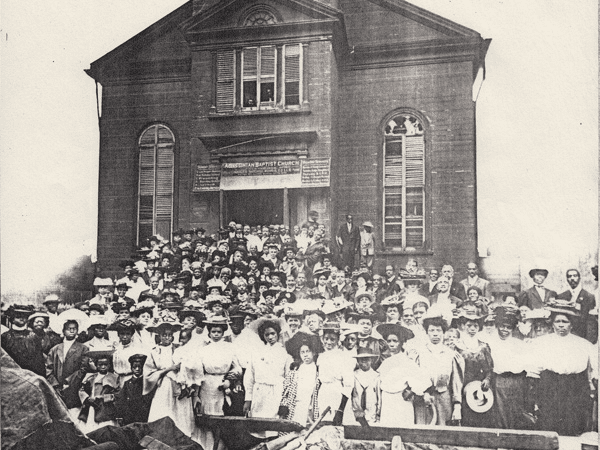
The stimulus for the founding of the Abyssinian Baptist Church was that in the early 19th century, racial segregation was introduced in the city’s First Baptist Church. Therefore, all African-Americans who attended it had to leave forever. Also, most of the people who served in the church were Ethiopian immigrants. That was the main reason for the creation of a separate church for African-Americans.
A local African-American priest helped to establish a new church. The church was founded in one of the old buildings of New York in 1808. Since the majority of the parishioners were Ethiopian immigrants, the new Baptist church was called Abyssinian, after the ancient name of Ethiopia.
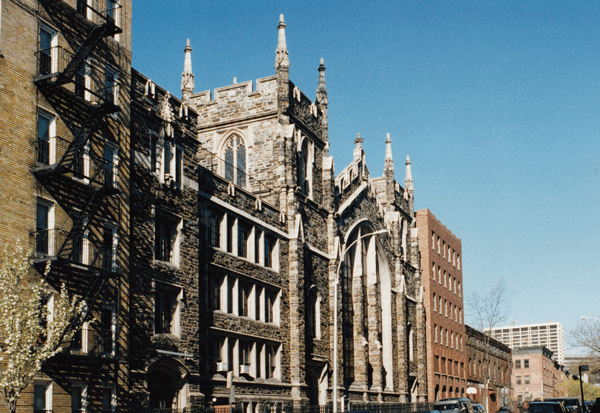
The number of parishioners in the church increased every year. That is why the church repeatedly had to change the building to a larger one. This continued until 1923. Then the first permanent building for the Abyssinian Church was constructed in Harlem. The building was made of limestone, had beautiful European stained-glass windows and the premises were completely lined with Italian marble. The church had the most beautiful architecture in the Neo-Gothic style.
By 1930, the church had become the largest African-American church in New York. In addition, it was the most extensive Baptist community, with over 13 thousand members.
The rapid development of the church was due to the sermon on social injustice and the mission regarding the rights and opportunities expansion of the African-American society.
Achievements of the church
Since the 1980s, the Abyssinian Church has been one of the first churches in the New York territory to support AIDS patients. Moreover, a special body was created at the church to help sick people.
In the 1990s, the church and its members actively advocated for the fight and elimination of negative advertising, which was posted on city banners. They focused public attention on problems such as alcohol and drug addiction.
Also in the 1990s, the ancient building of the Abyssinian Church of the early 20th century was officially recognized as the city’s historical heritage and landmark.
Back in the 1990s, a new secondary school was opened at the premises of the church. It was the first school built in New York for more than half a century. A supermarket, a shopping mall and residential houses were also built in Harlem.
Besides the development of African-American society in New York, the Abyssinian Church created a relief fund for Ethiopian citizens in 2009. The church made every effort to help the country’s inhabitants and to reduce poverty as much as possible. In particular, education programs and cooperation with farms were launched. Plus the latest equipment for the production of the highest quality coffee was presented.
The church has a great history. This religious community played a crucial role in the development of the city, as well as African-American society in their empowerment.
In the 21st century, this church with unique Gothic architecture and a huge history can be visited in Manhattan on West Street.