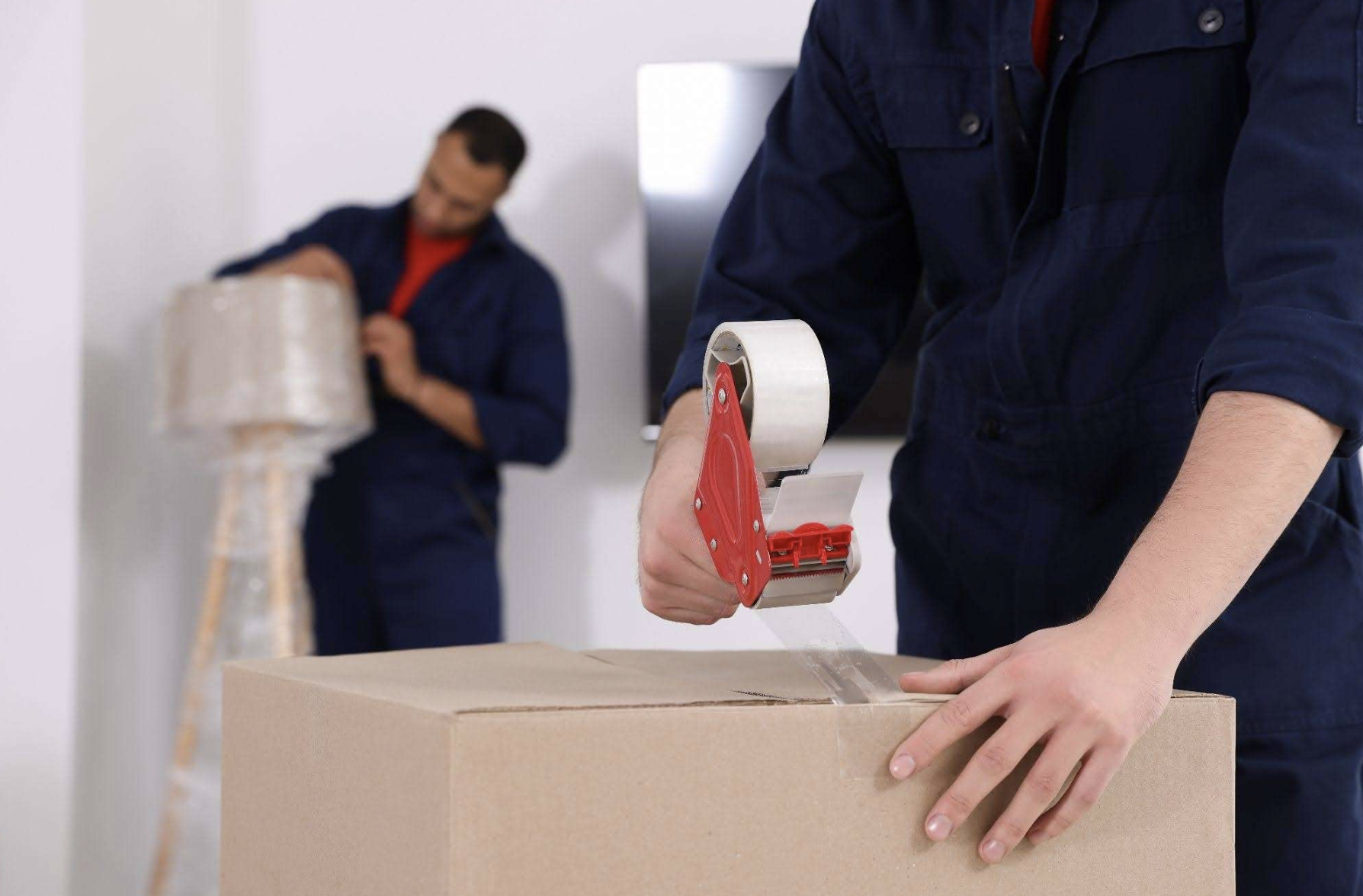

A move can be a happy event and still leave you exhausted. You got the new job, the bigger kitchen, or the quieter street, and yet by the second week of packing you’re short-tempered, sleeping badly, and eating cereal for dinner.
That reaction is normal, and it has little to do with how excited you are. Relocating piles hundreds of small decisions onto a schedule that already felt full. It also breaks the routines that normally keep you steady. The good news is that you don’t need to control everything. If you protect a few daily anchors, trim the number of decisions you face, and hand off the heaviest work, the whole experience gets noticeably lighter.
Why a Happy Change Can Still Wear You Down
Three things drive relocation stress, and they tend to arrive together.
The first is decision load. Every object you own asks a question: keep, donate, pack now, or pack last? Multiply that by a few hundred items and you can see why people feel drained by Wednesday.
The second is a broken routine. Your usual morning, your gym, your grocery store, and your commute all disappear or get squeezed. Routines do quiet work, because they let you skip a hundred small choices a day. Losing them makes everything feel effortful.
The third is physical strain. Lifting, bending, climbing stairs, and cleaning late at night take a toll, especially if your normal week is mostly desk work. Tired bodies make worse decisions and have less patience.
Once you can name these three pressures, the plan gets simpler. You protect your routine, reduce decisions early, and keep the heavy lifting to a minimum.
Protect Your Anchors First
Think of anchors as the handful of habits that keep a normal day normal. They’re the same everyday basics that sit at the center of a healthy lifestyle, and a move is exactly when they slip first. You can’t keep all of them during a move, but you can choose two or three and treat them as fixed.
Sleep Comes Before Packing
It’s tempting to pack until midnight “just to finish the kitchen.” Resist that. A tired person packs slowly, mislabels boxes, and feels every setback more sharply. Set a stopping time each evening and honor it, even if the room isn’t finished. One more hour of sleep usually saves more than one more hour of packing.
Keep Real Meals in the Plan
Takeout is fine for a few nights. Living on snacks for two weeks is a different story. Before you pack the kitchen, decide which pots, plates, and utensils you’ll keep out until the final day. Plan a few simple meals around them. Eating properly sounds minor, but it affects your mood and your energy more than people expect.
Move Your Body on Purpose
Packing is physical, but it isn’t exercise in the way a walk or a workout is. A short walk, a stretch session, or your usual class gives your mind a break from the boxes. New Yorkers have long treated parks as a daily reset, and the sports traditions of Central Park show how even a casual loop can turn into a lasting habit. If your regular routine falls apart, shrink it instead of dropping it. Twenty minutes counts.
Pack in Layers, Not in a Panic
Packing goes better when you think in stages rather than rooms.
Stage one: things you won’t miss. Out-of-season clothes, books, decor, and spare linens can go into boxes weeks ahead. Nobody notices their absence, and you get the satisfaction of visible progress.
Stage two: things you use occasionally. Small appliances, extra dishes, and hobby gear come next. Label them clearly, and be specific. “Kitchen” is vague. “Kitchen: baking sheets, mixing bowls, spare glasses” saves you a search later.
Stage three: daily essentials. Pack these in the last day or two, and make an “open first” box or bag. Toiletries, chargers, medications, a change of clothes, basic tools, a kettle or coffee maker, paper towels, and bed sheets belong here. When you arrive tired, you’ll be glad you don’t have to unpack three boxes to find a toothbrush.
Make Decluttering a Packing Task
Decluttering often gets treated as a separate project, which is why it never happens. Fold it into stage one instead. Every item you decide not to bring is one less item to wrap, carry, load, unload, and find a home for. Keep a donation box by the door and fill it as you go. Be honest with yourself about things you haven’t touched in a year.
A caution about sentimental items: save them for a calmer day, not a late-night purge. Decisions made when you’re worn out are the ones people regret.
The Case for Letting Someone Else Do the Lifting
There is a point where doing it all yourself stops being thrifty and starts being risky. Wardrobes, mattresses, sofas, appliances, and anything that has to go down a narrow staircase are common causes of strained backs and damaged walls. If your move involves several flights of stairs, a building elevator that needs booking, or limited parking, professional help can protect both your body and your deposit.
Help comes in more than one size. You can hire a crew for loading and unloading only, ask for packing on the fragile rooms, or hand over the whole job. Professional moving services in Philadelphia range from labor-only help to full packing and storage, so it pays to compare a few local options before you book.
Whoever you choose, a few checks are worth the time:
- Licensing. Household goods movers working within a state generally need to be registered with that state’s regulator. In Pennsylvania, that’s the Public Utility Commission. For moves between states, look for a U.S. DOT number and confirm the company on the Federal Motor Carrier Safety Administration’s website.
- Written estimate. Ask what the quote includes: labor, travel time, packing materials, stairs, and any long-carry fees. Vague numbers lead to surprises.
- Insurance and valuation coverage. Ask what happens if something breaks, and what the coverage actually pays. Basic coverage often pays less than people assume, so compare it to the value of your belongings.
- Reviews and complaint history. Read a mix of recent reviews, and check the Better Business Bureau profile for patterns rather than single bad days.
- Availability. Late spring through early fall books up fast in many cities, so reserve a date as early as you can.
A good mover is mostly a good planner. If the company can’t clearly explain the process, the timeline, and the price, keep looking.
The Day Itself: Small Habits That Keep It Calm
A calm day starts the night before. Charge your phone, set aside keys, documents, wallets, and medications, and keep them with you rather than on the truck. Pack a small bag with water, snacks, a phone charger, and a change of clothes.
On the day, be available but not hovering. Walk through each room with the crew lead at the start, point out fragile items, and note anything that needs special handling. Then let them work. Standing over people rarely speeds things up, and it adds to your own stress.
Before the crew leaves either address, do a final walkthrough: closets, cabinets, the garage, the attic, and the back of the fridge. Take photos of the empty rooms. If a deposit dispute comes up later, those photos help.
If you’re traveling a long distance, plan the logistics of the day for yourself as well. Pets and children need a quiet place away from the noise, and a trusted friend or family member can make that much easier.
The First Week in the New Place
People often treat the end of the move as the finish line, but the first week matters just as much. Your body and mind are still adjusting, and a tidy home won’t fix that on its own.
Start with the bed. Setting up sleeping space first means you’ll rest properly even if the rest of the apartment is a maze of cartons. Next, set up the kitchen enough to cook a simple meal and the bathroom enough to function.
Rebuild your routine in small pieces. Find the nearest grocery store, pharmacy, and coffee spot. Take a walk around the block at the same time each day, because a repeated route turns an unfamiliar street into a familiar one surprisingly fast. If you exercise, find a park, studio, or gym nearby and go once in the first few days, even if it’s just to look around.
Then unpack in order of use rather than by finishing whole rooms. It’s fine for a few boxes to sit for a month. Nobody grades the speed of unpacking, and the pressure to be done quickly is often what makes people feel worse.
Introduce yourself to a neighbor or two. Even a short chat in the hallway makes a new place feel less anonymous, and neighbors are a useful source of local knowledge about parking rules, trash days, and which corner store stays open late.
Conclusion
A move will take effort whatever you do, but it doesn’t have to take everything out of you. Protect sleep, keep eating real meals, and hold on to a bit of movement each day. Those anchors do more for your mood than any packing hack.
Cut the number of decisions you face by starting early, labeling clearly, and letting go of things you no longer use. When the physical load looks heavy, ask for help before your back asks for it. Compare a few providers, check licensing and insurance, and choose the level of service that fits your budget and your building.
Give yourself some grace during the first week as well. A new place becomes home through small, repeated routines, not through a perfectly unpacked living room. Take it one box and one walk at a time.