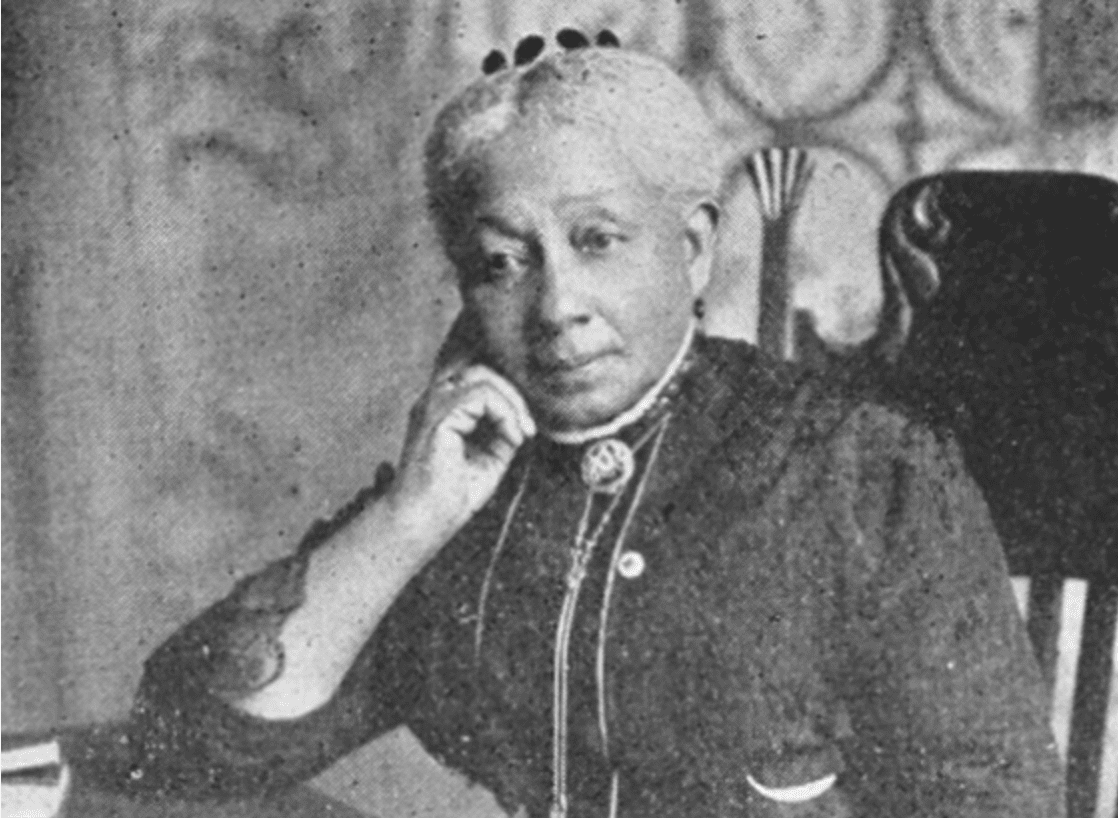

Susan McKinney Steward was a prominent woman who made significant contributions to the fields of medicine and literature in the late 19th and early 20th centuries. Beyond that, she was the first black woman to receive a medical education in New York State and one of the first women to receive a medical degree in America. Learn more at i-new-york.com.
What made Susan’s choice to pursue a medical career?
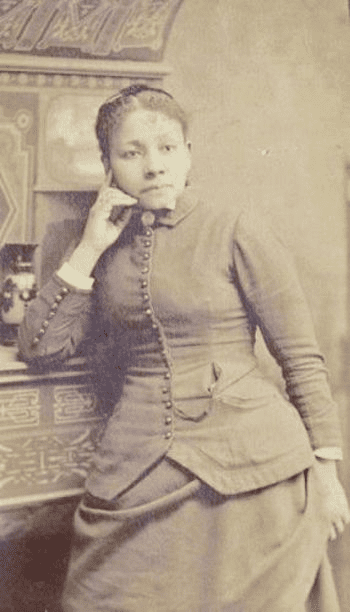
Unfortunately, the exact reason Susan might have chosen medicine is not known. But several factors could have influenced such a choice in the 19th century. In particular, Susan may have chosen to pursue medicine because:
- She had lost two brothers during the Civil War. That might have prompted her to practice medicine to prevent the deaths of others.
- In the latter half of the 19th century, cholera outbreaks occurred. The increase in deaths due to illness may also have encouraged Susan to practice medicine and save lives.
Medicine and public activities in Susan’s life
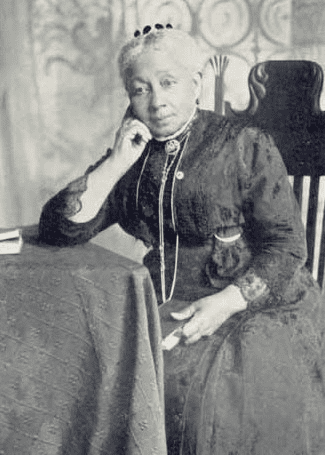
Susan was born and raised in New York City. It was also here that she went to the Medical College for Women and received her doctorate. Susan Smith McKinney Steward was the first black woman in the entire New York area to be able to pursue an advanced degree in medicine. Furthermore, she was one of the very few women with a medical degree in the United States.
When Susan completed her full education, she started actively practicing medicine. In particular, she served low-income families as well as African Americans who lived in Brooklyn.
In addition to practicing medicine, Susan was an activist. She advocated for women’s suffrage and sought solutions to gender discrimination.
Aside from her professional work in medicine and social justice activism, Susan was also a gifted writer and poet. She published several writings, including a novel, which became the first novel written and published by a black woman across New York State. Her writings often touched on themes of racial and gender discrimination, social justice and more. She used her writing talent to defend the rights and dignity of all black people and women.
In the 19th century in the United States, women had virtually no rights. Unlike men, they could not vote, plus they could not get a decent education or a job. The primary responsibilities of women in the 19th century were home and childcare. But many of the fair sex wanted to achieve much more in life. Many faced misunderstanding and discrimination on the part of men. Susan was one of those women. In addition to gender discrimination, she faced racial discrimination throughout her life.
But despite severe challenges, oppression, misunderstanding and discrimination throughout her life, Susan remained true to her work and beliefs. She was one of the first black women who pioneered the field of medicine and literature. Through her work, further generations of black women had access to education and much more. Her activities inspired many women in New York City, leading many to become her followers.
Her work as a woman physician, activist, and writer has continued to inspire people even in the 21st century. She fought fearlessly for her rights and a million other women. The city of New York remembers its native woman as a courageous and visionary leader who made an unforgettable impact on the world.